Tesla Shifts to In-House Mapping for FSD, Aiming to Resolve Persistent Navigation and Safety Concerns
The automaker is developing proprietary maps to address recurring issues with speed limits and routing, marking a departure from its previous reliance on third-party data.
By Noor Haddad ·
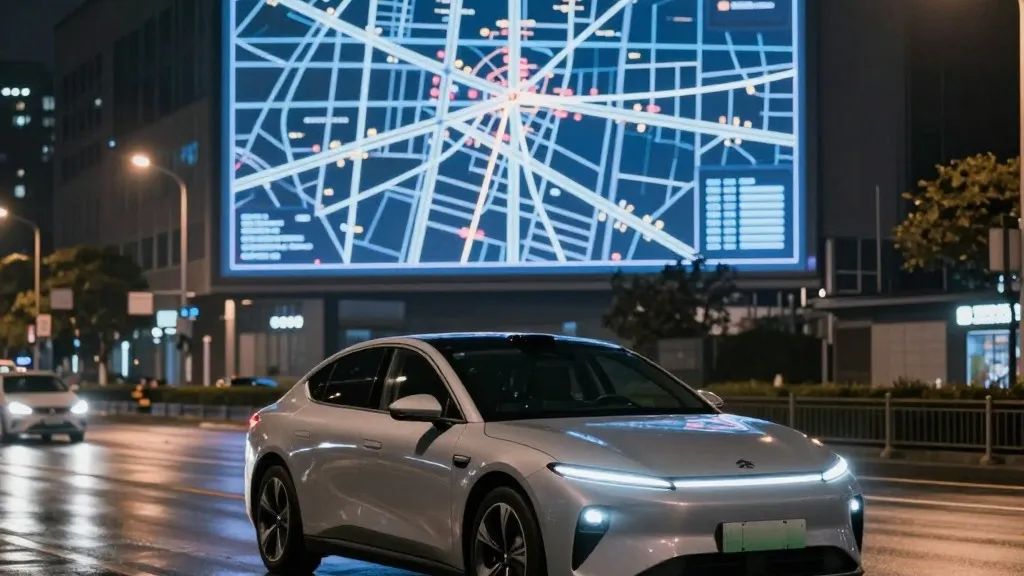
Tesla has announced it is constructing its own proprietary maps to address recurring deficiencies in its Full Self-Driving system, specifically regarding speed limit recognition, parking assistance, and route determination. The initiative was detailed during the company’s third-quarter earnings call by Ashok Elluswamy, Tesla’s Vice President of Artificial Intelligence. Elluswamy stated that the company “shouldn’t be depending on external people’s maps,” confirming that Tesla is developing an artificial intelligence-based mapping and navigation architecture designed to eliminate reliance on third-party providers.
The development represents a significant pivot for the automaker, which has long argued against the necessity of high-definition mapping for autonomous driving. The company’s CEO has previously characterized systems reliant on detailed maps as brittle, asserting that Tesla’s approach relies solely on cameras and AI to navigate any location without pre-existing environmental data. However, during the call, Elluswamy explained that the new system will utilize data collected collectively from the fleet to generate a map layer. This architecture is designed to learn individual driver preferences and respond to voice commands, with capabilities set to expand from the initial handling of trip beginnings and endings in FSD version 15 to full navigation, parking, and destination management over subsequent months.
The company’s history regarding mapping technology has been inconsistent. In 2015, reports indicated that Tesla was producing high-precision maps with a level of granularity far exceeding standard navigation data, utilizing information harvested from customer vehicles. Yet, by 2019, the company had reversed course. During its Autonomy Day presentation, Elon Musk described the use of high-precision lane maps as a “huge mistake” and a “really bad idea,” arguing that such reliance made self-driving systems “extremely brittle.” This stance was part of a broader rejection of lidar technology and detailed mapping in favor of a vision-only strategy.
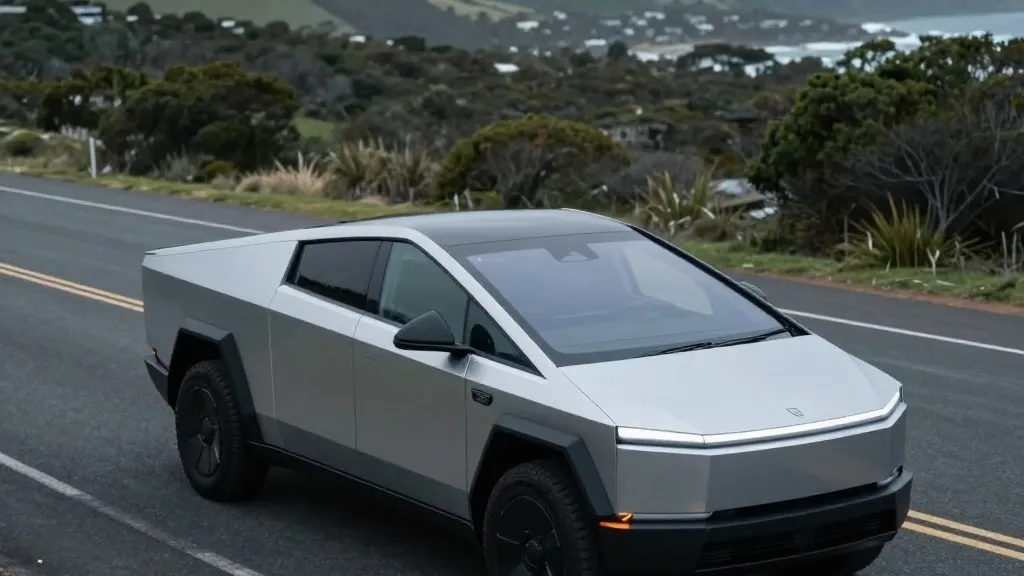
Despite this previous stance, recent incidents have highlighted the limitations of relying exclusively on visual data for environmental awareness. A Belgian road safety group recently reported that in 55 percent of 30 km/h zones tested in Brussels, the vehicle operated at an average speed of 44 km/h, partly due to the system displaying an incorrect 50 km/h limit on the screen. Additionally, the National Highway Traffic Safety Administration (NHTSA) is currently weighing an investigation into claims that Tesla Robotaxis are speeding through active school zones, a matter involving approximately 1,000 Model Y and Cybercab vehicles. These issues suggest that the vehicle’s vision system cannot consistently interpret speed limit signs without additional data support.
The decision to build proprietary maps aligns Tesla’s operational model more closely with that of its competitors, such as Waymo. Waymo maps specific cities using sensor-equipped vehicles prior to launching service and maintains these maps continuously. Tesla is now describing a similar process where its fleet collectively gathers environmental data to assist every vehicle in driving more effectively. While Tesla has not confirmed the creation of centimeter-level high-definition maps, the company continues to operate its Robotaxi service within specific geofenced areas and has indicated that unsupervised Full Self-Driving for consumer vehicles will not be available until the second quarter of 2027.
This timeline and the reliance on mapping data have drawn skepticism regarding the technology’s readiness. A comment from user Beario suggested that the requirement for improved mapping is “another reason why unsupervised FSD will not be going out to consumer cars in Q2 of 2027.” As Tesla prepares to implement this new architecture, the company faces the challenge of reconciling its historical messaging against the practical necessity of map data for safety and navigation.
Source: Electrek