Starlink's dominance over Ukraine's communications network is now a central point of concern
As reliance on the satellite internet system for both civilian and military needs grows, questions are being raised about the sustainability of access amid political disputes over its provision.
By Mykola Bondarenko ·
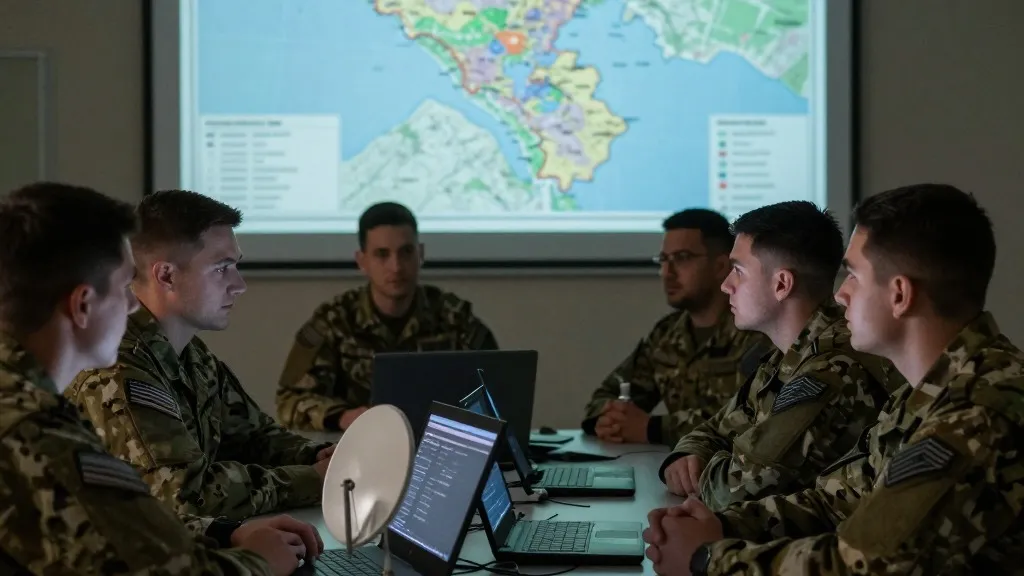
Starlink currently offers some of the best satellite coverage available, with virtually no competitors when you consider the combination of cost, availability, and ease of use. This assessment from the head of hardware R&D at the Ukrainian defense company BlueBird Tech, provided anonymously for security reasons, highlights why the service has become so deeply embedded in the country's operations since Russia's full-scale invasion began. The practical limitation, he noted, is simply the need to position the antenna so it can receive signals from the satellites.
The capability provided by this global satellite internet network has been fundamental to Ukraine's ability to maintain essential communications for both civilian life and military operations. Beyond keeping the country connected, the service has expanded the Ukrainian military's capacity to remotely control or guide drones, which are used in air defense against incoming Russian attacks as well as for striking back at Russian targets.
However, the reliability of this critical infrastructure has come into question. The service has become increasingly unreliable due to Elon Musk's political inclinations, and recent surprise disruptions to service in Ukraine have intensified concerns. This instability has prompted urgent discussions among Ukrainians and across Europe about how to move forward without a steady connection to the satellite network.
The financial and logistical support for the service has been a collaborative effort among Western allies. The US government, along with European nations including Poland and Germany, has paid SpaceX for tens of thousands of commercial terminals to be sent to Ukraine. These governments have also covered the subscription fees associated with the service, underscoring the reliance on external funding to keep the network operational.
In addition to the commercial terminals, the US government has provided Ukraine's military with access to a military-grade version of the service known as Starshield. This more secure system is available for Ukrainian defense companies to test in their technologies in cooperation with the military, according to the BlueBird Tech representative. The provision of Starshield suggests a shift towards more secure, dedicated infrastructure for defense applications.
The combination of growing political uncertainty surrounding the service's availability and recent service outages has placed Ukraine and its European partners in a difficult position. The reliance on a system controlled by a single private entity for such critical functions raises significant questions about continuity and security in an ongoing conflict.
As the conflict continues, the discussion has shifted from the utility of the satellite network to the sustainability of its access. The recent disruptions have made clear that any interruption to this service would have immediate and severe consequences for both Ukraine's defense capabilities and its civilian population's access to information.
The current situation underscores a broader challenge for nations in conflict that depend on commercial technology for essential infrastructure. The reliance on a system whose availability can be affected by political factors introduces a level of uncertainty that Ukraine and its allies are now actively seeking to address.
Source: Ars Technica