NHTSA proposes mandatory cyan lights for driverless vehicles
Federal regulators seek to standardize blue-green lighting for autonomous cars to improve visibility for pedestrians and law enforcement.
By Daniela Vargas ·
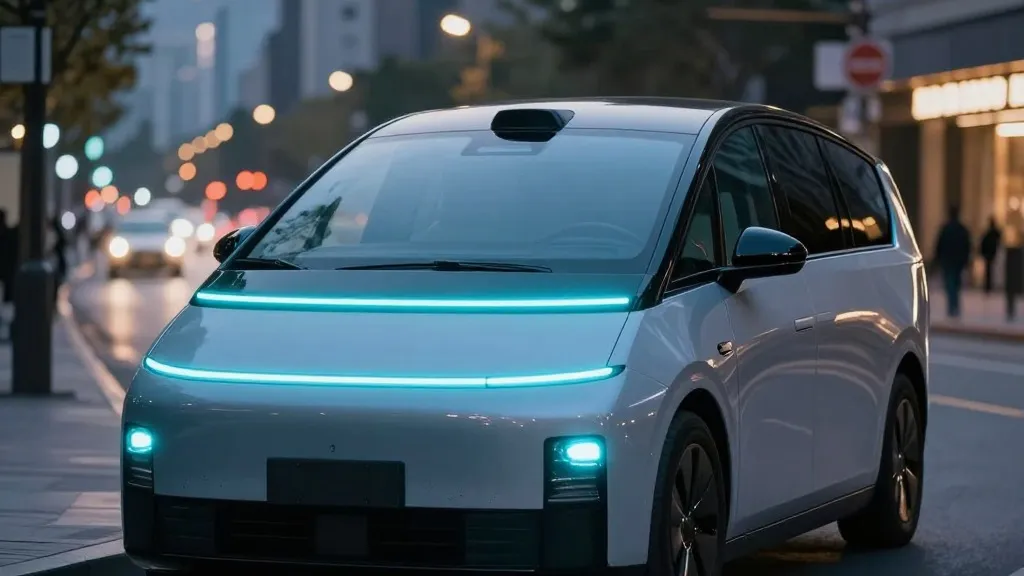
For consumers watching the rise of self-driving technology, a new visual cue may soon become a standard part of the urban landscape. Federal regulators have moved to define how driverless cars should announce their presence on the road, proposing a specific blue-green color scheme to distinguish them from traditional vehicles. This development aims to provide a clear signal to pedestrians and police officers that no human is currently at the wheel.
The National Highway Traffic Safety Administration has released proposed amendments to Federal Motor Vehicle Safety Standard No. 108. The primary objective is to rewrite existing rules to better accommodate autonomous vehicles. By establishing a uniform standard, the agency seeks to reduce regulatory friction for manufacturers while ensuring consistent communication methods for robotaxis.
A central component of the proposal involves the use of cyan-colored marker lamps. Regulators believe this hue fills a visual gap in current automotive lighting conventions. Since red, amber, white, and flashing blue or red lights are already assigned to functions like braking, turning, and emergency services, cyan offers a distinct option that should not confuse other road users. This approach builds on earlier state-level approvals, such as the turquoise lights previously tested by Mercedes-Benz for its Level 3 Drive Pilot system, though the automaker later shifted focus to a Level 2++ configuration.
Under the new framework, the installation of these cyan lights would remain optional for manufacturers. However, if companies like Waymo, Nuro, Zoox, GM, or Mercedes decide to adopt them, they must adhere to federal guidelines regarding color, brightness, and placement. This prevents a fragmented market where different operators use varying signals, ensuring that any vehicle displaying the light follows a consistent and legal setup.
The proposal also targets outdated design requirements that are irrelevant for human-free vehicles. NHTSA suggests removing mandates for physical hazard switches, manual beam shifters, and interior turn levers. Additionally, the agency plans to update the 12.8-volt testing standard to better suit modern LED architectures. It is also considering eliminating rules that dictate the vertical positioning of high-beam and low-beam lights, further streamlining the design process for autonomous hardware.
These changes align with a broader Department of Transportation initiative to simplify the deployment of autonomous vehicles. The goal is to allow automakers to build cars without traditional human controls, such as steering wheels and pedals, without facing excessive administrative hurdles. This regulatory shift supports a vision of fully driverless vehicles that do not need to mimic the interior layouts of conventional cars.
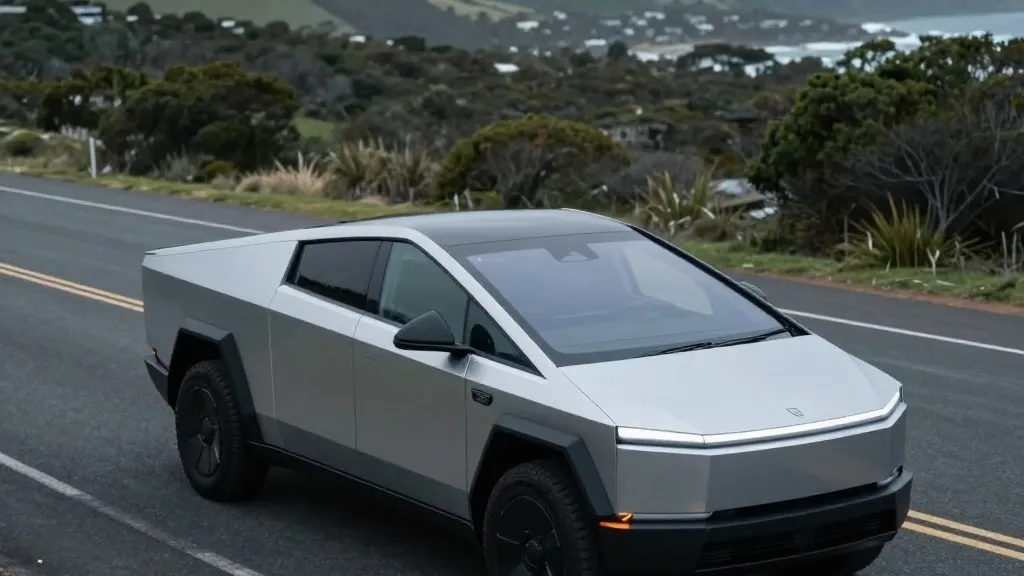
Despite this push for flexibility, regulators are still actively enforcing existing safety standards. Last month, NHTSA initiated an audit of the Tesla Cybercab to review the technical data Tesla used for certification. The inquiry focuses on the vehicle's lack of sideview mirrors, pedals, and a steering wheel, features currently required under the Federal Motor Vehicle Safety Standards. This dual approach signals a transition period where new autonomous designs are being accommodated, but legacy rules remain in force until fully updated.
Source: The Verge