One Life Lost in Paris Suburb Rampage as Officials Cite Racist Terror
A gunman drove through working-class neighborhoods near the capital, firing at public spaces and leaving one person dead and five others injured before police intervened.
By Mei Ling ·
Northern France experienced a violent disruption of daily life on Friday when a single gunman launched an attack that has been officially classified as a racially motivated terrorist act. The incident resulted in the death of one individual and left five others wounded, marking a significant escalation in local security concerns.
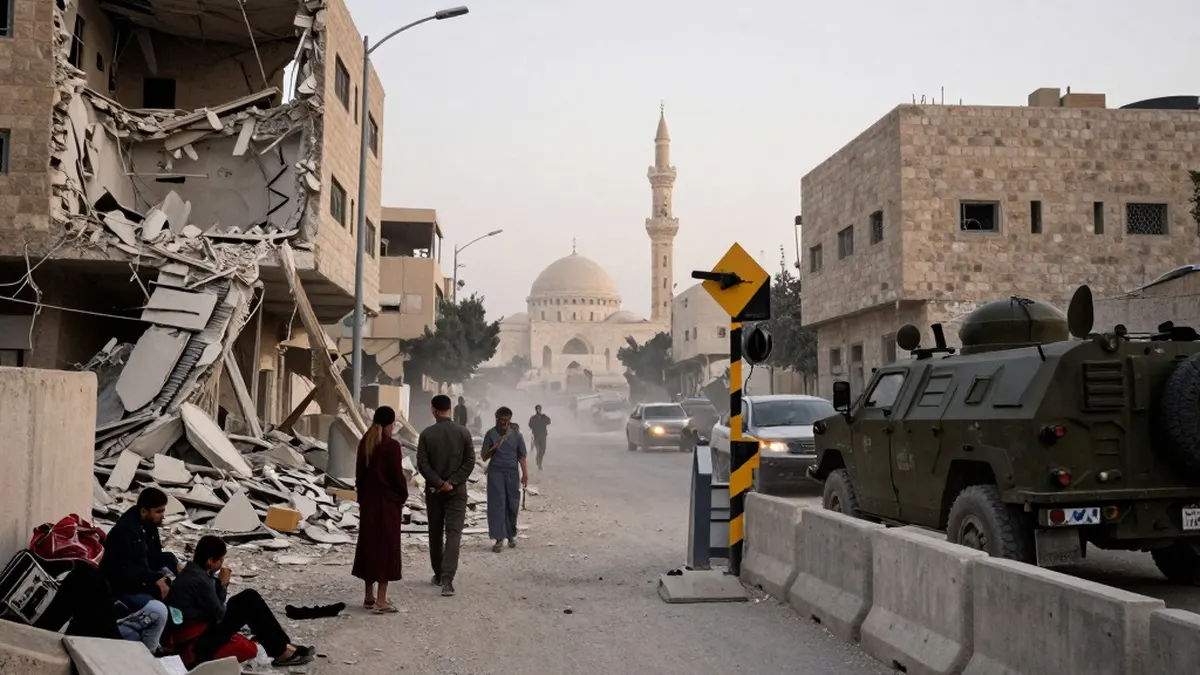
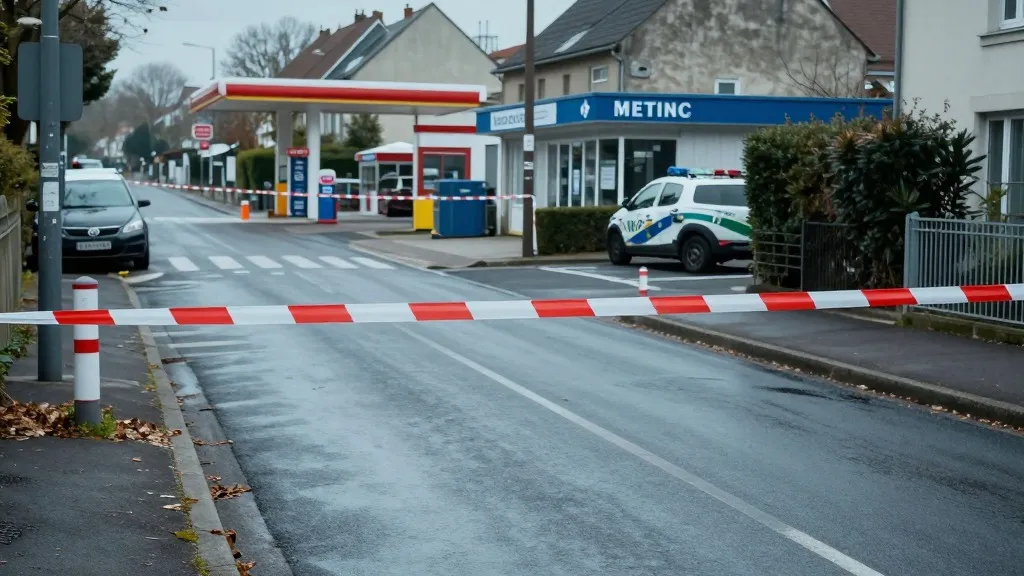
The sequence of events began at approximately 10:30 am local time, or 08:30 GMT, in the communities of Trappes and La Verriere. These areas, located on the outskirts of Paris, are known for their large immigrant and Muslim populations. The attacker operated an automatic weapon, targeting a petrol station, a medical center, and a children's playground. The chaotic drive through the streets lasted for roughly 15 minutes before law enforcement officers managed to apprehend the suspect. He has been identified as a 39-year-old man named Kevin T.
Local political figures quickly sought to define the nature of the violence. Laurent Mazaury, the Member of Parliament for the region, reported that the suspect told officers upon his arrest that his goal was to kill foreigners. Mazaury stated that he believes the perpetrator is a racist. French media outlets reported that the victim who died was a young Black man named Pengo Bassio Wangi. Among the injured was a 12-year-old girl of North African descent, who was wearing a headscarf, as well as another woman also wearing a headscarf. The girl was shot eight times and has been transferred to a children's hospital for surgery. Prosecutors indicated that three of the five injured individuals remain in critical condition.
High-ranking government officials have moved swiftly to frame the narrative. Interior Minister Laurent Nunez confirmed that investigations are ongoing but asserted that the crime was clearly a terrorist act. Prosecutors are currently examining whether the suspect conspired with a specific terrorist group. Additionally, a member of his immediate family circle has been taken into custody. A local police chief revealed that investigators found a World War II era semiautomatic weapon and tear gas grenades in the suspect's vehicle. Prime Minister Sebastien Lecornu described the case as very serious and stated that all available security and judicial resources have been mobilized.
President Emmanuel Macron labeled the incident a turning point for the Republic and the nation. He described it as a racist terrorist attack and reaffirmed France's determination to combat racism in all its forms. Ali Rabeh, the mayor of Trappes who has Moroccan roots, said the gunman fired at random with the intent to cause a bloodbath. Rabeh characterized the attack as objectively racist and probably Islamophobic. He noted that the victims could have easily been his own relatives and suggested that the wounded girl's crime was probably being of color.
The personal impact of the shooting has drawn national attention, particularly regarding the young victim. Her mother spoke to broadcaster RTL, questioning how anyone could do this to a child. She asked whether her daughter was targeted specifically because of her headscarf and emphasized that the girl was born in Trappes and has the right to build her life in France. This sentiment highlights the broader anxieties surrounding identity and belonging in the region.
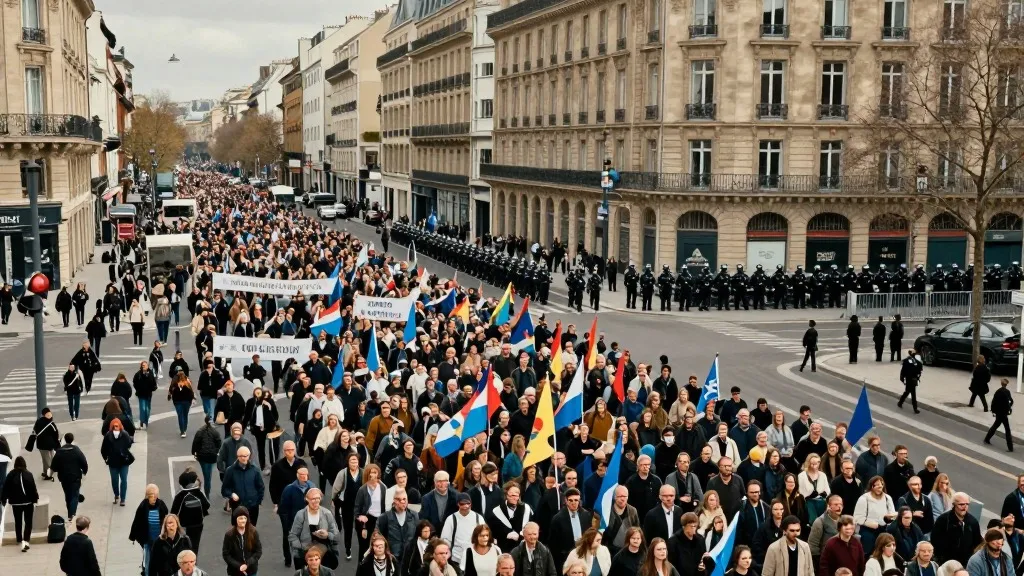
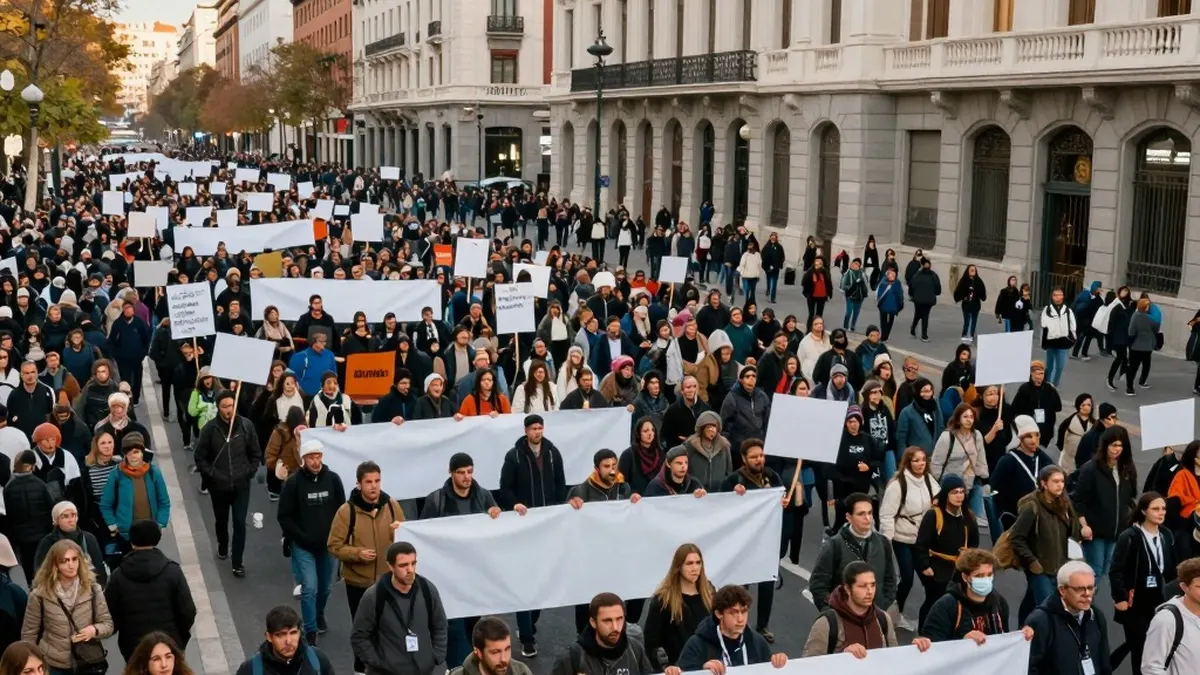
The attack occurs against a backdrop of social tension, with cost-of-living and student protests frequently turning violent across the country. Authorities plan to deploy 70,000 police officers on Saturday to manage further expected demonstrations. Some far-right voices have already blamed Muslim youths for the general unrest, adding another layer of complexity to the political landscape.
Reactions from political and civic groups have been sharp and divided. Marine Le Pen, leader of the far-right National Rally, condemned the shooting as barbaric. However, Muslim groups accused the populist right of fostering hatred through Islamophobic rhetoric. They pointed to Le Pen's campaign proposal to fine women who wear the headscarf in public. Rabeh called politicians who make negative comments about Muslims criminals, while the French Muslim Council blamed promoters of anti-Muslim hate speech for having blood on their hands.
Broader international context suggests that anti-Muslim hostility is on the rise. Last week, the European Parliament passed a resolution by a vote of 381 to 167, with 15 abstentions, calling for an EU strategy against Islamist entryism and the Muslim Brotherhood network. Farid Hafez, a researcher at Georgetown University's Bridge Initiative, called this a major symbolic victory for anti-Muslim forces. Amnesty International reported in June that Islamophobic violence in the United Kingdom had reached emergency levels. The EU's Fundamental Rights Agency states that one in two Muslims in Europe face racial discrimination. In the United States, California's attorney general reported that anti-Muslim hate crimes rose by 54 percent in 2025, increasing from 24 to 38 incidents.
As the investigation deepens, the focus remains on determining the exact motives of the suspect and the extent of any external connections. The next phase will involve the release of further forensic details and the status of the family member taken into custody. Public scrutiny will likely intensify as the country prepares for further protests on Saturday.
Source: Al Jazeera