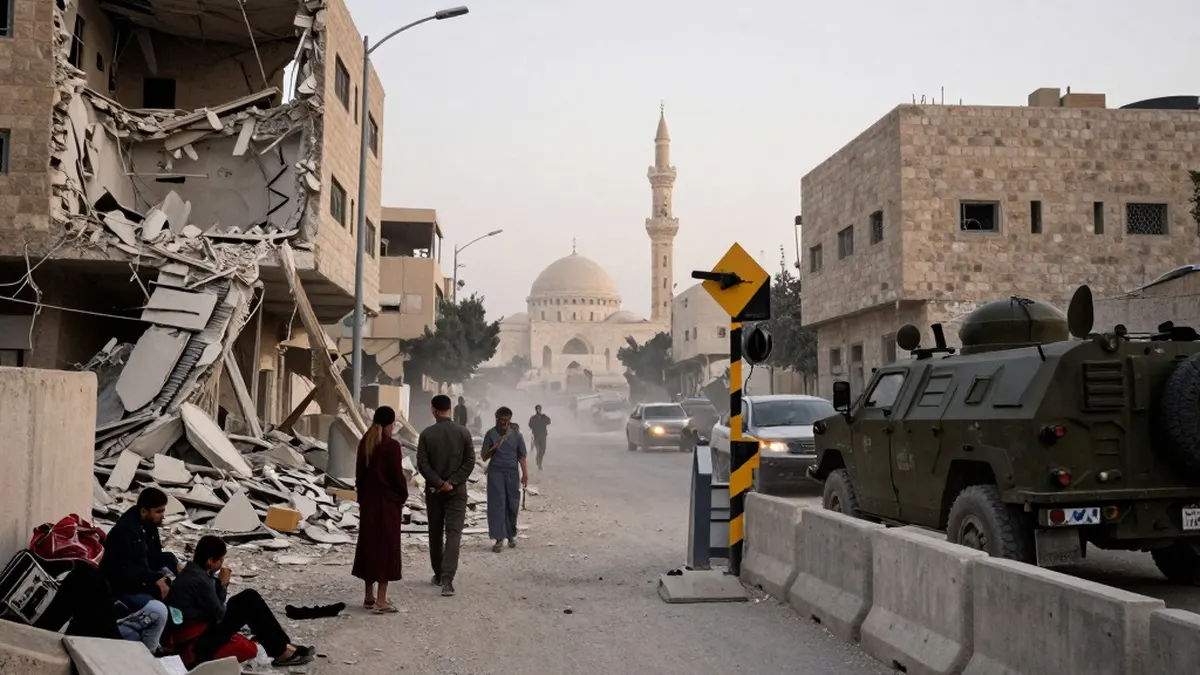
Water costs in Yemen's Taiz rise by 75% as siege deepens
Aid workers warn that the city's water crisis has reached critical levels, forcing residents to stretch supplies for days while prices soar.
By Fatima Zayed ·
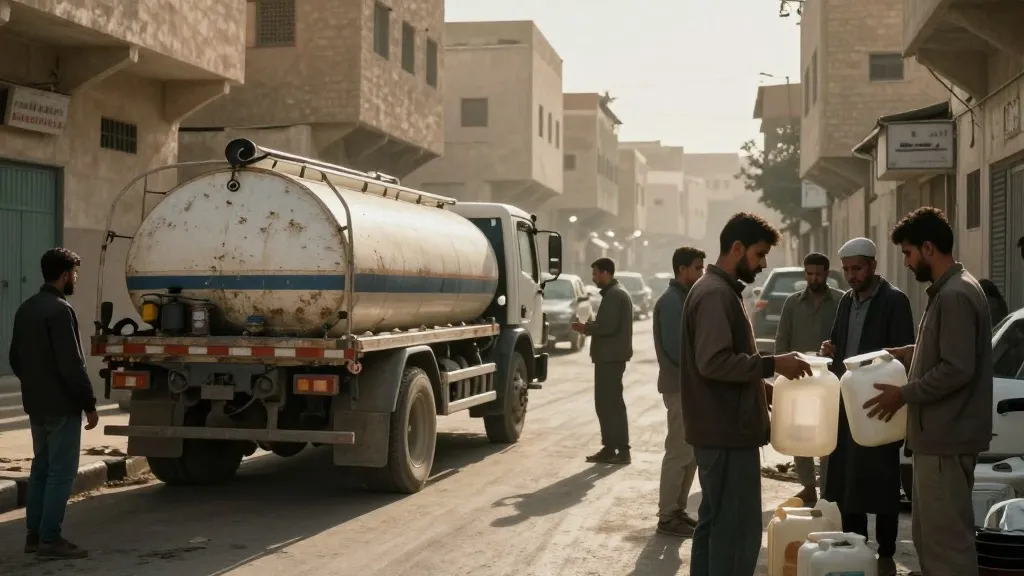
The price of bottled water in Taiz, Yemen, has jumped by up to 75% in just a few weeks, according to local residents. This sharp increase reflects a broader collapse in the city's water supply system, a situation that humanitarian groups say has moved from long-standing scarcity to an acute emergency in recent weeks. The cost hike is one of several indicators that the siege on the country's third-largest city is tightening its grip on daily life.
To understand the current crisis, one must look at the decade of strain on the region's resources. Taiz has struggled with water access for over ten years due to aging infrastructure, population growth, and frequent droughts. These issues depleted groundwater, forcing many residents to rely on water delivered by truck. That method remained largely dependable until the conflict intensified. The city has been a focal point of the civil war that began in 2014, when Houthi rebels took much of the north and forced the recognized government into exile.
The situation shifted dramatically in August as the conflict expanded into the broader Iran war. The Houthis, backed by Iran, captured the port city of Mokha, which lies about 130 kilometers from Taiz and is vital for Red Sea shipping. Following this advance, the rebels moved to surround Taiz. As they secured more land and roads, residents lost access to nearby wells. Outside deliveries became difficult, and truckers who continued the dangerous route tripled their rates in some cases. Simultaneously, fuel shortages caused the local water utility and desalination plants to operate well below capacity.
For families like that of Hadil al-Shahid, the impact is immediate. She and her two young children once used about 10 liters of bottled water daily for drinking and cooking. Now, that same amount lasts them roughly four days. Al-Shahid noted that the family has stopped drinking coffee and tea, habits they previously maintained daily. Many households are now buying water on credit to manage the high costs.
The shortage extends beyond drinking water, affecting food, fuel, and public health. Grocery prices have risen due to shortages, and limited fuel makes it difficult to keep hospitals and sanitation services running. Amnesty International has urged the Houthis to open roads into the city immediately, warning that Taiz is nearing a severe humanitarian disaster. Cooking gas prices have more than quadrupled, leading some families to burn wood, charcoal, or cardboard for heat and cooking.
The strain has also drawn in a significant number of displaced people. Taiz province has absorbed an estimated 124,000 people displaced from other parts of Yemen since August. Jens Laerke, a spokesperson for a UN emergency aid division, stated that some of these families live in makeshift shelters and survive on a single meal a day. He warned that the interconnected shortages increase the risk of disease, including cholera, especially as families rely on unprotected wells.
Residents are adapting to the hardship in various ways. Ahmed Abdel Gaber, who is displaced with nine relatives, said his income from hauling construction material has become unstable. He and his family now rely heavily on assistance and donations for food. Al-Shahid, a hair salon owner, had to close her business as customers prioritized food and water expenses. Her children now eat mostly rice, bread, and cheese.
Military dynamics continue to shape the siege. The government holds the center of Taiz but faces stiff resistance in the surrounding hills. Analysts suggest that controlling Taiz is strategic for the Houthis if they wish to push south toward Aden and Lahj. Ahmed Nagi of the International Crisis Group expects any attempt to seize parts of the city would result in a prolonged and costly battle. Three Houthi officials, speaking anonymously, claimed their group controls about 80% of the surrounding countryside and several neighborhoods within the city, a claim that could not be independently verified.
The danger to civilians remains high. Earlier this week, Houthi missiles struck a residential area, killing two teenage girls. Abdel Gaber hears explosions daily from fighting about 5 kilometers away and says his family will not return to their mountain village for safety. Al-Shahid, who cannot afford to leave, stated that staying in her home is inevitable, whether it becomes a matter of life or death.
Source: NPR