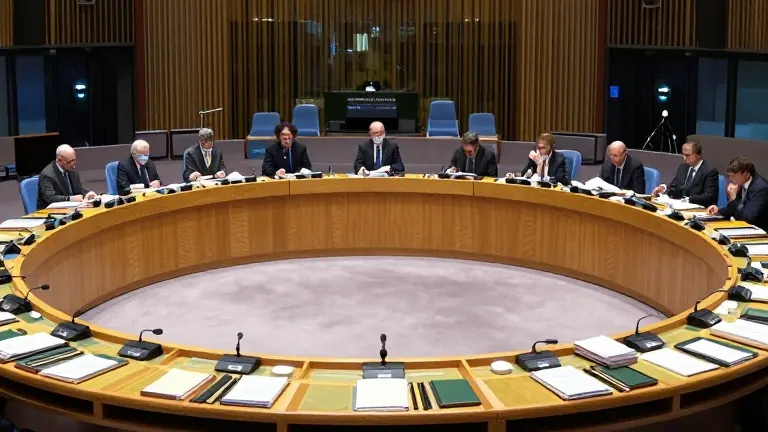
Eisenkot Challenges Netanyahu in Israeli Vote Split by War
Israeli voters head to the polls on Tuesday as Arab parties hold the balance of power in a fragmented race with no clear winner in sight.
By Vanessa Lopez ·
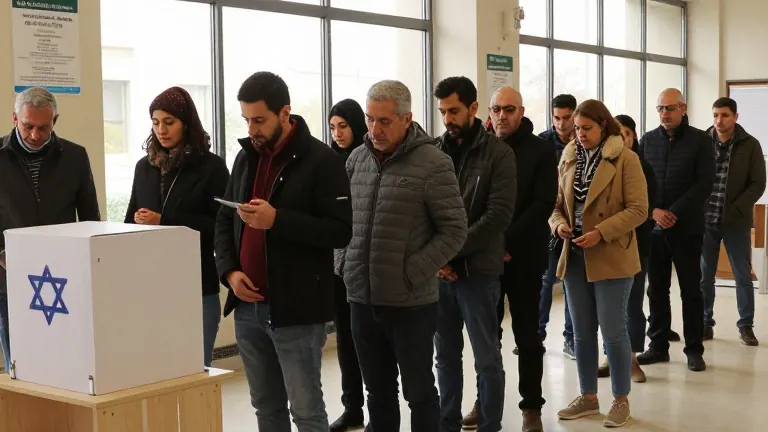
Israelis cast their votes on Tuesday in a national election that has become a referendum on the country's direction after three years of conflict.
Prime Minister Benjamin Netanyahu faces a coalition of parties seeking to remove him from office, with former military chief Gadi Eisenkot emerging as his primary challenger.
The race is closely contested, and because Israel’s parliamentary system rarely yields an outright majority, the outcome may hinge on a series of post-election negotiations rather than a single day's vote count.
Opinion polls indicate a tight race between the two main camps. Netanyahu relies on a bloc of religious and ultranationalist parties, while Eisenkot leads a group of parties dedicated to ousting the current leader.
The election has placed Arab-led parties in a unique position of influence. These non-aligned groups are pushing for high voter turnout, and their support could determine which camp secures the parliamentary majority needed to form a government.
If neither bloc achieves a clear mandate, Israel faces weeks of coalition building before a new prime minister is declared. This dynamic has turned the Arab vote into a critical factor in deciding the country's next leader.
Tensions with Iran loom large over the campaign. Netanyahu intensified threats against Tehran ahead of the vote, appearing in a video this week next to a missile-defense battery.
In that video, Netanyahu warned Iran that it would face “a devastating blow” if it attacked Israel. The election marks the first national vote since the October 7, 2023, Hamas attack, which triggered the war in Gaza and related regional conflicts.
In Tel Aviv, families of victims and former hostages observed a moment of silence before polls opened. Yona Adam, whose daughter Mapal Adam was killed on October 7, urged voters to “Remember all those whose voices are no more.”
The campaign has also highlighted deep divisions over the character of the state. Netanyahu’s supporters view him as a steady hand who has guided Israel through multiple wars and protected its Jewish identity.
They credit him with checking what they see as an interventionist judiciary. His detractors, however, argue that he has extended the war in Gaza and the hostage crisis for political advantage while facing an ongoing corruption trial.
Critics accuse Netanyahu of weakening democratic institutions and allowing ultra-Orthodox religious Jews to avoid compulsory military service. In Kiryat Shmona, a Netanyahu stronghold near the Lebanese border, some emotions ran high as polls opened, with one man kicking and tearing down a poster of Eisenkot.
Source: KSAT-TV