Israel election: exit polls put Yisrael Beytenu at 7 to 8 seats
Projections from three Israeli broadcasters on October 27 show Liberman's party gaining seats over its current standing of six in the 25th Knesset.
By Marina Weber ·

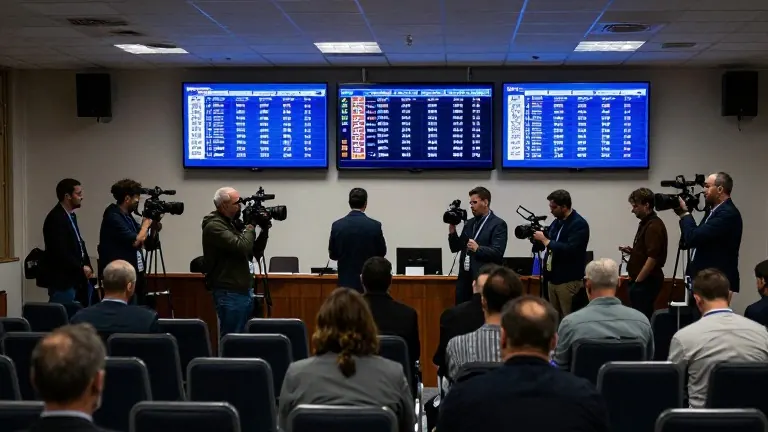
Israeli exit polls released late on October 27 projected Yisrael Beytenu, led by Avigdor Liberman, winning 7 to 8 seats in the next Knesset, a gain over the six seats the party currently holds in the 25th Knesset. The figures matter because coalition negotiations following the official vote count will depend on the final seat distribution.
Channel 12 and KAN each projected 8 seats for Yisrael Beytenu, while Channel 13 projected 7. Since August 2026, polling data for the party has generally ranged between 7 and 10 seats. The party campaigned as part of the opposition to the coalition led by Prime Minister Benjamin Netanyahu.
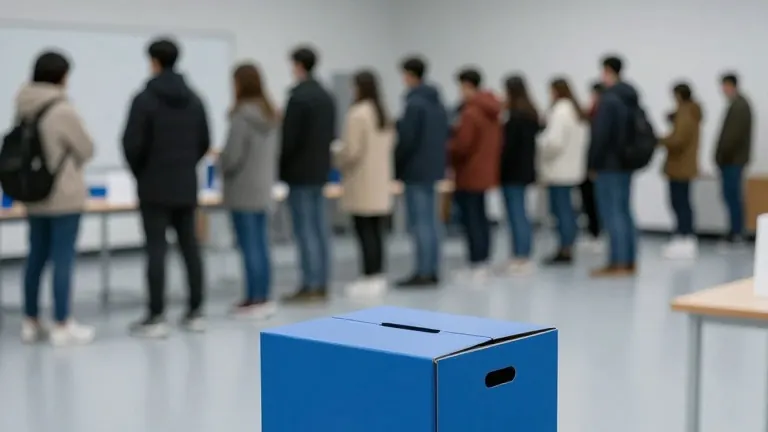
Voting ended at ten in the evening on October 27, following high turnout during the morning and scattered rain showers in the afternoon. The Central Election Committee rejected a request from Likud to extend voting hours. Reports that afternoon indicated strong turnout among Arab voters could increase the seat share for Ra'am and the Joint List, raising the prospect that Yisrael Beytenu might fall short of the 3.25 percent threshold required to enter the Knesset.
Liberman pressed voters throughout the day to keep casting ballots. He wrote on X/Twitter: "Put a note in the box today, and you'll get public transportation on Shabbat starting tomorrow." He also wrote: "Oust the government of the October 7 massacre and the draft dodgers!" His reference to the October 7 massacre concerns the government in office on October 7, 2023, when Hamas attacked.
Liberman founded Yisrael Beytenu in 1999 after working as a Likud activist in the 1990s and serving as Director-General of the Prime Minister's Office during Netanyahu's premiership. He left that role over concerns about concessions to the Palestinians. The party reached 15 seats in 2009, ran with Likud in 2013, and Liberman served as Minister of Defense from 2016 to 2018 before resigning over what he viewed as appeasement of Hamas.
On October 20, former National Security Council head Tzachi Hanegbi, a longtime Likud politician, said he would vote for Liberman. Liberman has rejected relying on Arab parties to form a coalition. Exit polls are preliminary projections, and the final seat count will follow the official vote count.
Source: The Jerusalem Post