California Overhauls Delta Water Rules
Regulators replaced strict pumping limits with a voluntary agreement system, drawing praise from water districts and sharp criticism from environmental and tribal groups.
By Vanessa Lopez ·
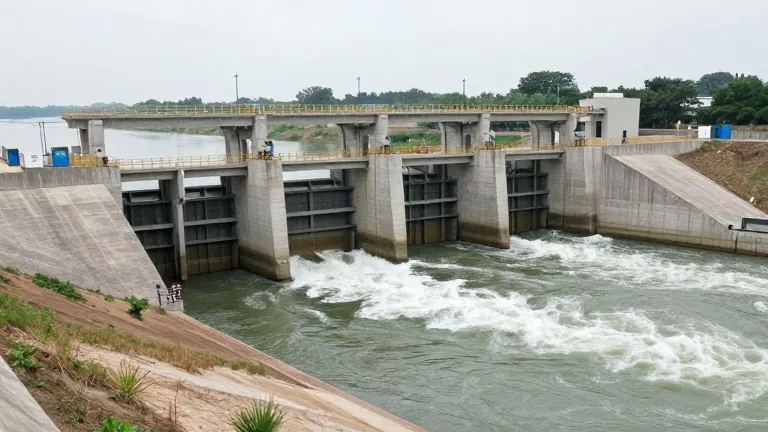
The Sacramento-San Joaquin River Delta serves as the primary water hub for California, supplying nearly 30 million people and 4 million acres of farmland. On Thursday, state regulators approved a new framework that fundamentally alters how water is managed in this critical region.
The State Water Resources Control Board voted 4-1 to adopt the new plan, ending the traditional model that mandated all agencies limit pumping to maintain specific minimum water levels. Instead, the new rules allow water agencies to enter into voluntary agreements. Under these deals, agencies commit to specific river flows for environmental protection and contribute funds to restore fish habitats.
This shift was driven by the Healthy Rivers and Landscapes program, which has already secured $2.9 billion in pledges from local agencies. The funds are allocated to restore approximately 20,000 acres of floodplain habitat and over 5,000 acres of tidal wetlands. Gov. Gavin Newsom and the Metropolitan Water District of Southern California, which serves 19 million residents, supported the move. Nina Hawk of the Metropolitan Water District described the plan as a landmark achievement in collaborative, science-based decision-making.
Critics argued the change abandons strict protections for endangered species, including Chinook salmon, green sturgeon, and Delta smelt. A large majority of the more than 200 people who spoke at the two-day hearing in Sacramento opposed the voluntary agreements. Jon Rosenfield of San Francisco Baykeeper labeled the plan an extinction plan, while Barry Nelson of the Golden State Salmon Assn called it a scam that would worsen the ecosystem.
Tribal leaders also voiced strong objections, accusing the state of negotiating behind closed doors and excluding Native voices. Malissa Tayaba, vice chair of the Shingle Springs Band of Miwok Indians, told the board that it was on the wrong side of history. She argued that the state prioritizes political interests over the livelihood of tribal people who have managed the land for generations.
Federal and agricultural interests have also raised concerns. The U.S. Bureau of Reclamation stated it will not participate unless the plan changes, which puts hundreds of millions in federal funding at risk. Westlands Water District, the largest irrigation authority in the Central Valley, plans to withdraw from the program, arguing it discards key provisions from a 2022 agreement with the state.
The new eight-year plan takes effect next year and requires annual reviews based on scientific data. If a water agency fails to meet its commitments, regulators retain the option to revert to the traditional regulatory framework. Board Chair E. Joaquin Esquivel called the measure a modernized regulatory approach that is long overdue.
Source: Los Angeles Times