Jojo Moyes among Britons facing travel penalties over EU border record errors
Missing departure records in the EU’s digital border system have left some British travellers wrongly recorded as having exhausted their permitted stays.
By Vanessa Lopez ·
Novelist Jojo Moyes has been warned she could face a two-year ban from the EU and a €10,000 (£8,300) fine after a missing departure record led French border guards to accuse her of overstaying. Other British travellers have reported similar problems with the bloc’s digital entry and exit system, known as EES.
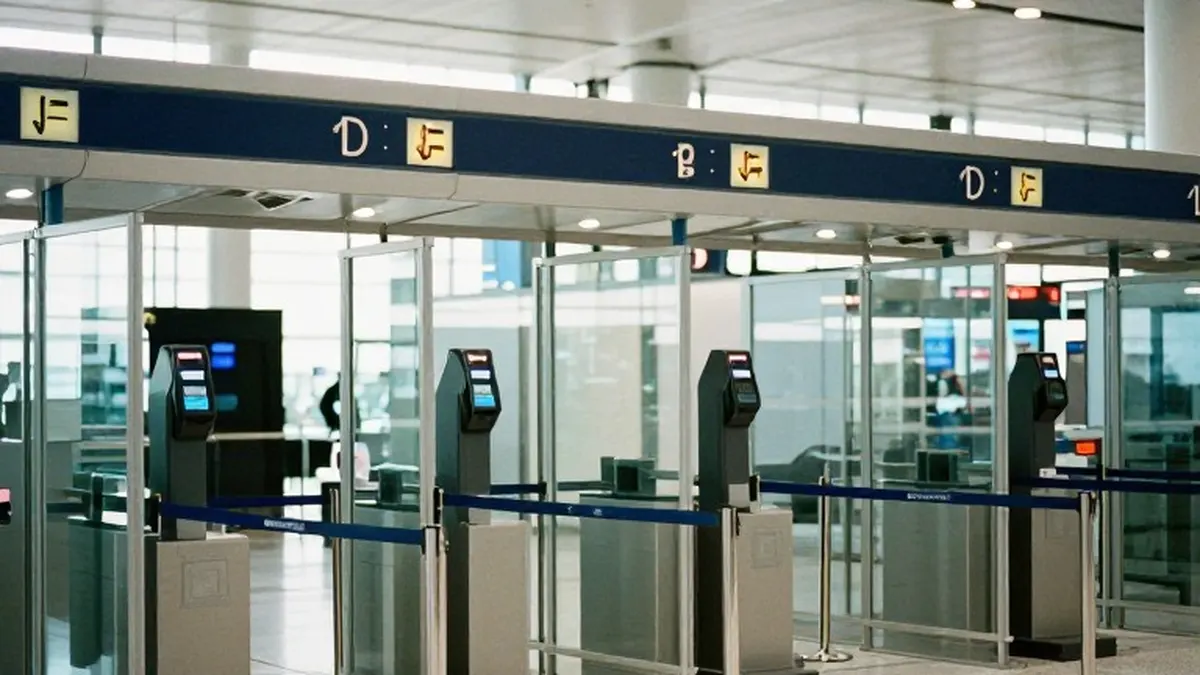
The system began operating last year, replacing passport stamps with biometric records at borders in Schengen countries. Errors have left some Britons incorrectly shown as having used their post-Brexit allowance of 90 days within a rolling 180-day period. Travellers recorded as exceeding that limit can face deportation or fines of up to €10,000.
Moyes was detained after a holiday despite having spent just 23 days in the EU over six months. She found that her departure from Portugal following a May visit had never been registered. Speaking to consumer organisation Which?, she said a senior border officer in Marseille had warned her against returning to Europe before the error was resolved because she could face a fine and ban.
Technical faults and staffing shortages prompted some countries to suspend EES during the summer and use manual passport checks. Problems have arisen when travellers supplied biometric information on arrival but their departures were not recorded. On Monday, it emerged that the EU was suing three companies over failures in the system.
Jane Nolan and her husband encountered an apparent error when planning another French holiday. They had travelled to France through LeShuttle in April, stayed for 40 days and made no later Schengen visits. Although they expected to have 50 days available, the EU’s online checking tool showed none. Their passports had been stamped manually when they returned to Britain in June because French authorities had suspended EES to reduce queues. They have asked France to investigate their records.
The Telegraph separately reported that a British holidaymaker was detained at the Italian border and deported with a police escort after a system error indicated an overstay. Which? Travel editor Rory Boland criticised the failures and the consequences for people who had followed the rules. Julia Lo Bue-Said, chief executive of the Advantage Travel Partnership, which represents independent travel agents, called for greater accountability and a simple way to correct inaccurate information.
The Foreign Office said it was concerned about reports of incorrect EES entries affecting British nationals, including missing information and records created for people exempt from the system. It said it was raising those issues with the European Commission and advised travellers to carry proof of their most recent EU departure and flag discrepancies with border officials.
Travellers can enter their passport number on the EES website to check their remaining allowance against recorded Schengen visits since 10 April 2026. Those finding an unexpected shortfall can seek a correction before travelling by choosing their last destination country on the Travel to Europe data protection page and contacting its relevant data controller.
Moyes said two weeks of attempts to resolve her case had proved unsuccessful and she had hired an immigration lawyer. She remained unsure how long the system claimed she had stayed or whether she could travel safely. The European Commission has been approached for comment.