Trump signals defiance on tariffs, Iran, and immigration after midterm losses
Following a significant electoral defeat for Republicans, President Trump has indicated he will maintain his core policies on trade, the war with Iran, and immigration, despite public criticism.
By Marina Weber ·
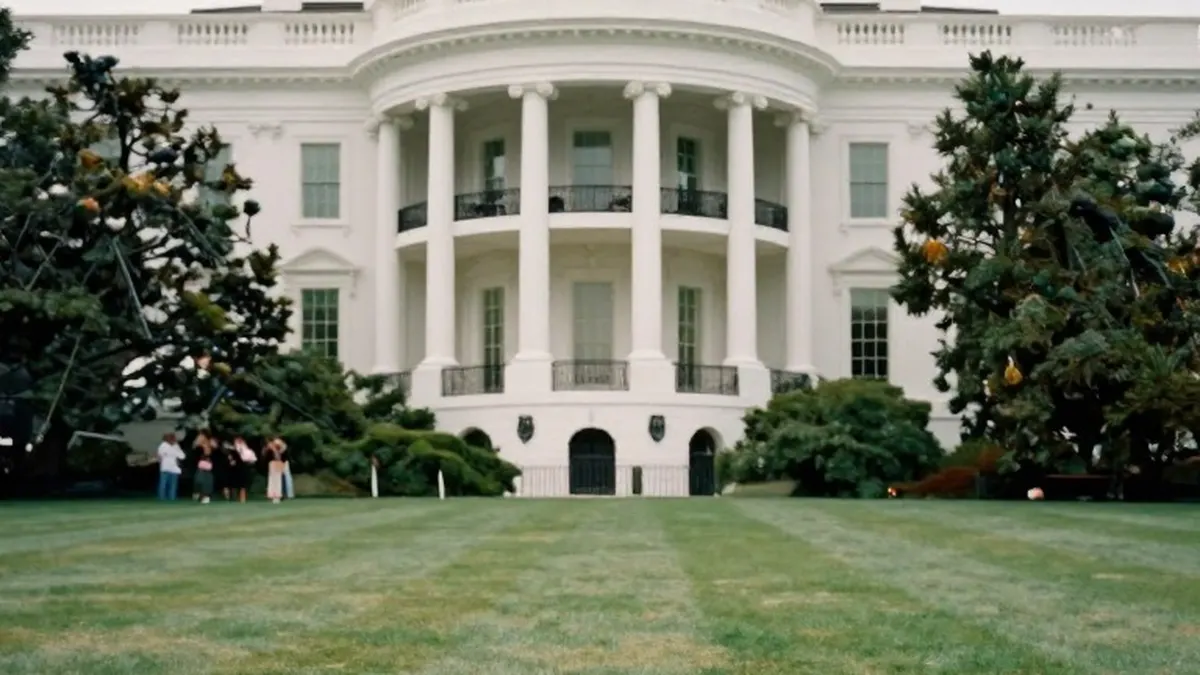
In the wake of a devastating midterm election loss for the Republican Party, U.S. President Donald Trump has signaled a defiant stance on his three primary initiatives: tariffs, the ongoing conflict with Iran, and immigration enforcement. The recent election results marked the largest decline in Republican House vote share since the Watergate era of the early 1970s, prompting questions about whether the administration would pivot its strategy. However, in an unscheduled White House briefing on Monday, Trump largely downplayed the issues that drove voters away, declaring the war in Iran effectively over and asserting that the nation is performing better than ever before.
A key indicator of the administration's future direction is the appointment of Stephen Miller as the new White House chief of staff. Miller, known for his hard-line approach to immigration and his role in expanding the use of executive orders, is widely seen as a signal that Trump intends to intensify enforcement rather than relax it. This move contrasts with Trump's recent comments in a 60 Minutes interview, where he suggested the administration might have been too aggressive with deportation policies. When asked during the Monday briefing if he had instructed Miller to change course, Trump stated that his policy had not changed and that the deportation strategy remained strong.
On the issue of tariffs, which contributed significantly to price increases and voter dissatisfaction, analysts suggest a full retreat is unlikely. Instead, there may be room for strategic adjustments. Barbara Weisel, an international trade policy adviser, noted that the scale of the Democratic victory could prompt the team to refine its approach without abandoning tariffs entirely. Drew Fagan, a professor at the University of Toronto, argued that the president appears to be in denial regarding how voters perceived the economic impact of these trade measures. A potential sign of a shift would be the departure of key advocates like Commerce Secretary Howard Lutnick or U.S. Trade Representative Jamieson Greer.
Regarding the war with Iran, administration officials have acknowledged that rising gas prices hurt the Republican ticket. While Trump has repeatedly stated that the conflict would end soon, the path to resolution remains unclear. William F. Wechsler, a former Pentagon official, warned that a diplomatic peace deal could reinforce the perception that the war was a disaster for both national security and the party's electoral prospects. Consequently, Trump might conclude that the only viable exit is a military victory, potentially leading to a resumption of major combat operations in the coming months.
Experts remain skeptical about significant policy softening, particularly in immigration. Sarah Binder, a political science professor at George Washington University, expressed doubt that Trump would alter his approach with Miller now in charge. Yemisi Egbewole, a former Biden press office chief of staff, highlighted the duality of the president's actions versus his words, noting that Miller’s appointment undermines claims of willingness to compromise with Democrats. Trump’s capacity for deal-making on immigration and other major policies is expected to diminish if the new Democratic-led Congress proceeds with investigations into alleged corruption involving the president’s family and inner circle.