US cancels G20 group photo after European diplomats object to Lavrov
The traditional opening image was scrapped at the last minute in Atlanta, exposing deep tensions within the Group of 20.
By Marina Weber ·
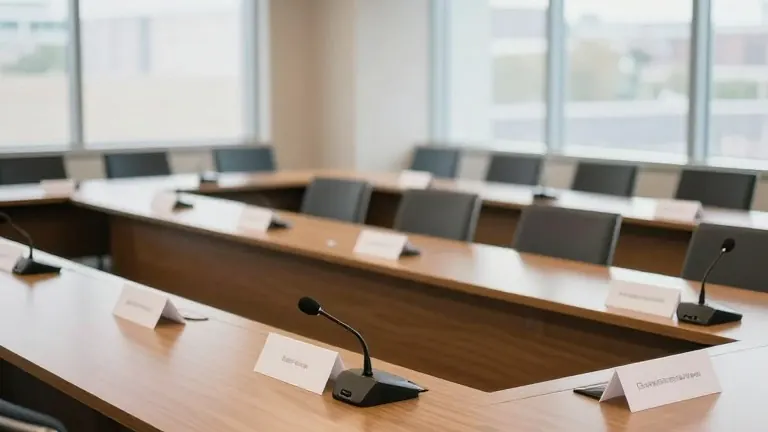
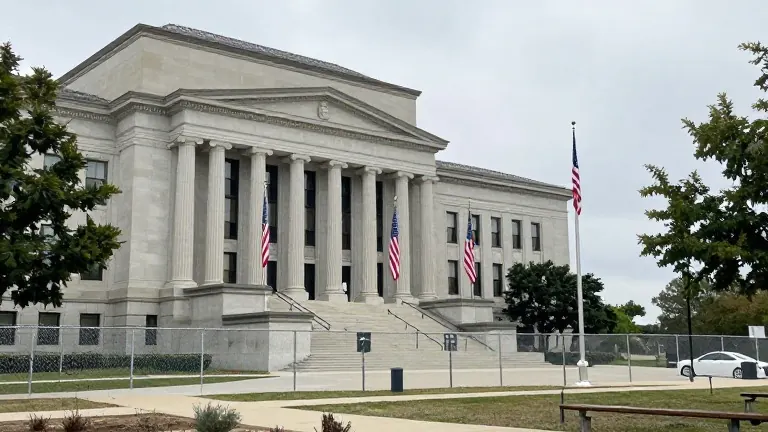
Diplomats from the 20 largest world economies gathered in Atlanta on Friday without the customary group photograph to open their talks. U.S. Secretary of State Marco Rubio ordered the cancellation after several European officials objected to posing alongside Russian Foreign Minister Sergey Lavrov. The move removed a standard diplomatic ritual and signaled immediate friction among the delegates.
Two anonymous U.S. officials said Rubio decided to drop the photo to prevent the controversy from distracting from the agenda. The meeting continues as planned and sets the stage for a leaders' summit hosted by President Donald Trump in Miami in December. The absence of the image highlights the difficulty of presenting a united front.
European leaders voiced strong reservations about Lavrov's presence. Polish Foreign Minister Radosław Sikorski told reporters in Atlanta that he was not the only one who did not want to be photographed with the Russian minister. He called the cancellation the right decision. German Foreign Minister Johann Wadephul told the dpa news agency that there is no normality with Russia, though the nations must exchange controversies at the table.
Russia's foreign ministry said visa issues for its delegation were resolved only at the last minute. Spokeswoman Maria Zakharova stated that these complications created the impression that not everyone in Washington was happy about Lavrov attending. She said he would use the meeting to advocate for swift reform of global economic institutions.
South Africa, a founding G20 member, was not invited to the event. Phindile Kunene, spokesperson for South African Foreign Minister Ronald Lamola, said the country maintained its nonparticipation was not voluntary. Kunene said South Africa was ready to participate on an equal footing when Britain takes over the presidency next year. Ukraine, which is not a G20 member, was also excluded this year.
The talks focus on freedom of navigation in key waterways, including the Strait of Hormuz and the South China Sea. U.S. officials told several Middle East countries to prepare for potential renewed military strikes against Iran after the midterm elections. Elaine Dezenski of the Foundation for Defense of Democracies described the event as a test of whether the U.S. can build cooperation when consensus is out of reach.
Source: The San Diego Union-Tribune