UNICEF warns of imminent flooding and disease in Gaza after repair plan rejected
UNICEF warns that a rejected plan to repair a contaminated water basin in Gaza could lead to severe flooding and disease outbreaks as winter rains approach.
By Amir Navarro ·
The United Nations Children's Fund issued a stern warning on November 10, 2026, stating that Israel has rejected the import of essential equipment required to repair a critical water basin in Gaza. The agency cautioned that without these repairs, the facility poses a significant risk of overflowing, which could endanger nearby residents through both flooding and the spread of disease.
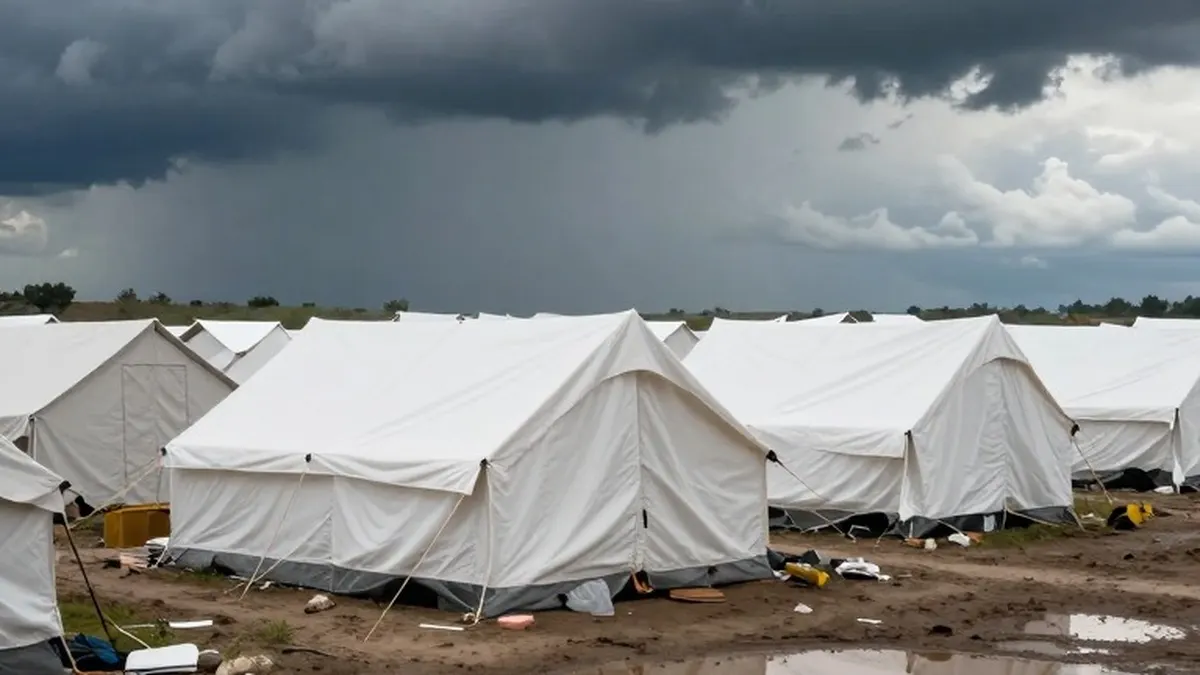
Local authorities report that Israel destroyed a substantial portion of the territory's water infrastructure and the vehicles used for pumping water during its recent war against Hamas. That conflict displaced the majority of Gaza's more than two million residents and left much of the strip in ruins. Currently, most of the population is living in tent camps while awaiting a more permanent solution.
James Elder, a representative for UNICEF, identified the Sheikh Radwan stormwater basin in Gaza City as a primary concern. He explained that the facility is currently contaminated with sewage and is at high risk of overflowing following periods of heavy rainfall. This specific infrastructure is crucial for managing stormwater in one of the most densely populated areas of the enclave.
Elder told reporters in Geneva that the agency had spent the past year collaborating with Israeli authorities and the Board of Peace, led by US President Donald Trump, to develop a plan for the rehabilitation. The proposed project had an estimated cost of three million dollars. However, he revealed that COGAT, the Israeli military agency responsible for overseeing humanitarian affairs in the region, rejected the project in the past few days.
The rejection has left UNICEF officials confused about the decision-making process. Elder stated that toxic sewage could soon flow into the streets and tents of Gaza City. He warned that this would force children and families out of their makeshift homes again and significantly increase the threat of disease. He expressed hope that the rehabilitation could be completed before the facility became another preventable cause of death for the children in the territory.
According to Elder, COGAT cited security grounds for its refusal to allow the equipment into the strip. This reasoning appears to reference strict Israeli regulations that govern the entry of items capable of being used for both civilian and military purposes by Hamas. COGAT did not immediately respond to requests for comment regarding the specific details of the security concerns.
The urgency of the situation has been underscored by recent weather events. Heavy rain this week has already flooded tens of thousands of tents housing displaced Palestinians who are crammed into encampments across the Gaza Strip. The conditions highlight the vulnerability of the population as they face the onset of the rainy winter season.
The risks associated with the current infrastructure were tragically illustrated by a recent incident in which a sand embankment collapsed on several tents. Four people, including three small children, were killed in the disaster. This event serves as a stark reminder of the dangers that the local population faces during the wet season.
The failure to repair the basin occurs against a backdrop of stalled diplomatic efforts. A ceasefire brokered by the United States last year called for the eventual reconstruction of Gaza. However, progress has been limited because negotiators have been unable to agree on the terms for Hamas to disarm or for Israel to withdraw its troops from the territory.
Christian Lindmeier, the spokesperson for the World Health Organization, also spoke at the same briefing in Geneva. He noted that there are significant risks of communicable diseases in Gaza due to the combination of flooding, poor sanitation, and insufficient health and water services. Lindmeier stated that nearly one million displaced people across the strip now face a medium or high risk of flood-related issues.