Truce Ends in Kherson
As the brief pause in fighting concludes, residents brace for renewed shelling while a local theater continues its weekend performances.
By Amir Navarro ·
The quiet in Kherson’s streets felt fragile on Sunday evening. The localized ceasefire that paused the fighting in this southeastern front-line region is set to expire, returning civilians to the daily threat of aerial strikes and artillery fire. This truce marked the most substantial pause in hostilities since Russia’s full-scale invasion began nearly five years ago.
The White House credited U.S. First Lady Melania Trump with helping broker the agreement. The pause in combat began early Tuesday and was scheduled to end on Sunday night. Its primary humanitarian success was the evacuation of Oleshky, a besieged city on the Russian-occupied bank of the Dnipro River. A joint operation concluded on Saturday, allowing residents to leave a zone where movement had been dangerous for months.
Melania Trump noted on social media that the ceasefire provided residents with freedom of movement and access to food, water, and medicine. She described the pause as a renewal of dignity for those living under constant attack. Before the truce took hold, an estimated 2,000 civilians remained in Oleshky. They faced a choice: evacuate to Ukrainian or Russian-controlled territory, or stay in the city with resupplied food and medical stocks. Authorities did not release final figures on who chose to remain.
On Saturday at the Ukrainian border, family members lined the highway to welcome the humanitarian convoy. Residents from nearby villages waved flags and flashlights to greet the returning relatives. Despite this localized respite, the wider war did not stop. Ukrainian President Volodymyr Zelenskyy reported that Russian forces continued to target energy systems across the country as winter approaches.
Zelenskyy stated that hundreds of thousands of families lost power overnight as Moscow exploited Ukraine’s shortage of air defenses. He described the intensity of the strikes as extremely high, with Russian forces aiming to maximize the impact of Ukraine’s limited ballistic missile interceptors. In the Vinnytsia region, a drone struck the grounds of a vocational school, killing three people, including a 13-year-old girl. Four others were wounded, among them two 5-year-old girls and a 16-year-old boy.
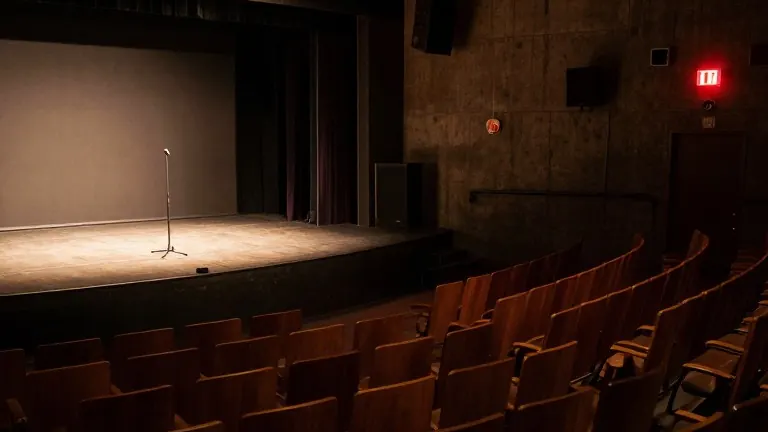
In Kherson itself, the atmosphere remained calm but watchful. Oleksandr Knyha, head of the Mykola Kulish Regional Academic Music and Drama Theater, told his audience to hold on despite the ending truce. The theater has performed every weekend for four years without cancellation. The company now stages shows in a basement while equipping an additional bomb shelter. About 100 of the theater’s 120 staff members remain in Kherson, and none have evacuated.
Costume maker Alla Vasylenko, 58, said the silence of the truce still frightens her. She believes the situation will revert to pre-ceasefire conditions once the pause ends. Vasylenko has no plans to leave, citing her 10 dogs and the cost of travel, which ranges from 30,000 to 50,000 hryvnias, or $650 to $1,080. Knyha, who is from the occupied city of Oleshky, stays in Kherson because he has not given up hope of returning home. On Sunday, the theater staged a concert featuring songs from the Crimean Peninsula to the Carpathian mountains, aiming to unite the audience and offer hope.
Ukrainian air forces reported that Russian forces launched 433 drones overnight, with 371 destroyed or suppressed. Russian drone attacks also targeted the Kyiv region for a second day in a row, wounding a woman and damaging homes and energy infrastructure. In Russia’s Nizhny Novgorod region, local authorities said more than 100 Ukrainian drones were shot down. Governor Gleb Nikitin reported that an industrial building in Kstovo sustained significant damage. Russian media later indicated the strike sparked a fire at the Kstovo oil refinery, leading local officials to place limits on gasoline sales.