Senegalese Parliament Blocks Revised Budget, Stalling IMF Deal
The opposition-led legislature voted 109 to 20 to reject the fiscal plan, leaving a $2.2 billion bailout program uncertain as debt costs rise.
By Marina Weber ·
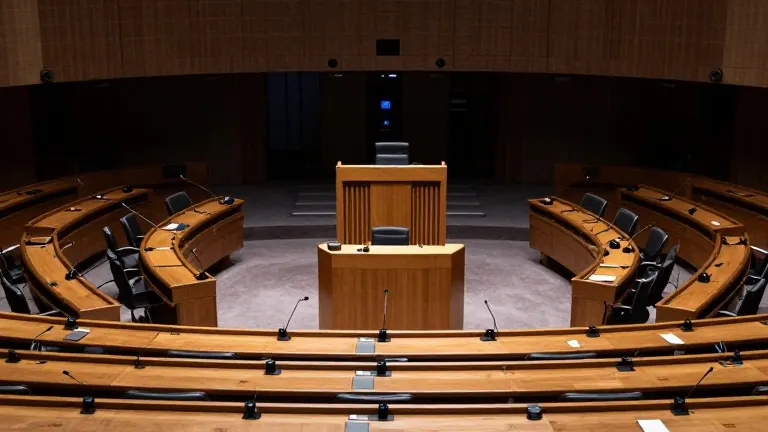
Senegal’s National Assembly rejected the country’s revised 2026 budget on Tuesday, creating an immediate obstacle for a major financial rescue package. The vote, which passed 109 to 20 with three abstentions, was cast by a legislature controlled by the opposition party Pastef. This rejection leaves the terms of a $2.2 billion loan from the International Monetary Fund in a state of uncertainty.
The contested legislation was designed to address worsening public finances. A parliamentary document shared with reporters indicated that the plan accounted for several economic pressures. These included a sharp increase in hydrocarbon prices driven by tensions in the Middle East, a drop in expected tax revenue following a government recovery plan, and higher costs for servicing national debt.
Pastef, led by former presidential candidate Ousmane Sonko, had signaled its opposition to the bill for months. The party holds a strong majority in the National Assembly. Sonko, who is currently speaker of the house and engaged in a political dispute with President Bassirou Diomaye Faye, has long criticized the government's fiscal approach. The party’s finance committee had already rejected the budget twice before the full assembly vote.
The IMF announced in September that it had reached an agreement with Senegal for the debt program. However, the fund has not yet secured final approval from its executive board. The deal remains conditional on specific reforms and fiscal measures being implemented by the government.
El Malick Ndiaye, the presiding lawmaker, announced the outcome following a morning debate. He stated, "we consider the bill rejected." Finance Minister Cheikh Diba was present in the chamber during the session, which began at 10:00 am local time. The parliament had previously sent the bill back to committee just one week prior, indicating a prolonged period of negotiation and friction between the executive and legislative branches.
The Ministry of the Economy responded to the vote with a statement released on Saturday. Officials noted that the rejection occurs during a period of limited financial flexibility. They cited difficulties in accessing global financial markets and ongoing negotiations with the IMF as key challenges. The ministry emphasized the tight constraints facing the government as it attempts to stabilize the national economy.
Source: France 24