Israel’s opposition targets Knesset speaker post in effort to replace Netanyahu
Opposition parties have enough seats to choose a new parliamentary speaker, but divisions over cooperation with Palestinian-led parties are complicating efforts to form a government.
By Marina Weber ·
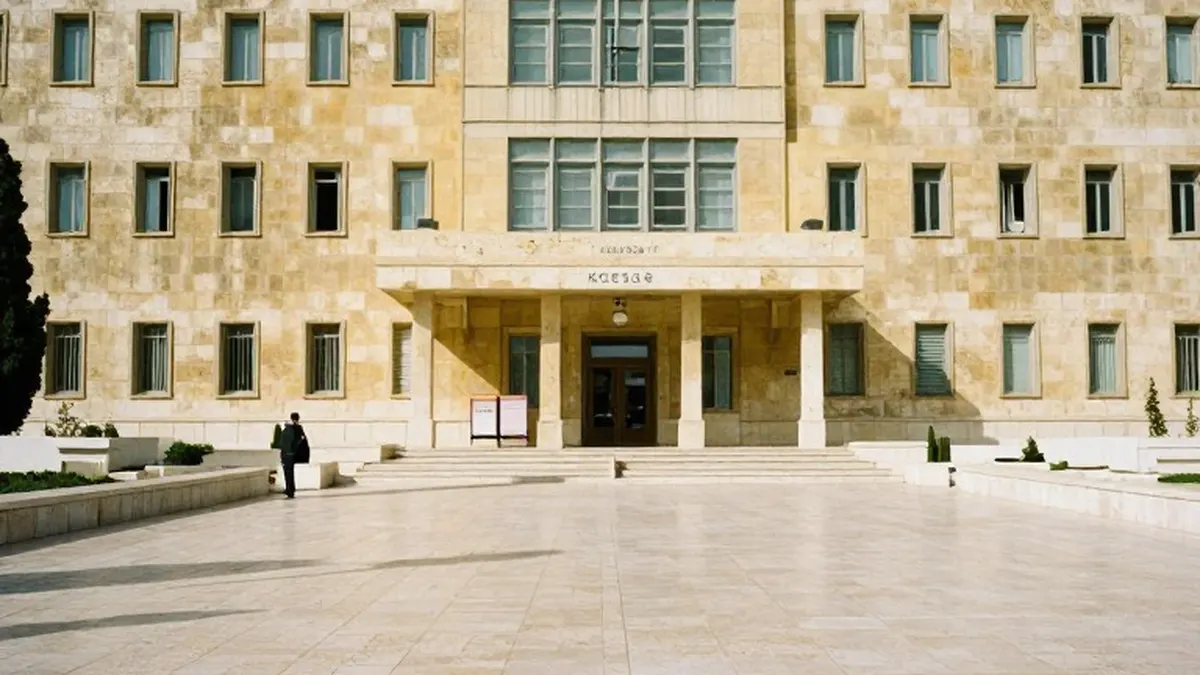
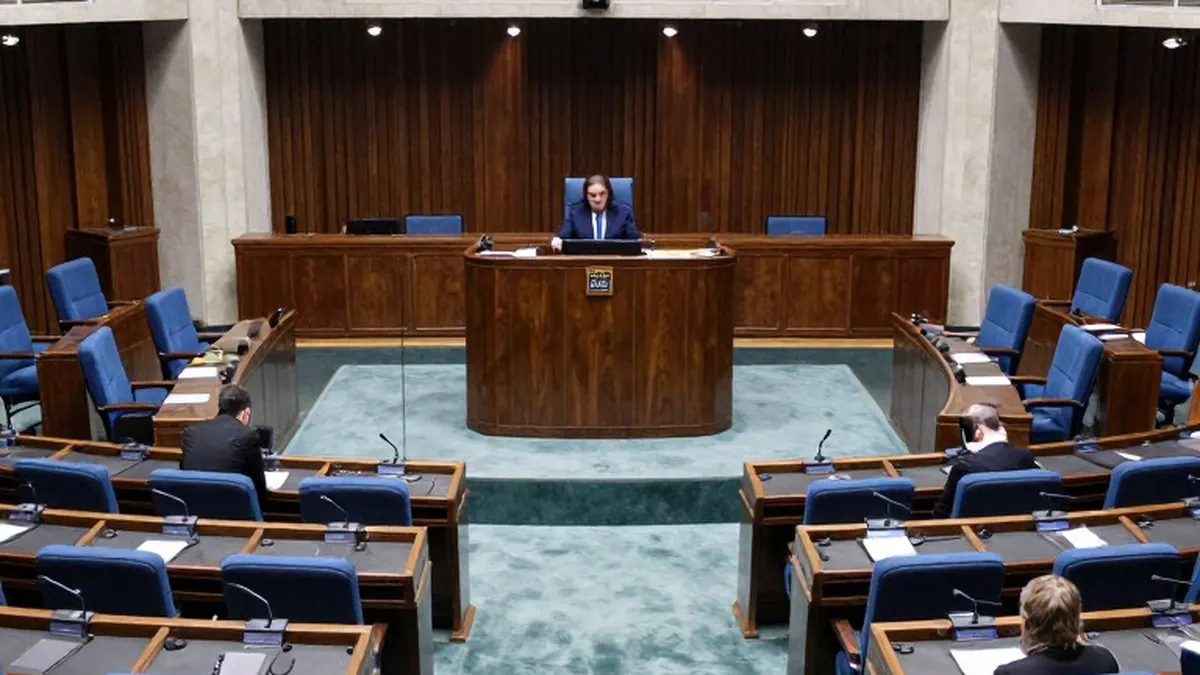
Israel’s incoming Knesset is due to be sworn in on Tuesday, offering opponents of Benjamin Netanyahu an opportunity to gain control of parliament’s agenda while negotiations over a replacement government remain unresolved. Their immediate priority is replacing speaker Amir Ohana, a close Netanyahu ally whose position gives him substantial authority over legislative proceedings.
Gadi Eisenkot, the former military chief who received the presidential mandate to assemble a coalition over the weekend, could seek the speaker’s position himself, Israeli media reported on Monday. Opposition parties have agreed to nominate another member of his Yashar party if he does not. Together, they control 67 of the legislature’s 120 seats, sufficient to elect a candidate they all support.
The approaching ceremony has prompted warnings about possible violence. More than 160 senior former security officials, including former military, intelligence and police chiefs, warned that rightwing activists planned attacks to disrupt proceedings. In a letter quoted by Ma’ariv, the retired commanders’ forum Democracy’s Protective Wall said opponents of replacing the speaker intended to block lawmakers and their relatives from entering the Knesset and were encouraging tens of thousands of supporters to join them.
Agreement on removing Netanyahu has not translated into agreement on governing together. Several Jewish-Israeli parties in Eisenkot’s change bloc have ruled out sharing a coalition with Palestinian-led parties, which account for more than a quarter of the bloc’s seats. They have also rejected joining a minority administration supported by those parties. Eisenkot has promised to pursue a national emergency government through unconventional political steps, while warning that parties will have to compromise on campaign commitments.
Demonstrators across Israel have urged Jewish-Israeli opposition parties to prioritise replacing Netanyahu and abandon their pledges to exclude Palestinian-led parties. Palestinian citizens represent approximately 20% of Israel’s population. Their unprecedented electoral participation this year secured 19 seats. Without those seats, the opposition has fewer lawmakers than Netanyahu’s reduced coalition.
Rightwing opposition leader Avigdor Lieberman is exploring an alternative alliance with ultra-Orthodox parties. Longstanding Netanyahu partners, they have grown frustrated by his failure to enact broad military conscription exemptions for their community. Although Lieberman has strongly advocated universal conscription, he appears more willing to compromise on that policy than cooperate with Palestinian-led parties. Haredi journalist Arye Erlich questioned that potential reversal in a Yedioth Ahronoth column, given Lieberman’s record of opposition to the ultra-Orthodox.
Replacing Ohana could also affect when Eisenkot announces any coalition agreement. The speaker can delay the installation of a government for as long as a week, a window some opposition politicians fear Netanyahu could exploit to undermine a fragile deal. Netanyahu has previously weakened rival coalitions by persuading members to defect to his alliance.
Should Eisenkot fail, other leaders would receive the opportunity to form a government. If those attempts also fail, another election would follow, with Netanyahu and his far-right partners remaining in caretaker office. Netanyahu is urging opponents to enter a unity government with him, although prolonged uncertainty followed by another vote offers a more likely route for him to regain power.
Gideon Rahat, chair in political science at the Hebrew University of Jerusalem, said an alternative administration would be harder for Netanyahu to dislodge once installed. Even a minority government facing difficulties passing measures would hold the governing position, making attempts to remove it more challenging.