Mamdani and Trump Secure 90-Day Extension for New Food Stamp Retail Rules
New York City Mayor Zohran Mamdani and President Donald Trump have agreed to a 90-day delay on new SNAP retail rules to allow small stores time to comply.
By Amir Navarro ·
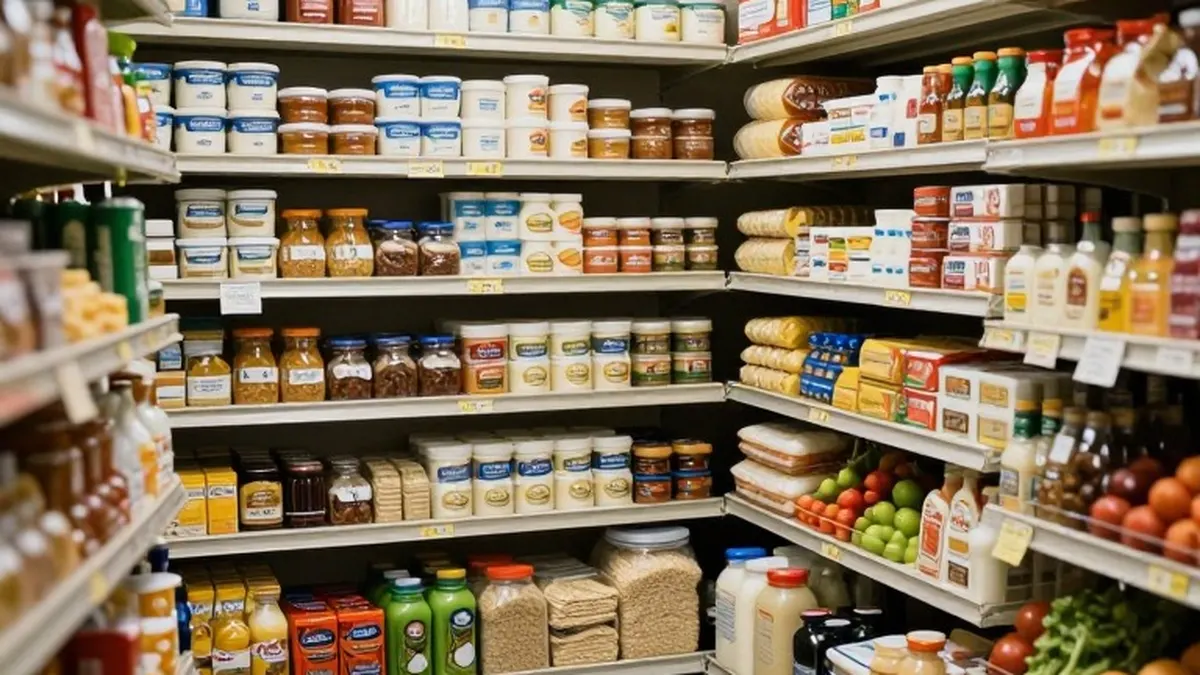
New York City Mayor Zohran Mamdani has reached an agreement with President Donald Trump to postpone the implementation of new regulations for the Supplemental Nutrition Assistance Program. The deal grants a 90-day delay, providing bodegas and corner stores nationwide with additional time to adjust their inventory and comply with the updated guidelines.
According to the mayor, the extension period begins on Friday. This outcome follows direct conversations between Mamdani, President Trump, and Brooke Rollins, the secretary of agriculture. The delay aims to alleviate the pressure on small retailers who were facing a tight deadline to meet the new federal standards.
The new guidelines, issued by the US Department of Agriculture, originally required retailers to stock at least seven different varieties within each staple food category. These categories include dairy, grains, protein, and fruits or vegetables. Additionally, the rules mandated that stores offer perishable items in at least three of these staple categories.
Retailers were previously required to meet these requirements by November 4. Mayor Mamdani stated that the sudden shift placed the lives of more than a million New Yorkers and tens of millions of Americans across the country into chaos. He highlighted that residents were already dealing with a shortage of affordable grocery options, rising costs, and the presence of food deserts in all five boroughs.
The mayor expressed concern that shoppers feared their few remaining accessible stores would no longer be able to accept their food benefits. He noted that people struggling with high prices and limited access to fresh food worried that their local shops might be forced to stop accepting SNAP cards, leaving them without a viable way to purchase essential items.
Advocates for small businesses raised alarms that the strict new rules could exclude many small retailers from the program. Data from the Food Research and Action Center indicates that bodegas, convenience stores, and small grocery outlets account for approximately 70 percent of all SNAP retailers. This high percentage underscores the significant impact the new requirements would have had on the majority of participating stores.
Mamdani warned that the limited timeframe to adjust inventory levels posed a serious risk to the financial stability of small retailers. If these shops could not meet the stocking requirements, they might have been forced to stop accepting benefits, which could have led to closures or significant losses in sales for businesses that relied on SNAP customers.
The mayor emphasized that the change would have affected shoppers in various parts of the country, from general stores in Michigan to convenience shops in Missouri. He stated that for many fellow Americans, the new rules would have made it difficult to use their benefits to feed their families, exacerbating existing economic pressures.
The urgency of the situation was reflected in the direct communication from business owners to the mayor's office. More than 100 bodega owners reached out to express their concerns about the feasibility of the new regulations. According to the New York City Department of City Planning, there are more than 10,000 bodegas and corner stores operating across the five boroughs, highlighting the scale of the local business sector involved.