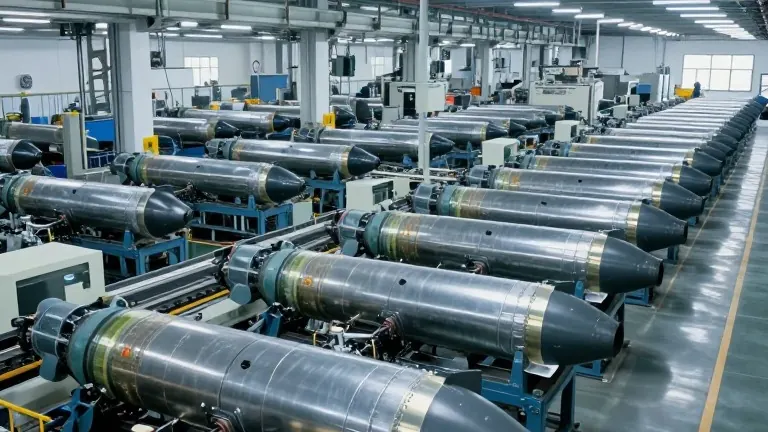
Iraqi Government and Kataeb Hezbollah Reach Deal to Avoid Military Clash
Senior officials confirm a compromise has been reached to resolve tensions over oil smuggling allegations and the future of militia forces in Jurf al-Sakhar.
By Marina Weber ·
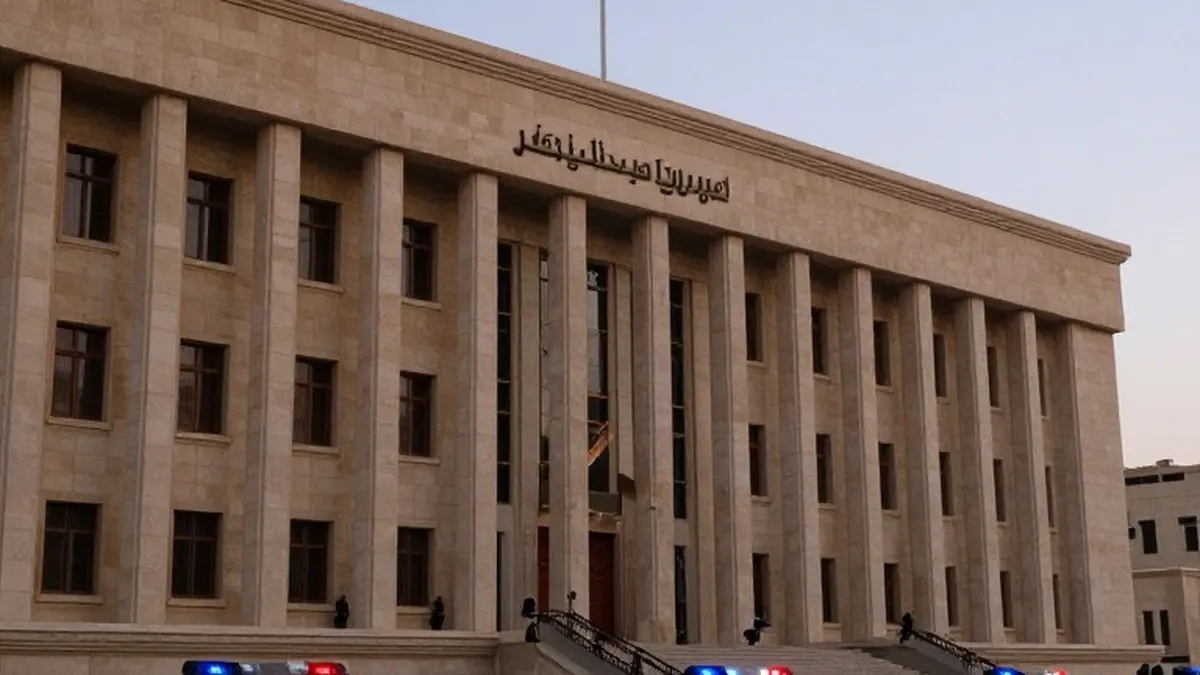
Baghdad, Iraq, November 19, 2026. The Iraqi government has reached a compromise with the powerful Iran-backed militia Kataeb Hezbollah, averting a potential military confrontation. Three senior security officials confirmed the agreement, which comes after Prime Minister Ali al-Zaidi prepared security forces to launch an operation against the group. The deal was brokered by senior Shiite political leaders to prevent a direct clash.
Accusations of a smuggling ring were at the center of the dispute. Iraqi officials had charged the militia with siphoning off hundreds of millions of dollars’ worth of state-owned oil. Under the terms of the agreement, government forces are expected to enter the group’s stronghold of Jurf al-Sakhar on Friday. In exchange, Kataeb Hezbollah forces will relocate to other areas, according to Lieutenant General Saad Maan, head of Iraq’s Security Media Cell.
The gravity of the situation prompted high-level intervention from Iran. Esmail Qaani, commander of the Quds Force, arrived in Baghdad late on Monday to help defuse tensions. He is the commander of the elite Revolutionary Guards unit that supports Tehran’s most powerful militia allies in Iraq. A spokesperson for Kataeb Hezbollah stated that the group’s secretary-general, Abu Hussein al-Hamidawi, met with influential figures including Qaani and Hadi al-Amiri, head of the Badr Organization. The talks were described as positive in a statement issued on Thursday.
Prime Minister Zaidi, a political novice, has made this his riskiest move since coming to power six months ago. He is directly confronting heavily armed Shiite militias that function as proxies of Iran. These groups, including Kataeb Hezbollah, have resisted calls from both Zaidi and US President Donald Trump to disarm. Critics argue that the militias’ semi-official status in Iraq encourages them to act with impunity, while the groups maintain they are dedicated to the country’s security.
Since the United States and Israel launched a war against the Islamic Republic in February, Kataeb Hezbollah and other militias have attacked US troops in solidarity with Iran. The group, whose name translates to Battalions of the Party of God, is a shadowy organization with no announced leadership structure but possesses thousands of hardened fighters. It forms several battalions within Iraq’s Popular Mobilization Forces, a grouping originally set up to fight Islamic State in 2014 and later recognized as an official security force.
Although technically under the command of the prime minister as part of the Popular Mobilization Forces, Kataeb Hezbollah often operates outside the chain of command. It has frequently defied government statements calling for an end to attacks on US forces. Founded in the aftermath of the 2003 US-led invasion, the militia is a member of the Islamic Resistance in Iraq, an umbrella group of hardline Shiite organizations supported by Iran. Like other Shiite armed groups, it reports directly to Iran’s Revolutionary Guards.
The group was previously led by Abu Mahdi al-Muhandis, a dual Iraqi-Iranian citizen. He was killed in a US drone strike in 2020 alongside Qassem Soleimani, the then-commander of the Quds Force, at Baghdad’s international airport. The current leadership continues to navigate the complex relationship between Baghdad and Tehran, with the recent compromise seen as a significant step in stabilizing the security landscape.
The resolution highlights the delicate balance of power in Iraq, where political leadership must manage the influence of armed factions. The move into Jurf al-Sakhar signals a willingness by the government to assert control, while the relocation of militia forces aims to reduce friction. Observers will watch closely to see if the agreement holds as government forces move into the area this week.