UC San Diego matches $20,000 in gifts to student basic needs fund
The university will double donations to The Hub Basic Needs Center on December 1, a program that served one in five students last year with food and hygiene supplies.
By Vanessa Lopez ·
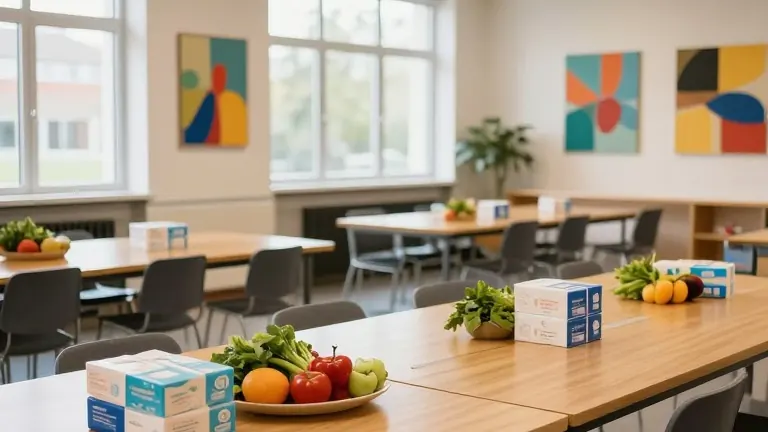
UC San Diego will double all donations made to its student basic needs fund on December 1, matching gifts up to a total of $20,000. The university announced the initiative in a release dated November 19, 2026. This financial backing comes from the Molly’s Angels Foundation and an anonymous alumni couple. The additional funds will support The Hub Basic Needs Center, which provides essential resources to students across the campus.
The Hub has served one in five students at UC San Diego since 2022. Its services go beyond meal distribution to include housing assistance, financial security resources, and personal care items. In the most recent academic year, the Triton Food Pantry recorded nearly 36,000 student visits. The center also operates a Community Supported Agriculture program for fresh produce and offers laptop lending services. These resources are designed to remove daily barriers that can hinder academic progress.
Molly’s Angels Foundation founder Sheila Weinstock established the organization to honor her daughter, Molly, who died at age 28 from an accidental overdose. Weinstock met UC San Diego assistant vice chancellor of student life Patty Mahaffey while walking their dogs at a local park. The two discussed the link between meeting fundamental physical needs and supporting mental well-being. Mahaffey described the Hub's mission to Weinstock, leading to the foundation's financial commitment to the center.
Weinstock emphasized that basic needs are foundational to a student's ability to function in an academic environment. “If you're not eating, your brain isn't going to function right,” Weinstock stated. “If you're not showering, you become depressed.” She noted that the Hub’s open communal space, which requires no paperwork for entry, aligns with her foundation's goal of creating a safe and welcoming community for young people.
Student workers at the Hub have observed the growing impact of these services. Antonia Reconco, a fourth-year student, has worked at the center for three years. She noted that students often hesitate to use resources, assuming others have greater needs. “Need shows up on the spectrum,” Reconco said. “You don't have to wait until you're struggling significantly to finally seek support.” Reconco initially planned a career in law but now intends to use legal advocacy to support basic needs through nonprofit work.
Dailyn Alonzo, another senior who has worked at the Hub since her sophomore year, focuses on making students feel seen. She helped expand the Personal Hygiene Program's inventory to include over 70 free items such as menstrual products, Q-tips, and diapers. Alonzo plans to implement a similar basic needs cabinet in her future classroom, aiming to create a multigenerational support system for her students and their families.
The Hub also supports students with dependents through its Family Initiative Program. Maria Carmen Gonzalez, the Basic Needs Program coordinator, noted that many students share resources with siblings and family members. Gonzalez recalled a pregnant student who received delivered hygiene orders, including diapers and formula, after giving birth. This support allowed the student to return to class in the spring semester. The center’s approach recognizes that lifting the entire family unit contributes to a student's success.