Trump, Putin, and Xi Agree on UN Reforms and Oil Supply in Shenzhen
The three leaders held their first trilateral meeting, pledging to enhance global energy flow and nuclear risk dialogue, though they omitted specific mentions of ongoing wars.
By Marina Weber ·
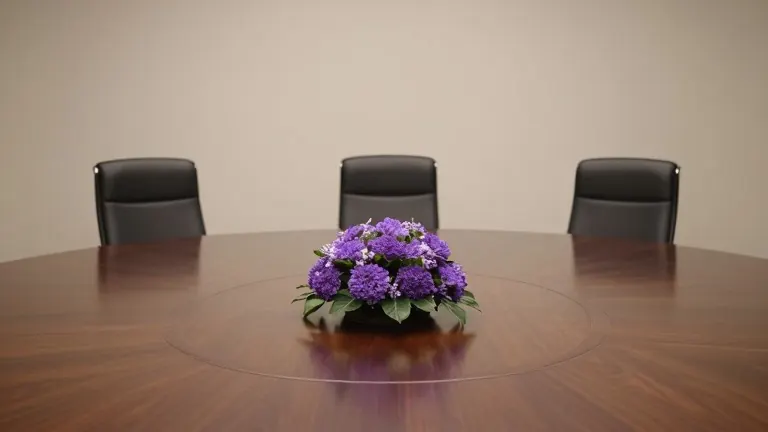
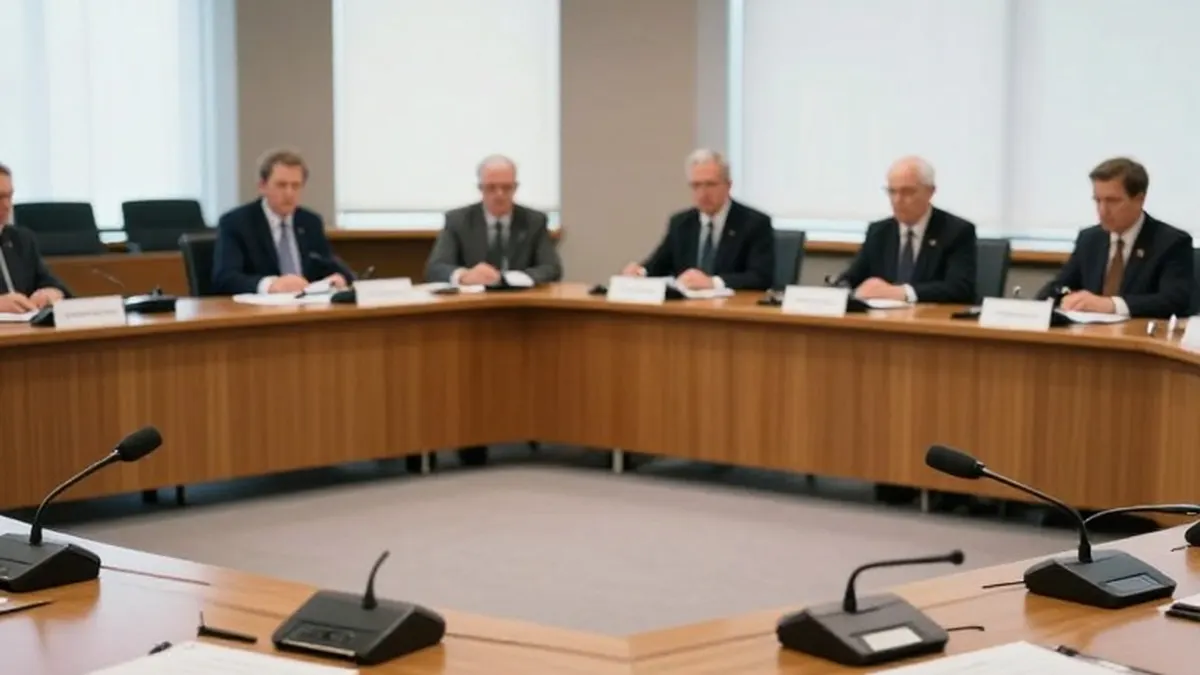
President Donald Trump, President Vladimir Putin, and President Xi Jinping concluded their first trilateral meeting in Shenzhen, China, on Thursday. The three nations agreed to push for reforms at the United Nations, increase the production and supply of petroleum products, and open a dialogue to reduce nuclear risks. Chinese and Russian officials released the joint declaration after the leaders met at a table surrounded by purple flowers in the southern Chinese city.
The statement emphasized the need for UN reforms to address global challenges more effectively. It also noted that the leaders aim to ensure a stable flow of energy by increasing petroleum output. Additionally, the group committed to working together to prevent nuclear proliferation and lower the risks associated with nuclear weapons.
A notable point of contention was the International Criminal Court. The three countries jointly stated that state officials should enjoy immunity from its processes and warned against abusing its jurisdiction. This stance is particularly relevant for Putin, who is sought by the tribunal. During the session, Putin described the talks as open and frank, while Xi characterized the meeting as positive, constructive, and fruitful.
Putin addressed the nature of the trilateral format, stating it is a useful structure for serious collaboration rather than just a photograph. He noted that the format does not subordinate any nation to the others' decisions and that the goal is to find mutually acceptable security solutions. Although the leaders agreed the format is useful and could be repeated, they did not agree to meet regularly in this specific configuration.
Xi Jinping proposed establishing regular mechanisms for communication and crisis prevention among the three powers. He urged the nations to abandon Cold War mentalities and strengthen economic cooperation without seeking decoupling. According to CCTV, Xi also called for a world free of nuclear weapons and emphasized that the three countries should respect each other's red lines.
The joint declaration did not explicitly mention the wars in Ukraine or Iran. This omission occurred despite Trump stating earlier that day that he had raised both issues with the leaders. French Foreign Minister Jean-Noel Barrot downplayed the summit's impact, suggesting the three leaders fundamentally disagree on most issues and that the meeting was driven by their shared status as Pacific rim nations.
The meeting featured warm personal interactions, with Xi embracing Trump upon his arrival on Wednesday night. Xi stated that the personal role of the two heads of state in guiding US-China relations has no substitute. Putin added that he and Trump share similar views on values and democracy, which indicates a closeness of perspective. The Kremlin released a video showing Xi walking Putin to his car and the two men shaking hands as the negotiations ended.