Iranians Brace for Possible New Strikes as Israeli and US Votes Approach
With Israelis voting and US midterms set for November 3, many in Iran fear the war that began on February 28 could resume once the ballots are counted.
By Vanessa Lopez ·
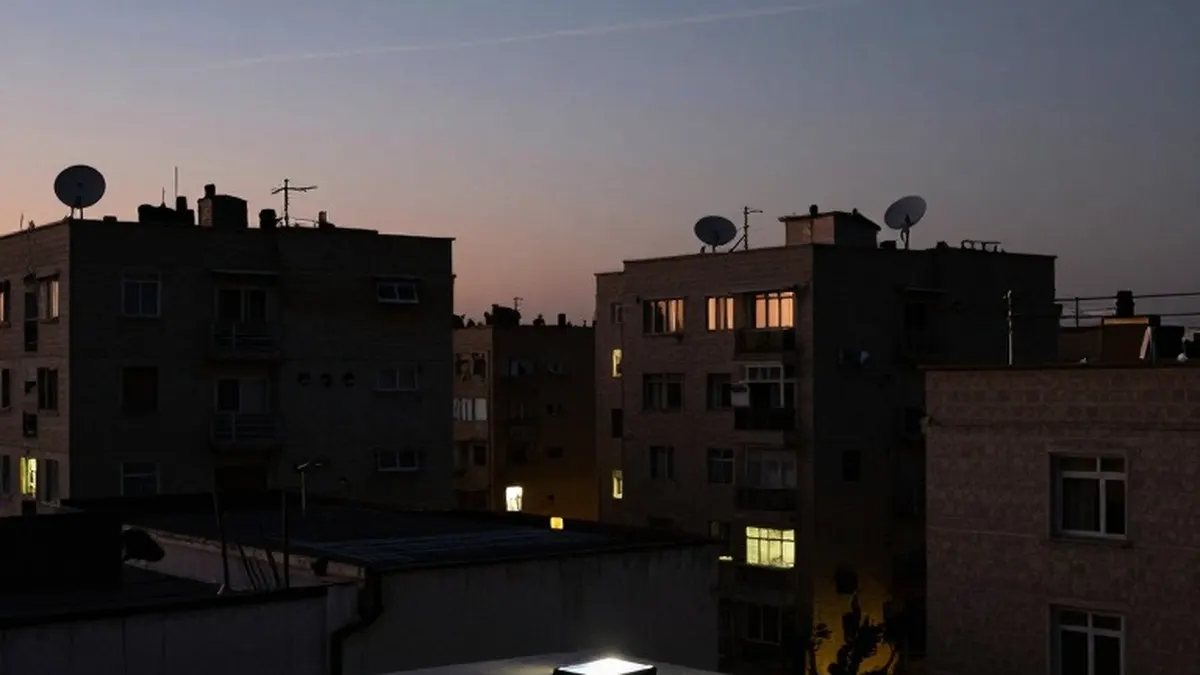
Many Iranians are following two elections closely, convinced the results could shape whether fighting returns to their country. Israelis have voted on whether Prime Minister Benjamin Netanyahu stays in office, and Americans will cast ballots in midterm elections on November 3, a contest expected to affect the final years of President Donald Trump's term.
Iranians have lived through bombings, a blockade and sanctions since Israel and the United States launched a war on Iran on February 28, a conflict Iran describes as unprovoked. Attacks dropped sharply after Washington and Tehran reached a memorandum of understanding in June, but the danger of renewed war has returned. Political commentators widely believe the two allies could resume hostilities after the votes, and Iranians are bracing for more strikes.
Sajad, a 37-year-old Tehran resident who asked to remain anonymous for security reasons, told Al Jazeera he has not followed the Israeli race closely. "But I think there will be more fighting whether Netanyahu wins or Eisenkot or someone else," he said. He believes statements by Israeli officials show the aim is still to topple the Islamic Republic, which has governed Iran since the 1979 revolution.
That goal has drawn some backing from government opponents inside and outside Iran, though cyber intelligence operations by both Israel and Iran make it hard to measure online reaction accurately. Iranian authorities call pro-Israeli Iranians "homeland sellers" and impose harsh punishments on any perceived cooperation with Israel under national security charges. They also blame the US and Israel for the nationwide protests in January, in which thousands of civilians are believed to have died. The United Nations says Iranian security forces committed crimes against humanity during the crackdown.
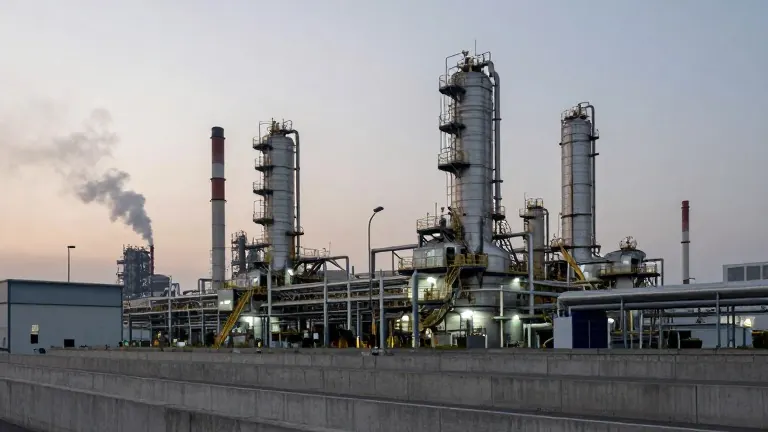
Shayan, a 32-year-old Tehran resident, said anyone who hoped the government would fall at the start of the war has grown disillusioned. He pointed to thousands of civilian deaths and to the blockade and sanctions that have cut incomes. "I think most Iranians don't have a choice in the matter, but want some stability and peace," he said, adding that attacks on oil, gas, power and steel infrastructure changed some views.
Trump has threatened the "death of a civilisation" in Iran and suggested the country's map could look different after the war. He has repeatedly warned of major strikes on power plants, bridges and other civilian infrastructure if fighting resumes, and US media report the military is ready to act in the coming days if ordered. Another option he has raised is extending the naval blockade of Iran's southern ports, in place since July, which has halted oil exports and badly disrupted trade.
Israel's government has also threatened to hit Iranian infrastructure, including energy facilities. Defence Minister Israel Katz has said repeatedly in recent months that he wants to send Iran "back into the Stone Age". Opposition figures including Eisenkot, Naftali Bennett, Yair Lapid and Yair Golan have all welcomed the attacks on Iran, in this war and in last year's 12-day war. They share the aims of removing Iran's enriched uranium stockpiles, dismantling its nuclear programme and eliminating the Tehran-backed "axis of resistance" of armed groups.
The main difference among Israeli politicians is over method. Eisenkot has backed Netanyahu's strikes and called Trump's decision to attack courageous, but he says military action cannot realistically topple the Islamic Republic and that change must come from Iranians themselves.
Some Iranians are already preparing. Some have formed groups with friends in other parts of the country to warn one another of imminent strikes when fighter jets are heard overhead, often using domestic messaging apps or text messages because authorities have said they will impose more internet and communication shutdowns if necessary. "In all seriousness, 90 million people have our eyes to the sky to see when there will be war," a user named Ali wrote on X.
Source: Al Jazeera