Iran Holds Firm on Red Lines as Regional Powers Race to Head Off New Escalation
With US and Israeli elections approaching, Tehran is pressing for lasting guarantees and leaning on its leverage over the Strait of Hormuz while neighbours and Beijing push diplomacy.
By Marina Weber ·
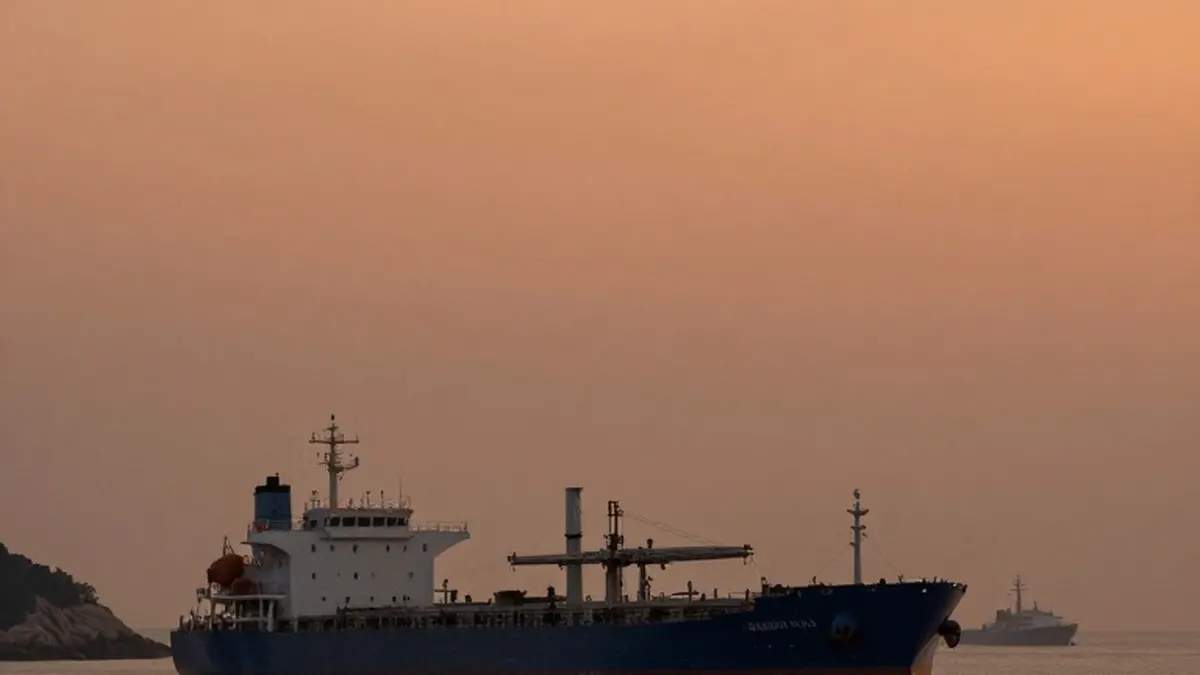
Regional powers are stepping up diplomacy to prevent another round of fighting in the eight-month war the United States and Israel are waging on Iran, yet Tehran shows little sign of softening its red lines. China said on Tuesday that it will soon send an envoy to relevant countries in the region to help avoid fresh escalation, underlining the urgency of a conflict that has disrupted global energy markets and spilled across the Middle East.
On Monday, senior officials from Saudi Arabia, Pakistan and Turkiye, the three countries that signed the Mecca defence pact in August, met high-ranking Iranian officials and promised to continue discussions on "peace and security". The talks in Tehran come after weeks of attacks on Saudi Arabia by Yemen's Iran-aligned Houthi rebels, who are also fighting forces loyal to Yemen's internationally recognised, Saudi-backed government. Under the pact, Pakistan and Turkiye have pledged to support Riyadh militarily.
Iran is demanding sanctions relief, an end to the US naval blockade of its Gulf ports and guarantees that Washington will not attack again. In return, it says it would help restore normal traffic through the Strait of Hormuz, which carried one-fifth of the world's oil and liquefied natural gas before the war. The US wants Iran to give up more, including concessions on its nuclear programme, before a final settlement is negotiated. "Iran's priority is not simply to secure another ceasefire, but to end the war permanently," said Negar Mortazavi, editor and host of The Iran Podcast.
Analysts say deep distrust drives Tehran's stance. The US has struck Iran three times since June 2025 while talks were under way, and the current war began on February 28 as negotiations were taking place in Oman. A memorandum brokered by Pakistan and Qatar in June, meant to reopen Hormuz and lift the blockade, quickly fell apart. Weeks of US attacks followed in July, along with Iranian strikes on US military assets and energy infrastructure in Gulf states and Jordan. Sina Toossi of the Center for International Policy said Iran now wants "more tangible and durable guarantees".
President Donald Trump has kept his intentions unclear. "Do I make a deal with them or do I finish them off?" he asked reporters on Sunday, having earlier said no attacks would come before the November 3 midterms. Mohsen Rezaei, secretary of Iran's Supreme National Security Council, said last week that Iran's forces are ready to answer any new attack, including by hitting bases used by US forces, and that Hormuz will reopen only after Washington takes concrete steps to rebuild trust.
Those midterms will decide control of Congress for the last two years of Trump's term. A Reuters/Ipsos survey this month found only 34 percent of Americans approve of his handling of the war, his lowest rating in either of his terms. Diesel prices have nearly doubled, burdening farmers and small businesses. Some reports citing Iranian officials suggest Tehran may be dragging out talks to deny Trump a political win before the vote.
Israel's election, set for Tuesday, adds another variable. Experts say Prime Minister Benjamin Netanyahu was the main force behind Trump's decision to approve the war, so a defeat could complicate joint action. Still, his likely successor, former military chief Gadi Eisenkot, has repeatedly voiced concern over Iran's nuclear programme and regional influence, so a softer line is far from certain.
Hormuz remains Iran's strongest card. The Washington Institute for Near East Policy recorded more attacks on commercial shipping around the strait in October than in any other month, and Brent crude jumped above $117 a barrel last week, against about $72 before the war. "They know they are in an attritional race with the US to see who breaks first," said Chris Beauchamp of IG Group.
Analyst Rami Khouri said the Tehran meeting aims first at a permanent ceasefire and stronger mediation, and could signal a move away from a regional order dominated by Washington. Mortazavi said the central obstacle is Iran's mistrust of US commitments, adding that Tehran has offered a proposal to end the war but will not give up its leverage under pressure.
Source: Al Jazeera