Greece Blocks Social Media Access for Under-15s Starting 2027
A new Greek law mandates age verification on major platforms and introduces state-backed apps to restrict online access for children younger than fifteen.
By Eduardo Salazar ·

Greece will officially ban children under the age of 15 from accessing major social media platforms beginning on January 1, 2027. The measure becomes active law after the parliament approved the bill earlier this week. Prime Minister Kyriakos Mitsotakis had proposed the restriction earlier in the year. He described the decision as a difficult but necessary step for the country. This makes Greece one of the first nations in the European Union to impose such a strict limit on young users.
The new rules apply to popular services including TikTok, Instagram, Facebook, and X. These companies must now implement age verification methods that are both proportionate and reliable. They cannot simply rely on self-reported birthdates. The government wants to ensure that the methods used are robust enough to prevent minors from bypassing the restrictions. This shift moves the burden of compliance directly onto the tech giants operating in the Greek market.
Dimitris Papastergiou, the minister for digital governance and AI, explained the government's reasoning. He stated that it would have been easy to do nothing and wait for a perfect European law. However, he argued that the challenge is already here. He noted that children are sinking into the internet every day. He believes a responsible government must act on its obligations. This stance highlights the urgency felt by Greek officials regarding digital well-being.
Companies that fail to follow the new act will face fines under the EU's Digital Services Act. This provides a clear financial incentive for platforms to cooperate. The legislation also changes the role of parents in managing their children's online time. Parents will need to download specific applications approved by the state. These apps are called Kids Wallet or Gov.gr. They must be paired with their child's device to block access when the user is under the legal age.
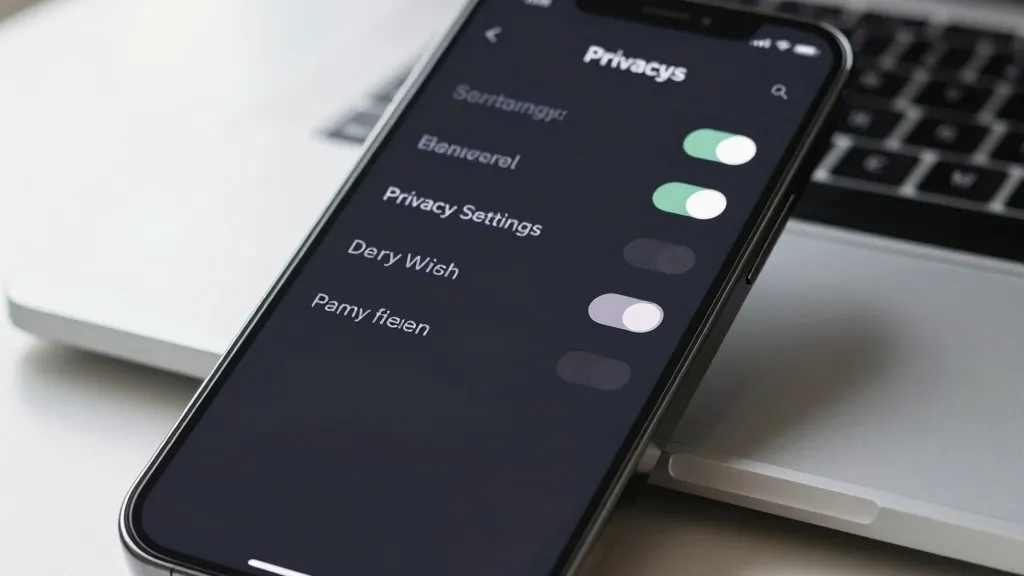
The state-backed apps are designed with privacy as a primary goal. Papastergiou said they use age tokens to confirm a user's age. This method aims to minimize the amount of personal data disclosed to platforms. The goal is to verify identity without collecting extensive information. This approach attempts to balance security with data protection for young users.
The path to passing the law was not without political tension. Minority parties in Greece opposed the legislation. Prime Minister Mitsotakis used his majority in parliament to push the bill through. Despite the opposition, the move has strong backing from the public. Opinion polls indicate that the adult population in Greece widely supports the ban. This reflects a growing consensus on the need for stricter digital boundaries for minors.
Greece has previously taken steps to limit screen time in educational settings. In 2024, the country banned mobile phones in schools. The new social media ban extends this protection to the broader online world. Officials view these measures as part of a larger strategy to manage digital exposure. The government hopes this will set a precedent for other EU nations to follow.
Mitsotakis has stated that his government aims to push the European Union in this direction. The European Commission recently introduced the EU Kids Act. However, that proposed law only mandates an outright ban for children under 13. Greece's threshold is higher at 15. This difference highlights the varying approaches countries take to protect young users online.
Australia was the first country to enact a full social media ban for children. It has faced challenges in implementing effective age verification. Greece is watching those early efforts closely. The Greek government wants to avoid similar pitfalls. As the January 2027 deadline approaches, tech companies will need to finalize their verification systems. Parents will also need to familiarize themselves with the new state apps. The coming months will show how smoothly this significant policy shift is executed.
Source: Engadget