Democrats Take Both Chambers, Signal Aggressive Oversight Agenda
Democrats have secured majorities in both chambers of Congress, setting the stage for aggressive investigations into the executive branch and a new era of legislative oversight.
By Vanessa Lopez ·
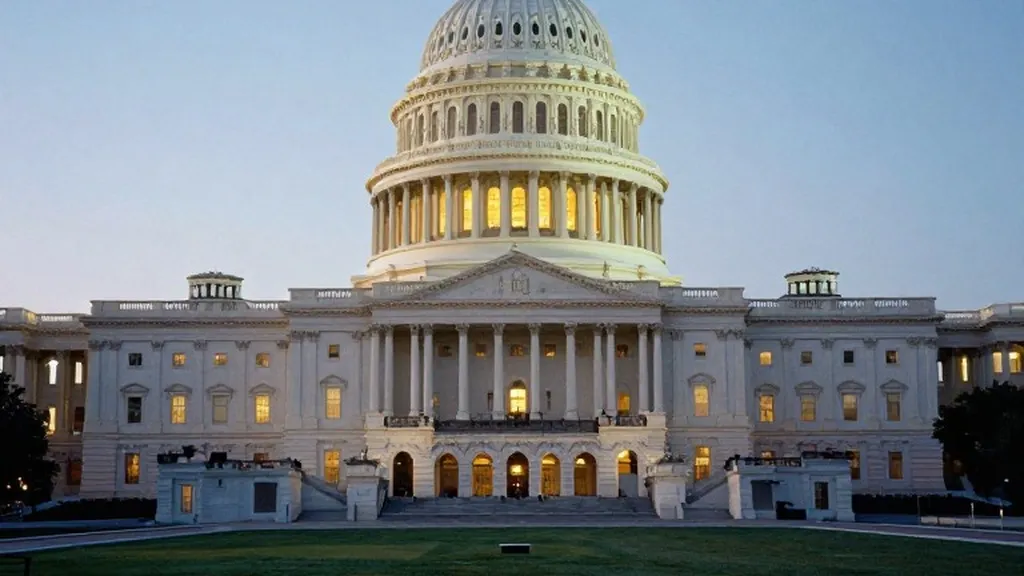
Midterm elections concluded on Tuesday, November 3, 2026, with Democrats securing majorities in both the U.S. House of Representatives and the U.S. Senate. For readers outside the United States, this system allows the legislative branch to check the power of the executive branch, a dynamic that has immediate implications for global markets, trade policy, and international alliances. The shift in control signals a new era of legislative oversight and potential conflict with the White House, as Democratic leaders prepare for an aggressive agenda of investigations and policy changes.
Hakeem Jeffries of New York is poised to become the first Black speaker of the U.S. House of Representatives. In his early remarks, Jeffries indicated a willingness to work with the administration when possible to deliver results. However, he also signaled a firm stance on accountability, describing the new House leadership as ready to push back against what he called extremism. This leadership change marks a significant moment in American political history and sets the tone for the coming two years of congressional sessions.
The new congressional majority has already begun preparing for a robust investigative campaign against the executive branch. Rep. Robert Garcia of California, who is expected to chair the House Oversight Committee, stated that the days of not fighting back are over. He described the target of these investigations as the Trump crime family. This rhetoric suggests that the new Congress will not merely observe the administration but will actively seek to scrutinize its actions, a move that could influence how the U.S. engages with foreign partners in the near term.
President Donald Trump and his administration have responded with a combative stance. On social media, Trump declared that investigative requests made by Democrats are extortion at the highest level. Attorney General Todd Blanche echoed this sentiment, stating that criminal investigations of Democrats are possible. He argued that lawmakers are not allowed to threaten existing members of the administration or companies. This defiance sets the stage for a legal and political showdown that could define the remainder of the president's term.
For international observers, the tension between the branches of government carries weight for trade and tariffs. With a Democratic Congress in control, there is potential for legislative action on economic issues that may affect global supply chains. The administration has faced criticism over immigration enforcement, with about six in ten voters indicating that these actions have gone too far. This domestic pressure may translate into policy adjustments that affect labor markets and trade agreements with allied nations.
The election also produced historic victories for Native American women, signaling a broader shift in American political representation. Crystalyne Curley was elected the first woman president of the Navajo Nation, a tribe with a land base spanning 27,000 square miles. She plans to transition the tribe away from coal development, a move that has implications for energy markets and environmental policy. Her victory, along with others, reflects a growing political power for indigenous communities in the United States.
Peggy Flanagan was elected to the U.S. Senate from Minnesota, becoming the first Native American woman to serve in the chamber. Her victory adds to the representation of indigenous voices in federal policy debates. In New Mexico, Deb Haaland was elected governor, becoming the first female Native governor of a U.S. state. These wins suggest that regional and cultural identities are playing a larger role in American politics, which may influence how the U.S. approaches issues of resource management and domestic infrastructure.
The new congressional leadership faces internal debates about the balance between accountability and economic action. Sen.-elect Adam Hamilton, the first Democrat elected from Kansas in 94 years, expressed skepticism about impeachment, preferring to set up guardrails rather than divide the country. Sen. Bernie Sanders of Vermont warned that the new Congress cannot spend all its time investigating the president but must also stand up for working-class families. These internal dynamics will shape the pace and direction of legislative efforts.
Global markets may react to the prospect of a more assertive Congress. The potential for investigations into the executive branch could introduce uncertainty into policy implementation, particularly in areas like energy and technology. The U.S. government's center for AI safety, CAISSI, has faced concerns over its independence, with reports that its staff are now informally reporting to the White House. This structural change could affect how the U.S. regulates emerging technologies that have global commercial applications.
The election results confirm a shift in the balance of power that will likely lead to a more contested relationship between the White House and Congress. For allies and trading partners, this means that U.S. policy decisions may require more legislative consensus before being finalized. The new Democratic majority has signaled a commitment to lower the cost of living for voters, a goal that may involve changes to trade and fiscal policies affecting the global economy. The coming months will test the ability of the new Congress to deliver on its promises while managing a combative executive branch.
Final results from the November 3 elections show a clear mandate for Democrats to pursue accountability. The combination of a new House speaker, a Senate majority, and historic state-level victories creates a complex political landscape. As the new Congress convenes, the focus will turn to specific investigations and policy proposals that could reshape the U.S. role in global affairs.