Apple Raises iPhone Duo Production Targets to 14 Million Amid Surge
Supply chain data indicates Apple has significantly increased manufacturing orders for its new folding device after initial pre-orders revealed unexpected consumer enthusiasm.
By Neha Iyer ·
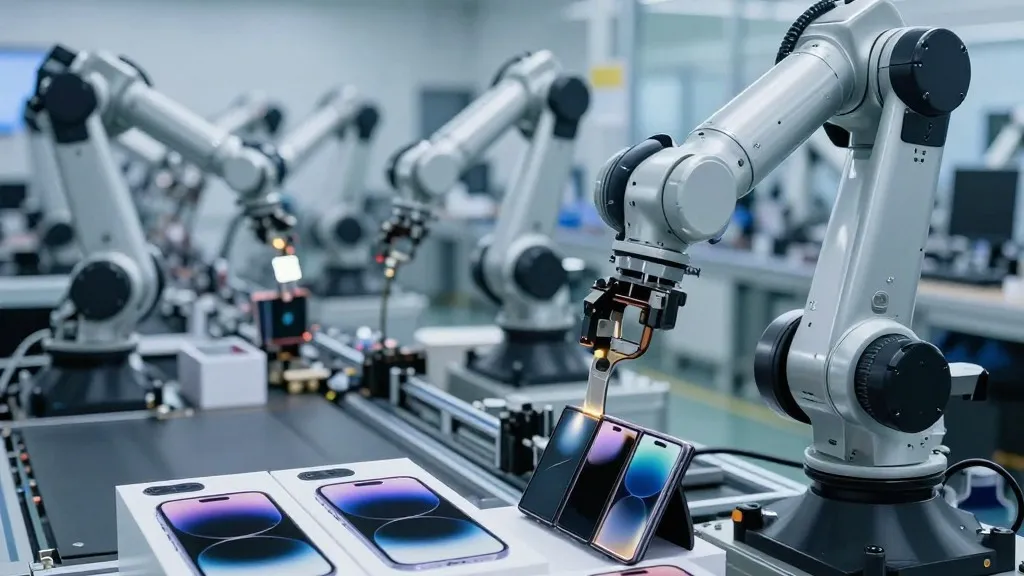
A significant shift in production strategy is underway at Apple, with the tech giant reportedly ramping up orders for the iPhone Duo by more than 40 percent. This aggressive adjustment appears to be a direct response to what the company has labeled as "extraordinary" demand for its first folding smartphone. The move signals that the initial uncertainty surrounding the product’s market reception has resolved firmly in favor of high consumer interest.
The tension began on Friday when pre-orders opened, and delivery windows for new customers began to slip almost immediately. Within a minute of the launch, buyers reported being assigned extended shipping dates, with some estimates stretching into late January. While it was initially unclear whether these delays stemmed from a supply shortage or a genuine surge in interest, the latest supply chain indicators point strongly to the latter.
Apple attributed the extended wait times to the unprecedented level of demand for the new device. However, the use of the word "extraordinary" to describe sales is a familiar tactic for the company, which frequently employs similar language during standard iPhone launches. To manage the influx and curb potential scalping, Apple implemented a restriction limiting each customer to a maximum of two units per order.
According to a report from DigiTimes, which cites supply chain sources, Apple is now expecting strong demand to persist well beyond the initial launch window. Consequently, the company has raised its shipment targets for the first twelve months significantly. The original goal was to ship 9.7 million units, but this figure has been boosted to 14 million units to meet the projected sales volume.
As a result of this production ramp-up, some early customers who initially received long wait times have subsequently been offered earlier estimated shipping dates. This adjustment suggests that the increased manufacturing output is beginning to have a tangible impact on the supply chain, helping to clear the backlog of orders placed during the first few days of availability.
Despite the hardware success, early adopters face some software challenges. Third-party applications are not yet fully optimized for the unique form factor of the iPhone Duo. Apple maintains that the situation is improving rapidly as developers adapt their software, and initial reviews based on a week of usage consistently highlight app support as a key area for improvement among the device's five main takeaways.
Another point of contention in early reviews has been the device’s reliance on Touch ID rather than the more advanced facial recognition system. However, a new report suggests that Apple is already looking ahead to the next iteration. The company is reportedly testing prototypes of the iPhone Duo 2 that incorporate Face ID, indicating an intention to address this perceived downgrade in the upcoming generation.
The shift in production targets underscores the high stakes involved in Apple’s first foray into the folding phone market. By increasing orders by such a large margin, the company is betting heavily on sustained consumer adoption. The rapid iteration on biometric security features further suggests that Apple is eager to refine the product experience in the coming months.
Source: 9to5Mac