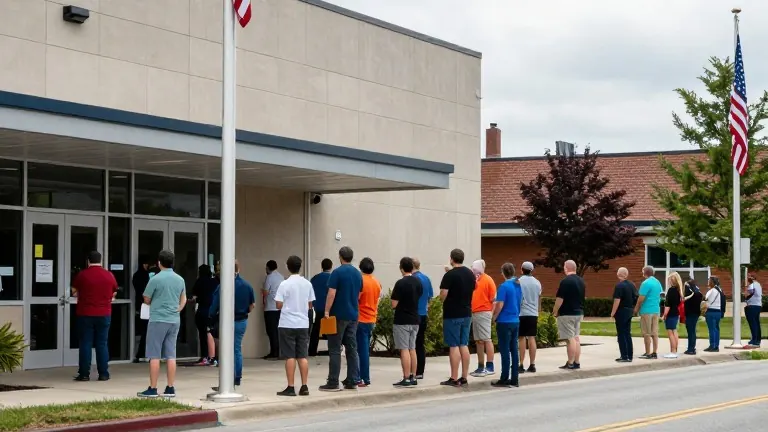
Democrats seize full control of Congress in historic midterm shift
The U.S. House and Senate both changed hands, setting the stage for a new legislative agenda that will reshape trade policy and foreign alliances.
By Marina Weber ·
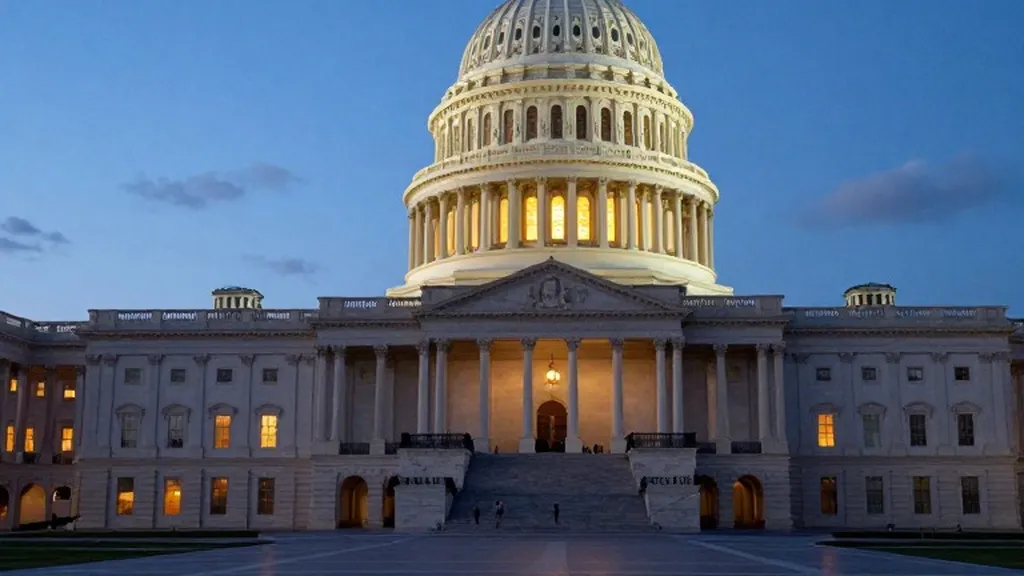
The United States has completed its midterm elections with a decisive shift in power. Democrats have won majorities in both the U.S. House of Representatives and the U.S. Senate. This outcome marks a significant change in the American political system, where the President serves as the head of state and the Congress, composed of the House and Senate, holds the power to pass laws and control federal spending. For readers outside the U.S., this change in control means a new set of priorities will drive American policy on global markets, trade tariffs, and military alliances.
According to election results compiled by Ballotpedia, Democrats picked up at least 43 seats in the House and seven seats in the Senate. All seven of these Senate seats were previously held by Republicans. In the House, Democrats captured 42 seats that Republicans held, along with one seat previously held by an independent. As of 4:00 p.m. Eastern Standard Time on November 6, the Democratic majority in the House stands at at least 250 to 157. The Senate majority is at least 54 to 44. This net loss of seats for the President’s party places the election in the top 20 percent of historical midterm years in terms of seat swings, a threshold often described as a wave election.
The shift in the Senate is particularly consequential for foreign policy. The Senate holds the power to confirm cabinet nominees and to approve treaties. With Republicans losing their slim majority, President Donald Trump will face a Congress that is more likely to scrutinize executive actions. This dynamic could influence the ongoing war in Iran and broader relations with allies. The new Democratic leadership will likely push for more oversight of the Department of Defense, a body that has been central to recent military operations in the Middle East and beyond.
In the House, Democrats now hold the power of the purse. This allows them to attach conditions to spending bills, a tool they plan to use to rein in the Trump administration’s education and trade agendas. For global markets, this means potential changes in how the U.S. manages its budget deficit and how it enforces trade rules. The House also controls the initial review of tax legislation, which could affect the competitiveness of American companies in international markets. Investors abroad are watching closely to see how the new majority will approach tariff negotiations and trade deals.
The election also saw Democrats win a majority of governorships and a plurality of state government trifectas. This is the first time since before the 2010 elections that Democrats have held a majority of governorships. State governments play a crucial role in U.S. foreign policy, particularly in states with large trade sectors like California. The election of Xavier Becerra as California’s governor continues a streak of Catholic governors in the state, highlighting the diverse religious and political makeup of American leadership. Becerra, the state’s first elected Latino governor, campaigned on themes of economic growth and infrastructure, which are key to California’s role in global trade.
President Trump responded to the results with a mix of frustration and engagement. He met with advisors to discuss the new legislative landscape. In the Senate, Democrats will likely focus on holding hearings to review the administration’s actions. This includes investigations into the dismantling of the Department of Education and the management of federal student loans. While these domestic issues seem far removed from foreign policy, they reflect a broader Democratic push for accountability and transparency that will likely extend to international affairs.
The new Congress will also address the issue of U.S. alliances. Republicans, who remain in the majority until the new Congress convenes in January, are trying to pass their own agenda in the final weeks of their term. This has led to tensions, such as the impeachment resolution introduced by Rep. Thomas Massie against Defense Secretary Pete Hegseth. The resolution, which focuses on the war in Iran, highlights the internal divisions within the Republican party. Democrats support the measure, seeing it as an opportunity to challenge the administration’s military strategy.
For international observers, the key takeaway is the increased likelihood of legislative gridlock. With the President from one party and the Congress controlled by the other, passing major legislation becomes more difficult. This could lead to a more cautious approach to trade and foreign policy. The U.S. may be less likely to pursue aggressive tariff increases or unilateral military actions without congressional support. This shift could provide a sense of stability for global markets, which have been volatile due to concerns over U.S. policy direction.
The election results also signal a change in the cultural and political narrative. Democrats have framed the election as a rejection of the President’s agenda, while Republicans have pointed to economic growth and national security victories. The outcome suggests that voters are prioritizing checks and balances over executive power. This trend may influence future U.S. elections and the overall political environment in which global partners operate.
As the new Congress prepares to convene in January, the focus will shift to the specifics of the legislative agenda. Democrats will likely introduce bills to address climate change, healthcare, and trade. The President will need to negotiate with the new majority to avoid vetoes and ensure that key priorities are met. This period of transition will be critical for setting the tone for U.S. relations with the rest of the world. The outcome of these negotiations will have far-reaching implications for global trade, security, and economic growth.