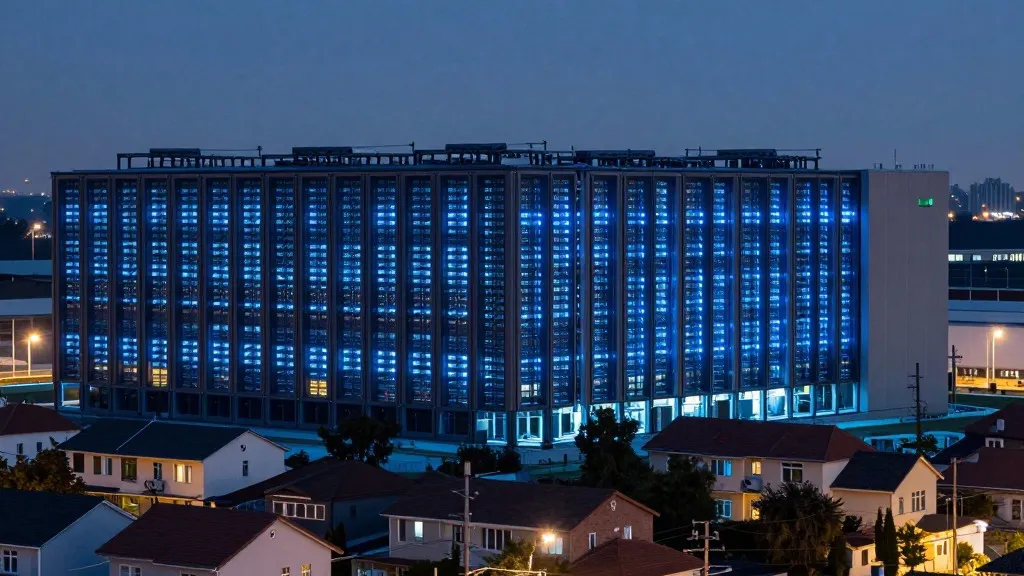
Amazon scraps Northern Virginia AI data center plans
Following intense local opposition, Amazon is converting a planned 122-acre data center site in Loudoun County into mixed-use housing and public facilities.
By Ishani Kapalli ·
Amazon has officially abandoned its proposal to construct four new data centers in Northern Virginia, marking a significant pivot in the tech giant's regional infrastructure strategy. The decision follows months of intense community resistance and represents a notable shift for the company in a region known for its high density of server facilities.
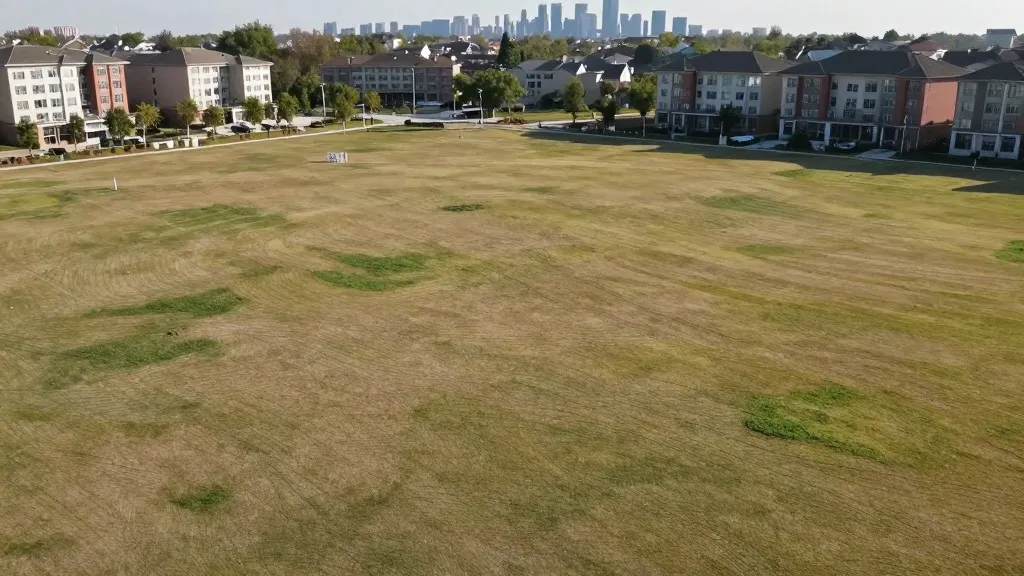
The 122-acre site, formerly part of the George Washington University campus in Loudoun County, will now be primarily developed for mixed-use and residential purposes. In a gesture toward local stakeholders, Amazon agreed to donate 25 acres of the property to the county. This land is designated for the construction of a community arts center and a new recreational facility, addressing long-standing calls for public amenities in the area.
Financial commitments accompany the physical changes. The company will contribute $5 million directly to the county's housing fund, aiming to support the development of more attainable homes for working families. This financial package underscores the company's effort to mitigate the social impact of its withdrawal from the project.
The reversal comes after a period of negotiation between Amazon and local officials. In September, Amazon’s vice president for data center development, Josh Weissman, met with Loudoun County Board of Supervisors Chair Phyllis J. Randall. While the company initially pursued the site aggressively, Weissman acknowledged that the county raised "pointed concerns" regarding the development. He noted that rather than proceeding with "costly litigation," the best path forward was a shared vision for the campus.
This decision occurs against a backdrop of growing tension between hyperscale data center expansion and local communities. Residents in Loudoun County, often referred to as "Data Center Alley," have cited noise pollution and excessive power consumption as primary drivers of their opposition. The broader industry faces similar scrutiny, with recent calls from the administration for data center operators to pay dividends to local communities in response to energy price increases.
Loudoun County officials have framed the outcome as a triumph of collaboration. Chair Randall stated that choosing "dialogue over reflexive disagreement" created a valuable opportunity for the county. The agreement aims to provide new gathering spaces for residents while increasing housing availability, a priority for many in the region. While the data center boom continues to drive demand for larger facilities due to AI growth, this instance highlights the increasing friction between technological expansion and local land use preferences.
The outcome suggests that local pushback may be becoming a more significant factor in data center siting decisions. As the region grapples with energy capacity and environmental concerns, the repurposing of the Loudoun site offers a potential model for alternative land use. However, the decision also raises questions about the long-term economic and infrastructural trade-offs inherent in shifting from high-tech industrial use to residential development.
Source: Tom's Hardware