240% surge in online anti-South Asian hate precedes Chicago temple plot
Police in Illinois averted a mass shooting at a Hindu temple, a plan that emerged from a four-year spike in online dehumanization documented by researchers.
By Vanessa Lopez ·
Anti-South Asian sentiment in the United States has shifted from fringe internet memes to mainstream political discourse, a change that researchers link to a recent surge in violent incidents. This shift culminated in October when police in Palatine, Illinois, reported that a 19-year-old college student named Alexandros Paporakis attempted to shoot up a Hindu temple in Aurora.
The planned attack on the Sri Venkateswara Swami Temple was stopped when Paporakis' gun jammed. He now faces felony charges for making a terrorist threat and unlawful possession of a rifle. His coworkers alerted authorities after he contacted them following the failed attempt and sent an eight-page document outlining his motivations. That document contained racially charged slurs against people of Indian ancestry, Jews, and African Americans, describing them as subhumans.
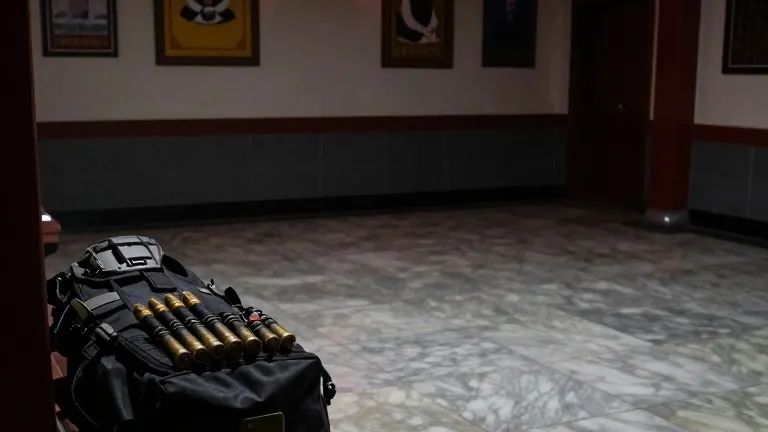
Police found an AR-style rifle, 300 rounds of ammunition, eight loaded magazines, and body armor in Paporakis' apartment. They also discovered items bearing Nazi symbols and anti-Indian slurs. The attack coincided with the start of a major nine-day Hindu festival, drawing attention to the community's vulnerability. Palatine Police Chief William Nord stated that the seriousness of the threat cannot be overstated.
Researchers note that this level of targeted violence marks a break from the previous model minority narrative. Rohit Chopra, a communications professor at Santa Clara University, said that over the last four years, anti-immigrant populism and economic anxiety have changed how Indian Americans are viewed. Prasiddha Sudhakar, a board member of the Network Contagion Research Institute, added that the community is being deliberately excluded from conversations about who is American.
Data from the Center for the Study of Organized Hate shows a 240% increase in anti-South Asian hate speech on the social media platform X between January 2025 and June 2026. This spike followed earlier conspiracy theories that emerged around 2022, such as the baseless Brahmin Organized Government narrative. Sudhakar noted that these theories echo the Zionist Organized Government concept but focus heavily on immigration and job displacement.
The online rhetoric has moved from fringe sites like 4chan to mainstream platforms, with spikes occurring whenever public figures of Indian origin gain prominence. Chopra pointed to the H-1B visa issue as a key driver, noting that Indian nationals account for more than 70% of these visas. Every development regarding the visa program correlates with a rise in online hate.
The Indian American community in the U.S. numbers approximately 5 million people, yet it lacks the organized political power to shift elections. Two-thirds of this population are immigrants, and nearly half of those are not naturalized citizens. This immigration limbo makes it harder for well-established individuals to speak out. Pushpita Prasad of the Coalition of Hindus of North America explained that Hindu temples do not function like traditional congregations, making community organization more difficult.
Despite recent milestones in politics, including the selection of Usha Vance as second lady and Kash Patel as FBI Director, Chopra argues that visibility does not equal power. The community remains vulnerable because it lacks a unified voice to counter the growing narrative of dehumanization that has moved from the internet to the streets.
Source: WUFT