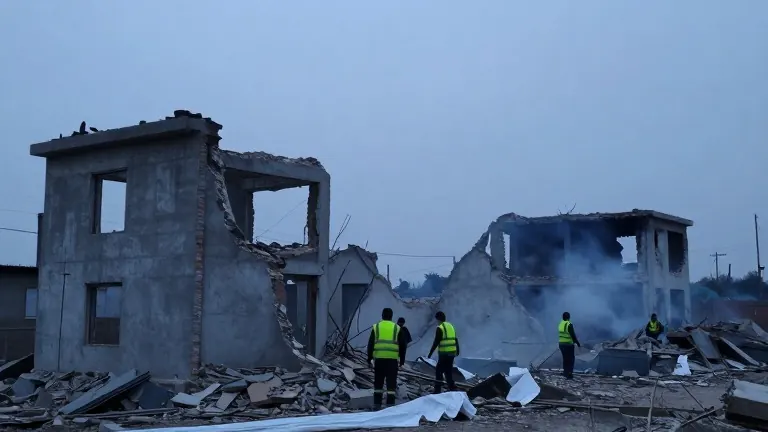
Yuma desert records heaviest daily rainfall since 1987
Unseasonal storms in November flooded parking lots, closed restaurants, and threatened early-season crops in Arizona's agricultural hub.
By Vanessa Lopez ·
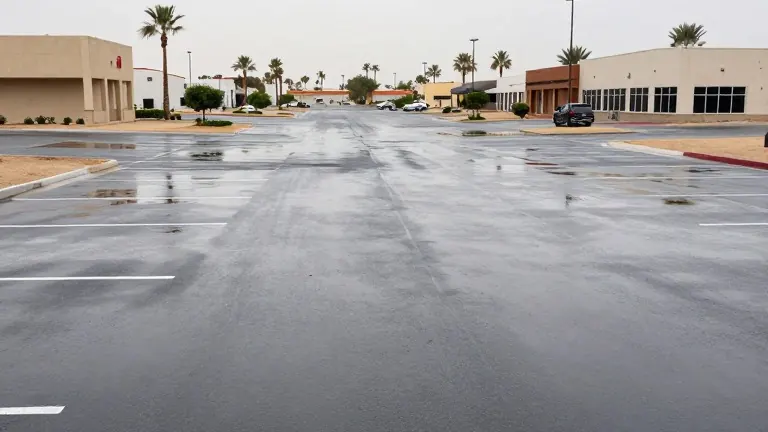
Yuma, Arizona, recorded its highest daily rainfall since 1987, a shift in weather patterns that threatens the region's early winter crop cycles and disrupts travel across the southwestern border.
The National Weather Service confirmed that Yuma International Airport measured 0.62 inches of precipitation on Sunday. This total surpassed the previous single-day record of 0.22 inches, which had stood for nearly four decades.
Historically, the desert region receives such heavy downpours in late November. The storm arrived weeks earlier than expected, catching local infrastructure and agricultural operations off guard. County officials noted that while catastrophic flooding was avoided, localized water accumulation created immediate operational challenges.
In the city center, standing water surrounded businesses and parking structures. Grove 95, a local restaurant, closed for the weekend after water pooled around its entrance. Coby Crouch, co-owner of the property, explained that the site's natural bowl shape causes water to collect during heavy rains. Crouch stated that the location has experienced pooling in the past, but the timing of this event was unusual.
The early arrival of the rain poses risks to the winter agriculture sector that supplies produce to regional restaurants. Crouch noted that if crops are in early growth stages, the volume of water can wash out plantings, forcing farmers to restart the growing process. This disruption could tighten delivery schedules and impact the availability of seasonal produce for consumers.
Crouch is currently monitoring harvest schedules with local farming partners to determine if delays will occur. He indicated that the restaurant plans to reopen its doors on Tuesday. Crouch said he is already communicating with suppliers as customers begin asking about the status of seasonal crops.
Traffic disruptions extended beyond the city limits. Approximately 60 miles north of Yuma, law enforcement issued detours after roads became submerged, creating heavy traffic backups. To the west, visitors at the Imperial Sand Dunes faced washed-out roadways. Rising water forced officials to close a major return route toward Yuma, leaving drivers seeking alternative paths home.
Source: KOLD News 13