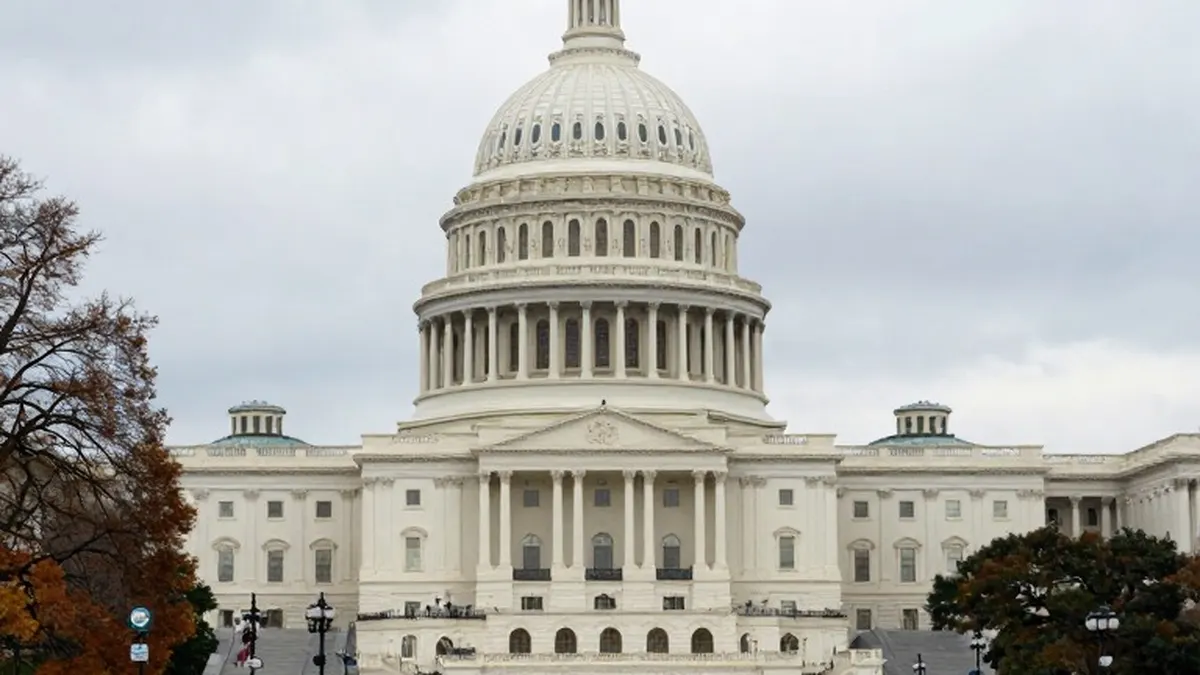
Democrats poised to override Trump veto on Ukraine aid after securing full congressional control
With control of both chambers of Congress from January 2027, Democrats may approve new aid for Ukraine and challenge executive actions on Iran and energy sanctions.
By Marina Weber ·

US Democrats are expected to gain the leverage needed to approve new assistance for Ukraine starting in January 2027, potentially overriding a presidential veto. This shift in power follows the party's success in securing a majority in the House of Representatives, which now places them in control of both chambers of Congress. According to Reuters, this new configuration allows Democratic leaders to decide which bills reach the floor and when, creating a strategic advantage in legislative battles.
The primary target of this new legislative focus is direct financial and military aid for Kyiv. President Trump has largely halted such support, a move that has drawn criticism from lawmakers across the political spectrum. Despite bipartisan support for aid packages among both Democrats and Republicans, the executive branch has maintained a restrictive stance. Democratic aides have indicated that assisting Ukraine remains a top priority, and the party believes it can muster the necessary two-thirds majorities in both houses to push through new aid measures against a veto.
Tensions between the White House and Congress have recently intensified over energy policy. The president sparked significant outrage among members of Congress, including many Republicans, by rolling back sanctions on Russian diesel fuel. He also waived sanctions on broader Russian energy imports just weeks after signing the relevant legislation into law. This rapid reversal of policy has prompted legislative responses, with Representative Gregory Meeks, a Democrat from New York who is likely to chair the House Foreign Affairs Committee, introducing a bipartisan bill. The aim of this bill is to block the administration's plan to return Russian diesel fuel to the global market.
Beyond Ukraine and energy, Democrats may also use their increased control to scrutinize the administration's conduct of the war with Iran. On February 28, the United States, alongside Israel, launched military operations against Iran without prior congressional approval. Since then, Democrats have repeatedly voted to end hostilities unless the president seeks formal permission from Congress. One such resolution was passed by both the House and the Senate with support from several Republicans, yet the Trump administration proceeded without heeding the vote.
With their new leverage, Democratic leaders could employ various tactics to force the executive branch to seek congressional authorization for continued military action in Iran. Potential strategies include cutting defense spending or delaying the confirmation of presidential nominees. These measures could pressure the administration to comply with statutory requirements regarding the use of military force. Additionally, Democrats may require administration officials to provide regular briefings to lawmakers and the public, potentially through public hearings, to ensure transparency in their strategic planning.
The political landscape has shifted decisively with the Democrats securing 220 seats in the House of Representatives. This number exceeds the 218 seats required for a majority, cementing the party's control over the lower chamber. Combined with their hold on the Senate, this full control of Congress grants the party significant procedural power. As the new session approaches, the focus will likely remain on how effectively Democrats can utilize this advantage to advance their legislative agenda and check executive power.
The upcoming months will be critical in testing the limits of this new dynamic. While the president retains executive authority, the ability of Congress to override vetoes and control the legislative calendar changes the calculus for both sides. Lawmakers from both parties are watching closely to see how the balance of power plays out, particularly regarding high-stakes issues like foreign aid and military engagement. The coming session promises to be a significant period for US foreign policy and domestic governance.
As the new congressional term begins, the interplay between the White House and Capitol Hill will determine the trajectory of US involvement in ongoing conflicts. The potential for overriding vetoes and imposing legislative constraints marks a distinct change from the previous period. Both parties will need to navigate these new realities carefully, balancing their partisan goals with the urgent demands of international diplomacy and national security.
Source: Ukrainska Pravda