Korolivskyi Smak Suspends Production Amid Power Cuts and Missile Threats
A major Ukrainian oilseed processor has halted operations and reduced staff due to critical energy shortages and ongoing military strikes.
By Vanessa Lopez ·
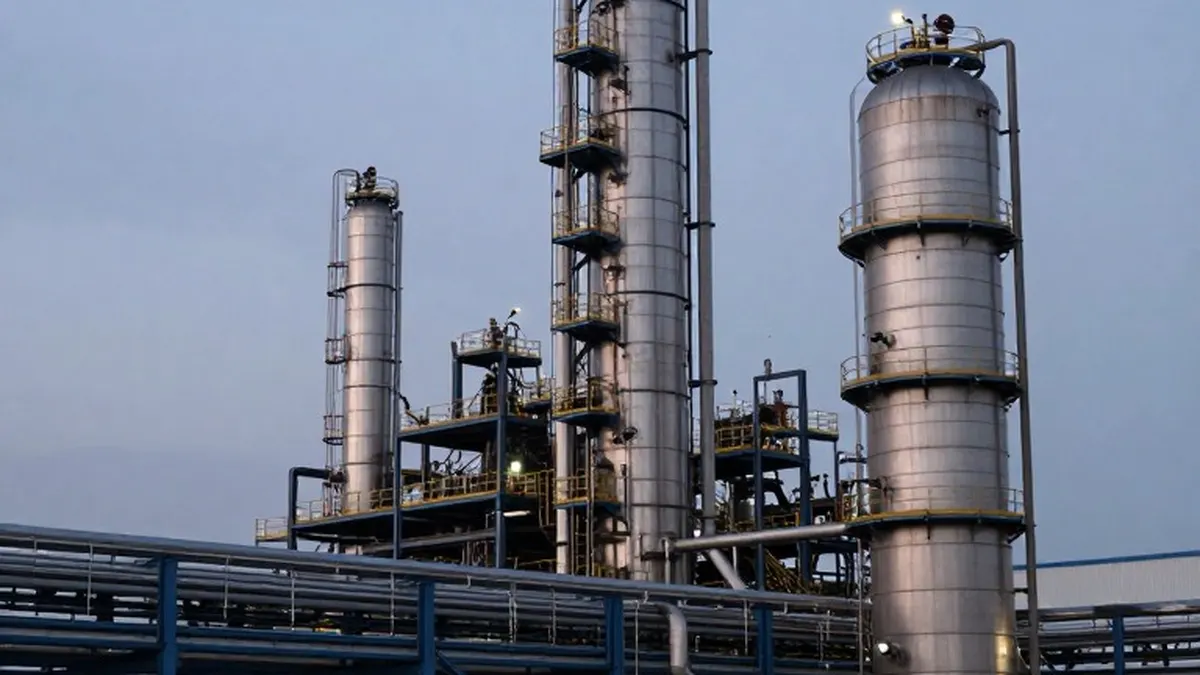
Viktor & K, a food production company operating under the Korolivskyi Smak trademark, has announced a forced suspension of its manufacturing activities. The company based in Kirovohrad Oblast stated that it is ceasing the procurement of all types of oilseeds and is implementing staff reductions. This decision marks a significant disruption in the local food supply chain as the firm navigates a challenging operational environment.
The primary drivers for this halt are the critical state of the power supply and the persistent risk of missile and drone attacks. The company explained that frequent power outages make it difficult to maintain stable plant operations. Additionally, the constant threat of strikes introduces additional safety risks for the workforce, prompting management to prioritize employee safety over continuous production.
In a statement regarding the impact on its workforce, the company acknowledged the difficulty of the situation. It noted that being forced to leave employees without work is the hardest aspect of the decision. The management emphasized that many staff members have worked with the company for years, and they recognize that each employee represents a family relying on their income.
Currently, the company is in the process of finalizing the dispatch of its finished products. It is actively halting its production lines to manage the transition. These products include sunflower oil, mayonnaise, ketchup, and other food items sold under the Korolivskyi Smak brand.
Viktor & K has made significant recent investments in its infrastructure. In 2024, the company completed the construction of a new plant for processing rapeseed and sunflower. This facility has a total processing capacity of 600 tonnes per day. Prior to this expansion, in 2023, the company finished building a dedicated rapeseed processing plant.
The company also has plans to enhance its energy independence. It intends to construct a biomass cogeneration thermal power plant designed for its own needs. This facility will have an electrical capacity of up to 8.5 MW and is planned to operate without transmitting electricity to external grids, potentially mitigating future power supply issues.
This suspension by Korolivskyi Smak occurs against a backdrop of wider disruptions in Ukraine's food industry. Kernel, the country's largest producer and exporter of sunflower oil, has already suspended operations at all its oil extraction plants. This move was a response to massive Russian strikes targeting food industry facilities.
Other major players in the sector have also curtailed operations. Delta Wilmar Ukraine has halted all production, including its oil extraction plant in Odesa Oblast. In Dnipro, the Alef Corporation's Potoky plant has temporarily suspended its activities. These concurrent halts highlight the widespread impact of the conflict on the agricultural processing sector.
The Ukroliyaprom association has stated that Russia is deliberately striking Ukraine's oil and fat industry facilities. The goal, according to the association, is to destroy this export-oriented sector. Such targeted attacks aim to weaken the country's ability to export key agricultural products.
Ukraine's processing capacity has not been fully utilized despite recent expansions. The total nameplate processing capacity in the country is approximately 23 million tonnes, but actual processing has been around 17 million tonnes. Since the start of the full-scale war, ten new oil plants have been built, yet existing capacities remain underused due to operational constraints and security threats.