UK and EU Plant Trade Deal Set to Eliminate £60m in Annual Costs
The UK and EU are set to sign a deal that will remove border checks on plant trade, saving the horticulture industry £60 million annually, according to Environment Secretary Angela Eagle.
By Marina Weber ·
Environment Secretary Angela Eagle has stated that the upcoming agreement between the United Kingdom and the European Union will effectively remove £60 million in annual expenses from the horticulture sector. The deal, which focuses on sanitary and phytosanitary measures, is expected to eliminate the majority of physical border checks and associated paperwork for plant imports and exports.
Speaking prior to a scheduled summit on 20 November, Eagle expressed confidence that the administrative burdens facing importers would vanish once the agreement is finalized. She noted that while the new rules would not refund the substantial sums businesses have already spent to comply with current border controls, it would significantly enhance the predictability of cross-channel trade. The environment secretary visited a plant nursery in Kent to discuss the potential benefits of the accord.
The introduction of border controls following the UK's departure from the EU has had a noticeable impact on the industry. According to analysis by the National Farmers’ Union, exports of British food and drink to the bloc have declined by more than a third since Brexit. Producers of eggs, chicken, and potatoes have reported being particularly affected by these changes. The new deal, largely agreed upon in May, aims to reverse these trends by streamlining the movement of goods.
The £60 million in savings, calculated by the Horticultural Trades Association, covers various operational costs including plant health inspection fees, phytosanitary certificates, document checks, port fees, and additional labor and haulage charges. However, this figure does not account for secondary costs such as late delivery penalties or sales lost due to delays and damage at ports. Eagle suggested that these direct savings could place downward pressure on food prices, though she did not guarantee a specific reduction in the cost of food for consumers.
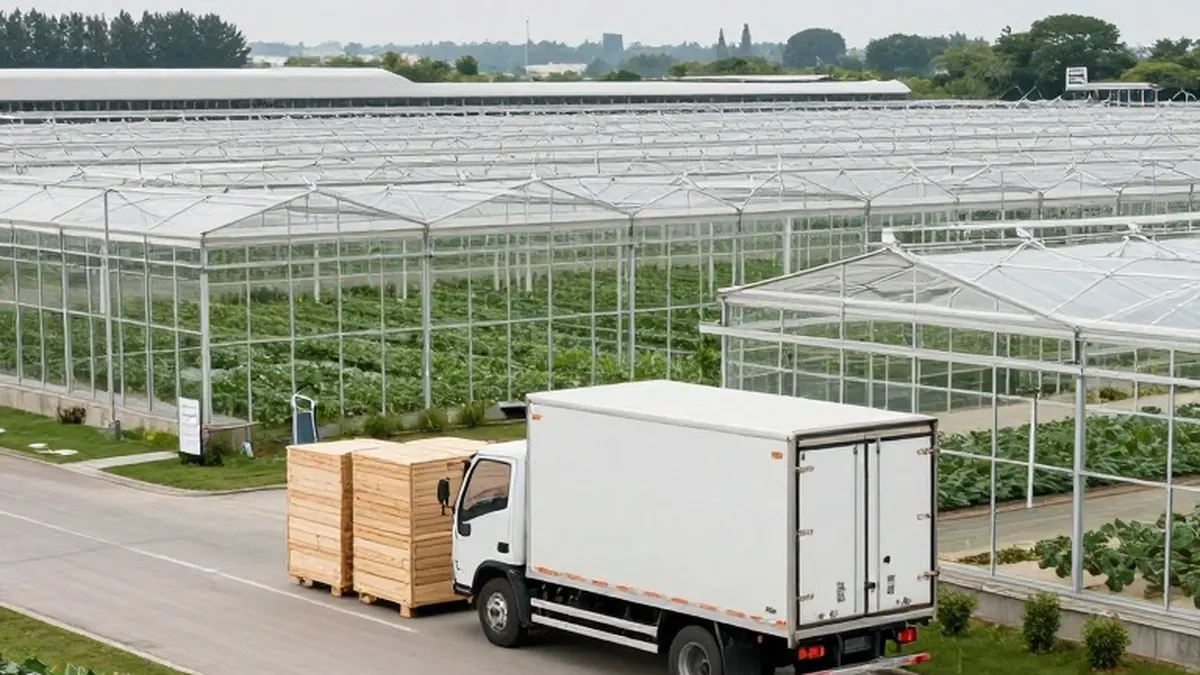
Provender Nurseries, one of the UK's largest wholesale nurseries based in Swanley, Kent, has welcomed the prospect of the deal. The company has already invested at least £500,000 in constructing a dedicated post-Brexit control post on its eight-hectare site. Richard McKenna, the managing director, explained that the business built the facility and purchased electric forklifts to manage inspections of valuable tree and shrub imports more efficiently than at government-run posts like Sevington. Although this infrastructure may become obsolete once the new rules are fully implemented, McKenna believes the deal will encourage European suppliers to resume exports to the UK.
Despite the positive outlook, the implementation of the agreement is not expected until the first quarter of 2028. This timeline means that businesses will continue to operate under the current border arrangements for more than a year. Fran Barnes, chief executive of the HTA, has called for pragmatic transition measures, such as reduced checks on lower-risk products, to assist horticulture firms during this interim period.
The delayed timeline was attributed by Eagle to a pause in negotiations following the change in UK leadership from Keir Starmer to Andy Burnham. The original target of mid-2027 was described as ambitious, and the extra time allowed for more coherent handling of complex issues, particularly regarding pesticides. The UK has continued to use certain fungicides banned in the EU, raising concerns about whether produce treated with these chemicals, such as potatoes intended for frozen chips, would need to be discarded after the deal goes live.
Eagle acknowledged that both the UK and EU are aware of these issues and that Brussels does not want to be seen as wasting food. British exporters, including seed potato producers and mussel farmers, hope the agreement will restart trade that was halted by Brexit. Adam Taylor, a director of Taylors Bulbs in Lincolnshire, noted that his company had to establish an Irish business to continue supplying the Republic of Ireland after a certification disagreement. He expressed hope that the return to pre-Brexit trade conditions would restore loyalty among his Irish customers.