Skin Changes: What They May Signal About Your Immune System
Medical experts explain how late-onset scaly patches can indicate systemic inflammation, cardiovascular risk, and the need for integrative treatment rather than simple moisturizing.
By Amir Navarro ·
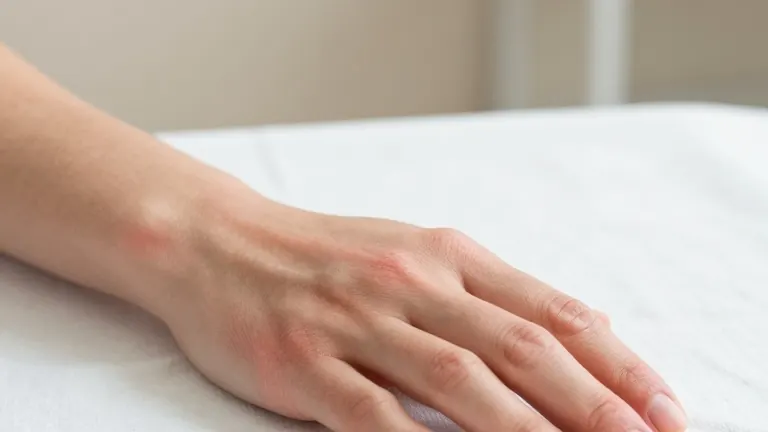
For many individuals, a patch of dry skin is a minor inconvenience. However, for those experiencing scaly plaques, redness, or itching later in life, these symptoms may signal a deeper immune response. Visible changes often include nail pitting, discoloration, or lifting, which serve as external markers of internal biological activity. Understanding these signs can change how a person approaches their daily health routine.
The condition known as psoriasis has developed or flared up for many people as they age. While it manifests on the surface, medical professionals describe it as an immune-mediated inflammatory disease rather than a purely cutaneous issue. Dr. Rhea Rogers, a board-certified physician, noted that the presence of swollen or tender joints alongside a rash is a specific clue. She explained that this combination indicates systemic inflammation is occurring underneath the skin.
The onset of these symptoms is often linked to genetic predisposition. Gerontologist Sam Cradduck, who manages her own autoimmune condition, shared that her children have developed psoriasis, with one also diagnosed with psoriatic arthritis. Cradduck described the mechanism as a predisposition being triggered by an external event, which then causes the inflammatory response to escalate. This genetic connection means that family history plays a role in who develops the condition.
Several factors can provoke a flare-up. Dr. Rogers identified stress, infection, skin injury, and specific medications as common triggers. She listed beta blockers, lithium, and antimalarial drugs as examples of medications that might contribute to the issue. Cradduck compared stress-induced flares to pre-event breakouts, noting that the same pressure causing anxiety can trigger the immune response in those with autoimmune conditions.
Beyond the skin, the condition carries additional health risks. Dr. Rogers stated that psoriasis increases the likelihood of developing cardiovascular disease and diabetes. She described the condition as a serious indicator that the body is susceptible to other health complications. This perspective shifts the focus from cosmetic concerns to broader physiological management.
Treatment strategies are moving toward an integrative model. Dr. Rogers argued that effective care requires looking at nutritional deficiencies, hormonal imbalances, gastrointestinal infections, and cortisol levels. She emphasized that the goal is not simply to suppress the immune system but to address the root causes. Aging expert Amy O’Rourke provided practical advice for daily care, recommending the use of moisturizer and avoiding long, hot showers. She also advised patients to see a doctor immediately if an infection occurs.
When flares become active, intervention is necessary. Cradduck noted that her daughter has seen good results with a prescribed cream and has not experienced a flare in some time. She stressed that active flares will not resolve on their own and require treatment. For those with joint involvement, Dr. Rogers suggested seeking care beyond a dermatologist, as the disorder becomes systemic. She advised patients to consult specialists who can look for other potential autoimmune conditions.
The National Psoriasis Foundation serves as a resource for those seeking information on causes, treatments, and lifestyle adjustments. Experts encourage patients to remain curious about what their bodies are signaling. Katherine Ambrose, an aging well coach, urged viewers to avoid judgment and instead view symptoms as feedback from the body. Monitoring unexplained changes and understanding personal triggers remains the best approach to managing the condition.