Rural Discontent Over Affordability Drove Republican Midterm Losses
Polling data reveals that rural voters' frustration with inflation and high costs was a decisive factor in the Republican midterm losses.
By Marina Weber ·
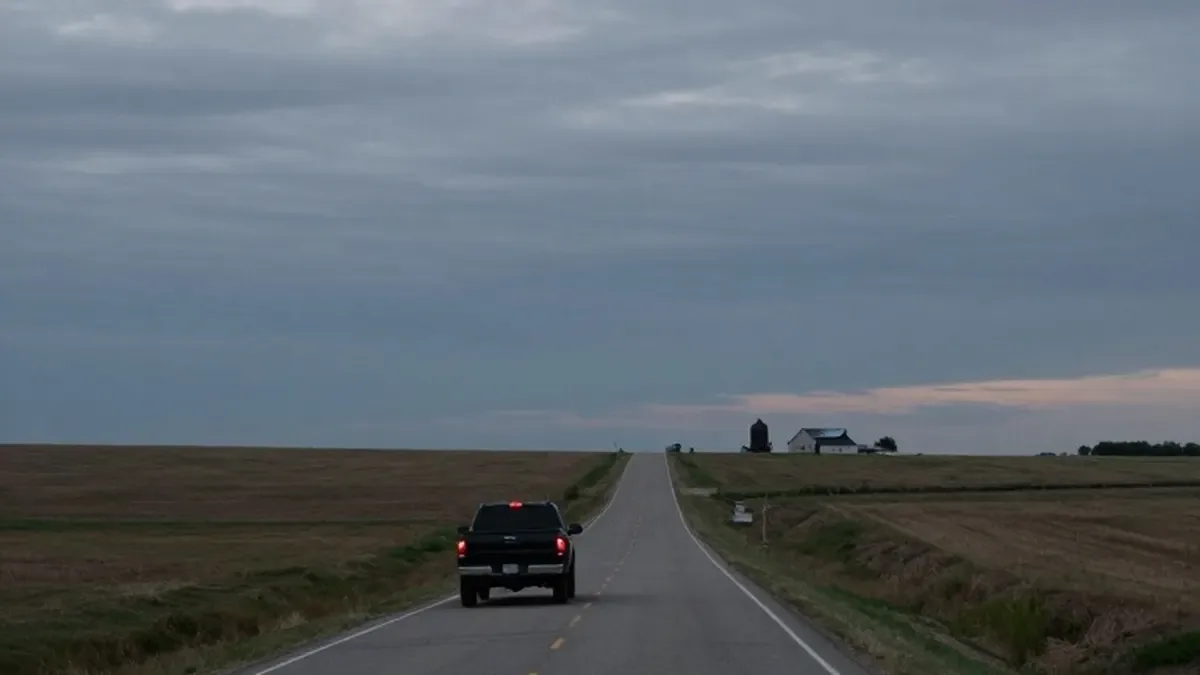
New polling data released by the Harris Poll for the Guardian reveals that economic anxiety was a primary factor in the recent midterm election results. The survey highlights a significant drop in support among rural voters, a demographic that has traditionally formed a core part of Donald Trump’s political base. This shift in sentiment appears to be a key reason why Republican candidates suffered substantial defeats on Tuesday.
Throughout the summer, the majority of Americans reported feeling the pinch of an affordability crisis, driven largely by high costs for gasoline and groceries. By October, a majority of voters believed the nation was in a recession, despite economic indicators not technically confirming such a status. This widespread perception of financial strain made it difficult for politicians to ignore the impact of inflation on the election cycle.
Specific industries and regions felt the pressure acutely. Loggers in Maine cited tariffs on Canada as damaging to their struggling sector. Meanwhile, drivers in Texas with long commutes reported spending four hundred dollars a month on fuel. In the Midwest, farmers noted that high diesel prices worsened the effects of a drought-plagued growing season. These examples illustrate how the status quo had become a source of deep discontent for key voter groups.
The negative economic outlook was not limited to Democrats and independents. Data indicates that Republican sentiment also deteriorated significantly over the year. In February, shortly before the war in Iran began, nearly half of Republicans believed the economy was improving. By October, that figure had fallen to under thirty percent, signaling a sharp decline in confidence within the party’s own base.
Rural voters experienced this financial pain more intensely than their urban and suburban counterparts. A higher percentage of rural residents stated that gas prices were hurting their finances and that they were living in economic survival mode. Many expressed fear that a single unexpected bill could cause financial ruin. Additionally, rural voters were slightly more likely to believe that Republicans had a greater problem with corruption than Democrats.
In the month leading up to the midterms, the number of rural Americans who viewed the economy negatively climbed by seventeen percent since Trump took office. This increase was far steeper than the five percent rise seen in suburbs and the three percent jump among urban voters. Despite these numbers, President Trump attempted to project a more optimistic narrative during his final campaign stops.
Speaking near the Lincoln Memorial on Monday, Trump claimed that America was ready to vote and that the country was on the right track. He asserted that gas prices were falling and wages were rising. However, the election results suggested that voters were responding to their day-to-day realities rather than the administration’s messaging. Republicans lost key toss-up races in states ranging from Maine to Texas, ceding control of Congress to Democrats for the next two years.
With this new mandate, Democrats have pledged to focus on the issues that dominated the campaign. These include the administration’s immigration enforcement, allegations of White House corruption, rising healthcare costs, and the broader economic landscape. Republicans are currently analyzing their defeat, with Vice President JD Vance attributing the loss partly to the costs associated with the Iran war.
Despite the Democratic victory, pre-election polls showed that many voters remained skeptical about which party had the best solution to the affordability crisis. A significant portion of respondents felt that neither party had a clear answer. Democrats narrowly led Republicans in this measure, but a large segment of the electorate remained undecided. This uncertainty suggests that voters will be watching closely for tangible results in the years ahead.
The current economic challenges mirror sentiments seen before the 2024 presidential election, when independent voters were also pessimistic about the state of the economy. With inflation having reached generational highs in recent years and prices continuing to rise under the current administration, many Americans feel a sense of economic burnout. As the new congressional term begins, the expectation for immediate and effective solutions to pocketbook issues will be high.
Source: The Guardian