International Court Rejects Argentina's Bid to Halt Falklands Oil Drilling
President Javier Milei reaffirmed Argentina's sovereignty claims after the International Tribunal for the Law of the Sea ruled against a request to block offshore oil extraction.
By Marina Weber ·
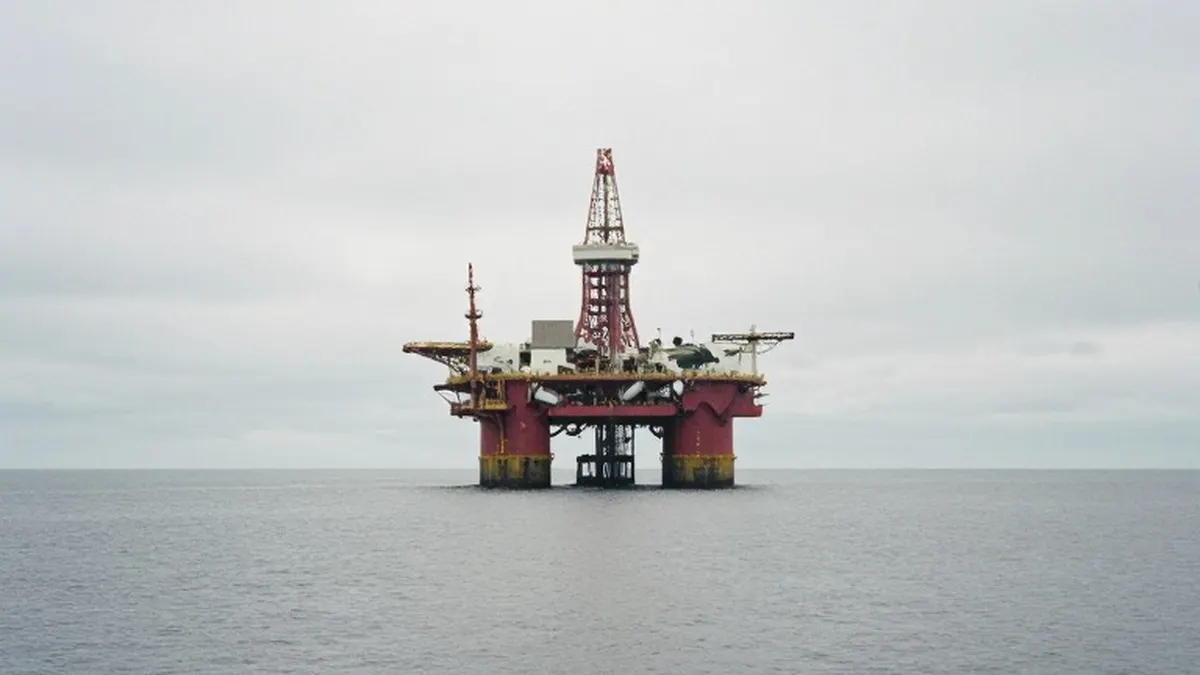
The International Tribunal for the Law of the Sea has rejected Argentina's legal challenge to an offshore oil drilling project near the Falkland Islands. The tribunal, located in Hamburg, Germany, voted 18 to 3 to determine that it did not have the necessary jurisdiction to rule on the dispute. The court stated that there was no apparent basis for its jurisdiction because it could not adjudicate on questions of sovereignty, a core issue in the long-standing territorial disagreement between the two nations.
President Javier Milei reacted to the ruling by reiterating that the Falkland Islands are Argentine. He emphasized that while his government respects the tribunal's decision, it is not the final word in the matter. Milei stated that the ruling does not legitimize the unilateral exploitation of natural resources and that his administration will continue to defend its rights within the framework of international law. He described the oil operation as a clear and present danger to Argentina's claim over the territory, which the country officially refers to as the Malvinas.
The dispute centers on the Sea Lion project, an oilfield in the South Atlantic Ocean being developed by British and Israeli companies. The site is estimated to hold approximately 1.7 billion barrels of oil. Argentina has characterized the project as an illegal exploitation of resources in waters it claims as its own. In response to the drilling plans, the Argentine president previously imposed economic sanctions on individuals and firms involved in oil exploration in the region and described their activities as unlawful.
The UK has indicated that drilling at the field, located roughly 140 miles north of the islands, is scheduled to begin in March 2027. Oil extraction is expected to start a year later. The International Tribunal for the Law of the Sea is an independent body established under the 1982 UN Convention on the Law of the Sea. Although it can issue legally binding emergency orders, the tribunal lacks the mechanisms to enforce those decisions directly.
Following the announcement, UK Foreign Secretary Ed Miliband and Attorney General Ellie Reeves urged Argentina to respect the right of the Falkland Islanders to determine their own future. They also called for an end to the broader economic pressure applied by Buenos Aires against the islands, which have been a British overseas territory since 1833. The recent court decision marks the latest chapter in a series of tensions between the two countries, which fought a ten-week war in 1982 over control of the archipelago.
The ruling was read on Saturday by tribunal president Maurice Kamga during a special hearing. During an earlier hearing this month, Argentina argued that drilling should be suspended until the sovereignty issue was resolved. The country had requested a temporary injunction to be issued until a full arbitration hearing could take place. Kamga noted that the Saturday decision does not prejudice the outcome of the broader case, and a further hearing on Argentina's bid is expected at a later date.
The local population has consistently expressed a preference to remain under British administration. In a referendum held in 2013, 99.8 percent of voters chose to remain an Overseas Territory. Despite this clear local sentiment, the diplomatic and legal standoff continues, with both nations maintaining their respective positions on the management and exploitation of the region's significant natural resources.