UK marks centenary of World War I armistice with national remembrance
The United Kingdom observed Remembrance Day to honor the soldiers who died in the First World War, recalling the tragic events of the final day of the conflict in 1918.
By Vanessa Lopez ·
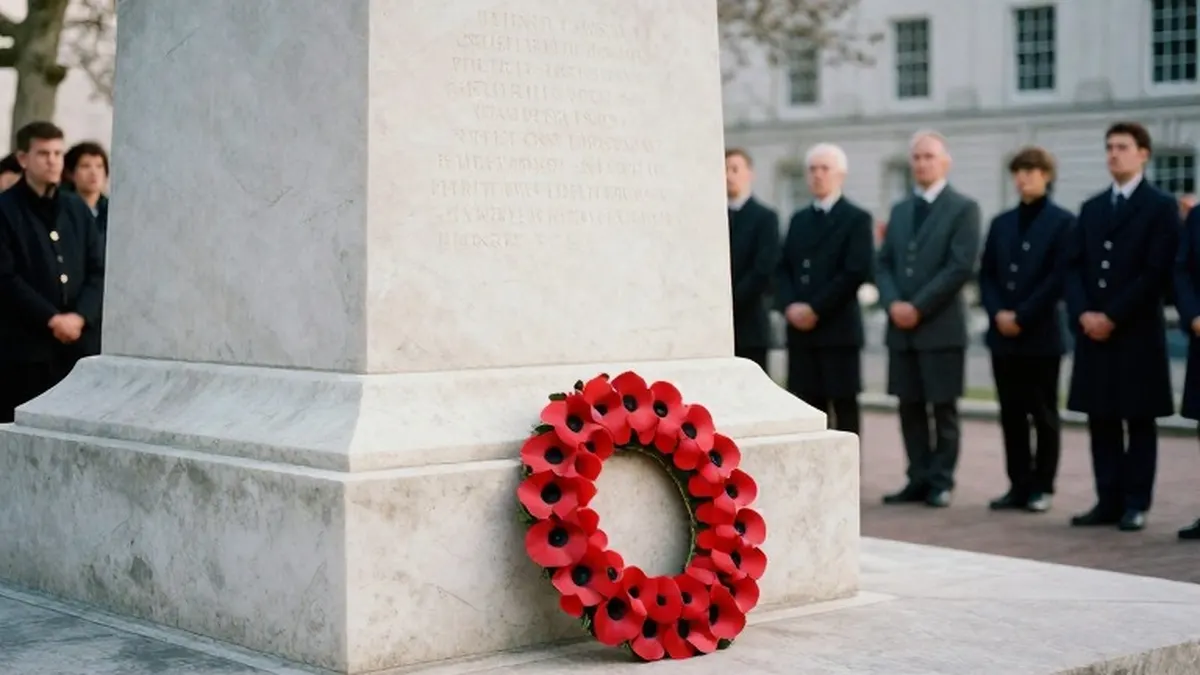
The United Kingdom observed Remembrance Day on Wednesday with solemn ceremonies held across the country to honor the fallen soldiers of the First World War. The annual commemoration serves as a profound reminder of the human cost of mechanized warfare, a legacy that continues to resonate more than a century after the Western Front fell silent. The day marks the anniversary of the armistice that ended the global conflict.
On November 11, 1918, representatives from France, the United Kingdom, Russia, and Germany signed an agreement to end the hostilities of World War I. The war, which had raged for four devastating years, claimed an estimated 20 million lives. At the time, it was described as the greatest conflict in human history and was famously dubbed the war to end all wars.
The final hours of the conflict were marked by intense fighting and tragic irony, with many soldiers losing their lives in the moments just before the ceasefire took effect. Military historians estimate that approximately 10,900 casualties occurred on that last day. Of that number, an estimated 2,738 soldiers died between the signing of the armistice agreement at 5:00 a.m. and the official start of the ceasefire at 11:00 a.m.
One of the most poignant stories from that final morning involves Pvt. Henry Nicholas Gunther, a 23-year-old American soldier from Baltimore, Maryland. He was killed in France at 10:59 a.m., just one minute before the guns fell silent. Gunther had previously been demoted from the rank of sergeant after a letter home was intercepted by Army postal censors. In the correspondence, he had described the miserable conditions on the front and advised a friend to avoid being drafted.
In recognition of his service and sacrifice, the US Army posthumously restored Gunther's rank of sergeant and awarded him the Distinguished Service Cross. His story is often cited as a symbol of the relentless nature of the war, which continued to claim lives even in the final moments before peace was formally established.
Pvt. George Edwin Ellison is recognized as the last British soldier to be killed in action during the war. He was shot by a sniper at 9:30 a.m. while on patrol near Mons, Belgium. In a striking historical alignment, his grave is located opposite that of Pvt. John Henry Parr, who is recognized as the first British soldier to be killed in the conflict. This physical proximity serves as a stark reminder of the full arc of the war's impact on British forces.
On Wednesday, King Charles led the national commemorations, joining members of the Royal Family, politicians, and veterans for the main ceremony. The monarch laid a wreath at the Cenotaph in Whitehall, central London, a traditional gesture of respect for the fallen. The event brought together civic leaders and members of the public to reflect on the sacrifices made by Britain's soldiers in its various wars.
A two-minute silence was observed at 11 a.m. across the United Kingdom, coinciding with the moment the armistice took effect in 1918. This pause in daily life allowed citizens to reflect on the enduring warning of 1918 against the escalation of global violence. The silence serves as a collective moment of remembrance for those who gave their lives to end the war.
The ceremonies highlight the continued relevance of the First World War in shaping modern memory and international relations. As nations look back on this period of history, the focus remains on the devastating toll of the conflict and the importance of remembering the individuals who lived and died during it. The armistice remains a pivotal moment in the timeline of the twentieth century.
The observance of Remembrance Day continues to be a central part of the cultural and civic calendar in the UK. It provides an opportunity for communities to come together, honor their veterans, and educate new generations about the events that defined the early part of the last century. The stories of soldiers like Gunther and Ellison ensure that the personal costs of the war are not forgotten in the broader narrative of history.