Demolition of Hero Youssef Ziadna's Family Homes Sparks Negev Crisis
Three years after rescuing dozens at the Nova festival, the Bedouin hero's family faces eviction as part of a broader enforcement campaign in southern Israel.
By Amir Navarro ·
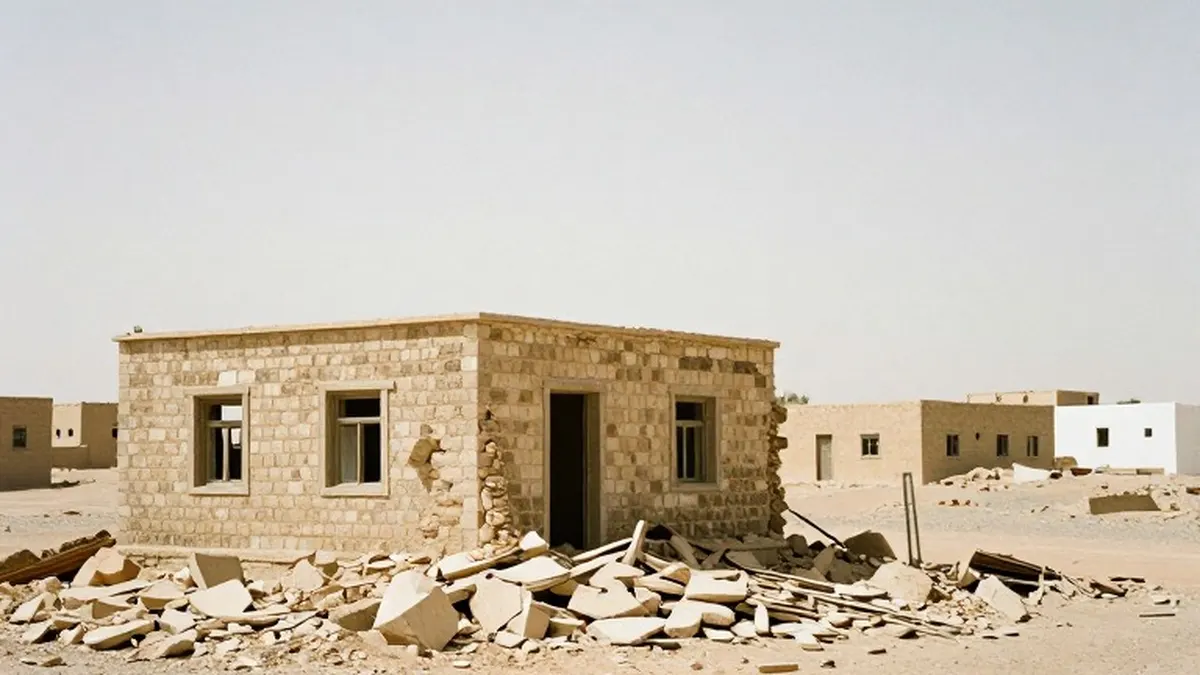
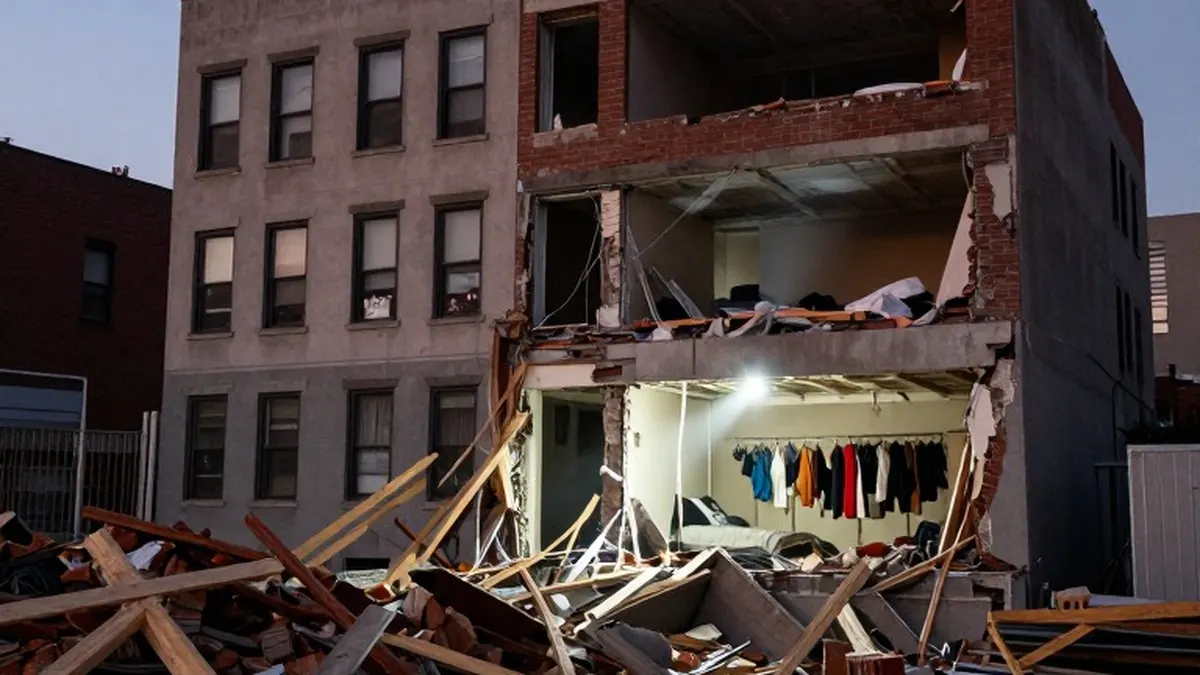
Three years after Youssef Ziadna risked his life to rescue 30 Israelis during the Hamas attack on the Nova music festival, Israeli authorities have demolished homes belonging to members of his family in the unrecognized village of al-Ziadna. Ziadna, who was awarded Israel's highest civilian honor for bravery by President Isaac Herzog, expressed that the government's strict crackdown on illegal construction has made his national recognition feel hollow. He stated to the Jewish Telegraphic Agency that despite their sacrifices on October 7, the family still faces the challenges of being Arab in the country.
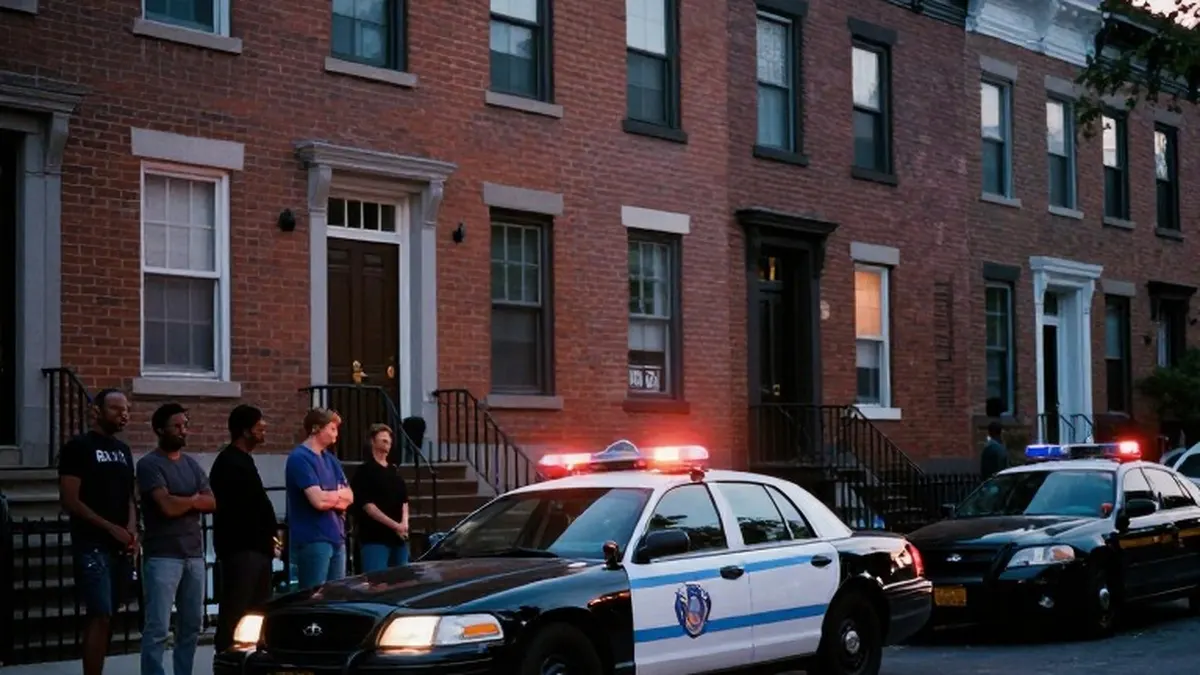
The demolitions affect branches of Ziadna's extended family, many of whom suffered significant losses during the attack. His cousin, also named Youssef, was abducted to Gaza with three children. Two were released after 55 days, but the father and another son, Hamza, were killed in captivity. Their relatives have since seen their homes and other structures demolished. Additionally, authorities posted eviction notices on five more homes in al-Ziadna, including the home of Aatef al-Ziadna, whose son was murdered at Zikim beach on October 7. The president's office confirmed receiving requests from the family and described them as a bereaved family who suffered grievous losses.
The situation in al-Ziadna highlights long-standing tensions regarding Bedouin housing in the Negev desert. An estimated 90,000 Bedouins live in dozens of unrecognized villages, often lacking reliable water, electricity, and sewage systems. Because many of these settlements predate the creation of Israel in 1948 and lack official recognition, their homes are deemed illegal and vulnerable to demolition. A complex bureaucratic process involving multiple agencies has slowed legalization efforts, a problem exacerbated in recent years by government figures with anti-Arab sentiments.
The enforcement campaign has intensified under Prime Minister Benjamin Netanyahu's government, championed by National Security Minister Itamar Ben Gvir. Between 2023 and 2025, approximately 14,280 unauthorized structures were demolished in the Negev, an 81 percent increase over the previous three years. Ben Gvir stated that more schools would be needed to house displaced families if demolitions continued to rise. This surge in enforcement has fueled anger among residents, contributing to a significant increase in voter turnout in the October 27 parliamentary election. In the southern city of Rahat, participation jumped from 60 percent in 2022 to 85 percent, with the Arab party Ra'am winning the majority of votes in the area.
Rahat Mayor Talal al-Krenawi attributed the high turnout to frustration over demolitions, hoping the new government would coordinate better with Bedouin communities. The al-Ziadna neighborhood was included in a government-approved plan in 2021 to incorporate it into Rahat, providing for nearly 1,900 housing units. However, the Bedouin Settlement Authority stated that no residential plots have been allocated yet, citing delays caused by residents interfering with surveyors and archaeological work. Al-Krenawi countered that unresolved land ownership claims were the primary obstacle.
Critics have weighed in on the state's approach. Former ambassador Michael Oren criticized the inconsistent application of laws in the Negev, arguing that Bedouin residents should pay for allocated land just like Jewish Israelis. He acknowledged the state's failure to provide adequate economic and educational opportunities. Meanwhile, Haggai Reznik of the Rifman Institute warned that the lack of regularization could lead to security threats, suggesting the Negev could become a separate entity without a national emergency plan. The Regional Council for Unrecognized Villages in the Negev condemned these remarks as a blood libel, arguing that poverty and crime are results of longstanding neglect.
Legal experts note that government housing plans often do not suit the traditional Bedouin way of life. Marwan Abu Frieh of the legal rights group Adalah explained that the state often forces families from agricultural land into dense urban neighborhoods. Ziadna, a father of seven, dismantled a warehouse on his property to avoid fines, noting that his extended family lives together and shares resources. He emphasized that his family has lived in the area since the British mandate and feels treated as invaders despite their long-standing presence. The Bedouin Settlement Authority maintains that the demolished buildings were new and illegal construction, urging residents to advance regularization to reduce the need for enforcement actions.