Missing teenager found alive after six days in Australian woodland
A helicopter crew located the 17-year-old beside a creek near Walhalla after a search involving more than 100 emergency workers and volunteers.
By Marina Weber ·
A 17-year-old boy who had been missing for six days in woodland in eastern Australia was found alive on Thursday and reunited with his mother. Police identified the teenager, who has autism, only as William and said he was in good spirits and generally in good health following his rescue.
William disappeared last Friday during a camping trip with another teenager near Walhalla, a former gold-mining town about 185 kilometres east of Melbourne. His mother, Elizabeth, had taken the pair there for the weekend. According to police, William left the campsite to retrieve additional camping equipment from the nearby place where they had been dropped off, but did not return to his friend.
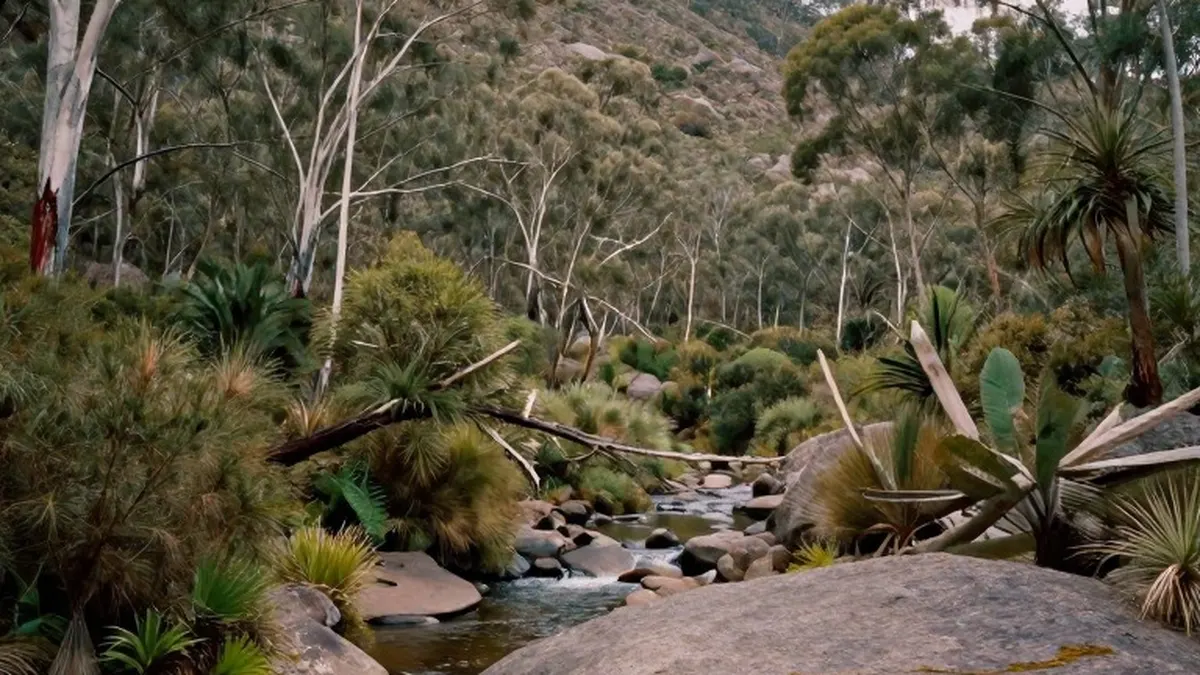
The search brought together more than 100 emergency services workers and volunteers. A police helicopter crew eventually spotted William sleeping on a flat rock next to a creek, with wilderness surrounding him. Footage recorded from the helicopter showed him without a shirt and with sunburn. He still had shorts and boots on and had been covering himself with towels.
Acting Police Inspector Jason Benbow said William had spent days walking up and down very steep ground after losing his way. For the final two days, he remained beside the creek because the slopes around him were too steep for him to leave. The location was 2 kilometres from his campsite.
Benbow told reporters that the helicopter's sound woke William, who responded to the crew with a thumbs-up. Rescuers then lifted him out using a winch. Police said he was subsequently taken to hospital so that his health could be monitored.
Elizabeth expressed her relief to reporters after her son was found. "I'm just over the moon that he's alive," she said. She also joked that he would be grounded for the rest of his life and would never be allowed to leave the house again.
His family has said William has Level 2 autism. Australian advocacy group Autism360 describes that level as requiring substantial support. People with Level 2 autism may experience marked difficulties with verbal and non-verbal social communication and depend heavily on familiar routines and predictable activities. Changes to those patterns can cause significant distress.
Conditions in the alpine area had been mild during the preceding week of Southern Hemisphere spring, with little rainfall while William was missing.