Louisiana Health Data: Contact Lenses Linked to Permanent Vision Loss in Five
State officials report ten Acanthamoeba infections since 2024, including one death, and advise lens wearers to avoid water exposure.
By Vanessa Lopez ·
Five residents of Louisiana have lost vision permanently due to a rare eye infection, according to state health data released this week. The Louisiana Department of Health identified ten total cases of Acanthamoeba infections since 2024. Eight of those cases involved the eyes. Seven of the eight patients with eye infections wore contact lenses. Five of those lens wearers suffered permanent damage to their sight. The remaining two infections occurred in 2026. One patient developed a sinus infection, while the other contracted a brain infection. The patient with the brain infection died. Both patients had underlying medical conditions. Officials said the patients were located throughout the state but did not release specific locations to protect privacy.
Theresa Sokol, the state epidemiologist for the Louisiana Department of Health, explained that Acanthamoeba are free-living, single-celled organisms. She noted that these microbes exist in soil, dust, fresh water, and salt water. They are also present in swimming pools, drinking water systems, and heating and ventilation units. Sokol stated that most people encounter the amoeba during their lives without falling ill. However, for a small number of individuals, the organism can cause serious infections in the sinuses, brain, skin, or eyes. The eye infections are severe but rarely spread to other body parts or result in death. The fatal case in 2026 was a brain infection, a condition that is often difficult to diagnose and treat.
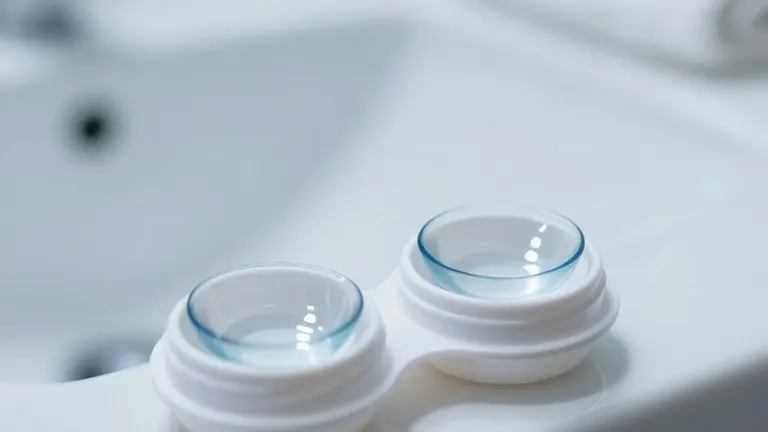
The link between contact lenses and eye infections is direct. Sokol explained that lenses can absorb and hold water. If a lens comes into contact with tap water, pool water, or other sources containing the amoeba, the organisms can latch onto the lens or become trapped beneath it. Because the lens sits directly against the cornea, this creates a pathway for infection. Some affected individuals did not follow proper lens hygiene or wore their lenses while swimming or showering. Sokol said that getting water in the eyes while not wearing lenses has not been shown to be a risk factor. However, people with recent eye trauma or surgery might have openings that allow the amoeba to enter.
Symptoms of an Acanthamoeba eye infection can mimic common eye problems. These include pain, redness, blurred vision, light sensitivity, and excessive watering. Sokol advised patients to seek medical care if they experience these symptoms. Prescription treatments are available, and earlier intervention improves outcomes. Symptoms can appear days or weeks after exposure, making it difficult to pinpoint the source. Diagnosis requires testing fluid from the eye, a brain biopsy, or other specimens to detect the amoeba's genetic material. Skin and sinus infections are often treatable but can spread, making them harder to manage. Brain infections remain the most challenging to treat, though some patients have survived with prompt diagnosis.
State officials also warned about the use of tap water in medical devices. Using tap water for nasal irrigation is a known risk factor for sinus and brain infections. Sokol recommended using sterile, distilled, or boiled and cooled water for these procedures. People using devices like CPAP machines should follow manufacturer instructions regarding water safety. Sinus and brain infections primarily affect individuals with weakened immune systems. These conditions include HIV, AIDS, history of organ transplant, cancer, and diabetes. Sokol emphasized that people with these conditions need to be particularly careful with the type of water they use. Showering with tap water remains safe, and there is no risk from swallowing or drinking tap water. The amoeba requires a very high level of chlorination to die, which is not practical for standard drinking water systems.