Hezbollah pours fresh tens of millions into drone production
The Lebanese militia has spent three months repairing command structures and manufacturing explosive drones using new cash from Tehran.
By Marina Weber ·
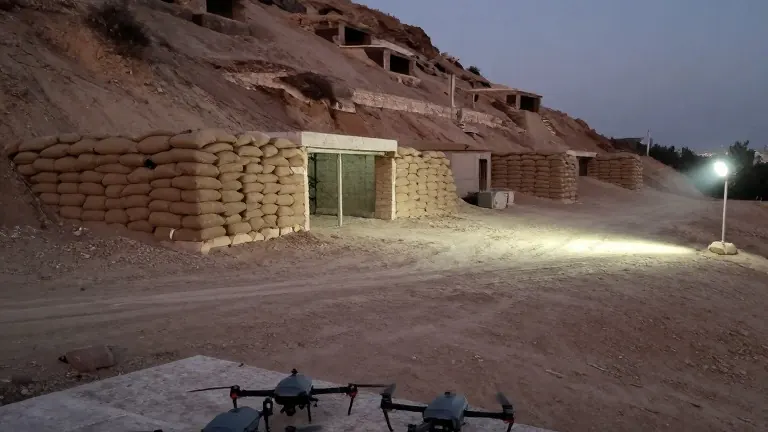
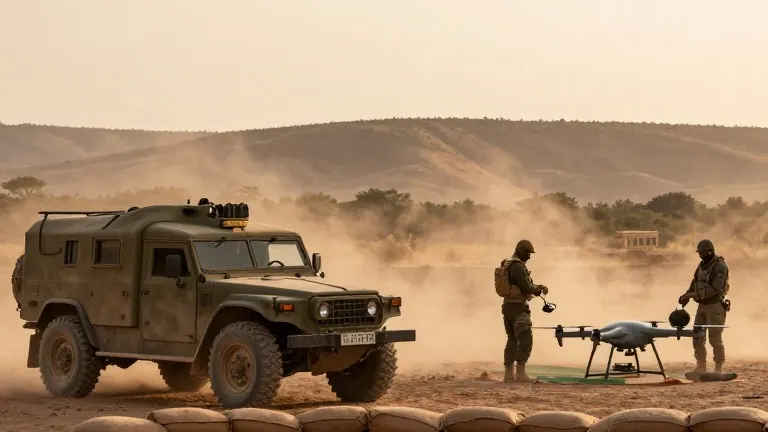
Hezbollah has spent the last three months rearming and preparing for renewed conflict with Israel following a new financial injection from Iran, according to Lebanese security personnel. The group is focusing its efforts on procuring explosives and building drones capable of penetrating the Israeli security zone in southern Lebanon. This buildup occurs after a six month pause in major hostilities that began in June.
Sources close to the group indicate it has received tens of millions of dollars in fresh funding from Tehran. This recent transfer adds to the approximately 200 million dollars Hezbollah previously received from Iran, a sum reported by Reuters earlier in October. The money is being directed specifically toward boosting military capabilities and restoring operational readiness.
The militia, founded by the Iranian Islamic Revolutionary Guard Corps in 1982, has suffered severe losses in two wars with Israel since 2024. Thousands of fighters and many senior leaders have been killed, and a large portion of its arsenal was destroyed. Despite these setbacks, the group remains committed to attacking Israel and is using the current lull to rebuild its strength.
Security officials say the group is working to restore command and control structures that collapsed during key battles. One Lebanese security source and three other officials familiar with the group's operations described efforts to fix these gaps. In response to questions from Reuters, Hezbollah's media office rejected the notion that its command systems had broken down.
The rebuilding effort is happening against a backdrop of continued regional tension. The wider Middle East conflict was ignited by the US and Israeli war with Iran, which started in February. Hezbollah joined the fight on March 2, leading to an Israeli response and the evacuation of many members of its Shi'ite Muslim constituency from southern Lebanon.
Hostilities largely stopped over the summer due to an interim Iran and US deal that included a Lebanon ceasefire. Washington mediated talks between Lebanon and Israel, preventing a full scale return to war despite the later collapse of the US Iranian agreement. Israel continues to strike Hezbollah targets in the south, and the militia is on alert for a possible US Iran escalation that could reignite the Lebanese front.
Lebanese authorities have recently seized explosives belonging to Hezbollah, confirming the group is still restocking its weapons. A Hezbollah official and a Lebanese security source told Reuters that the seized materials were intended for explosive drones. The group has not yet fully prepared its stockpiles or fighting force for a potential new war.
Command and control repairs are a priority after losses on specific fronts, including the town of Bint Jbeil and the Ali al-Taher ridge. Sources said that tactics involving small units and rationed anti tank rockets left some fighters isolated. They struggled to confront Israeli remotely operated systems, which include weaponized drones and armed remote controlled vehicles. The Israeli military stated it uses these systems to monitor southern Lebanon and reduce exposure for its troops.
The US State Department said Washington would continue to strangle Hezbollah's finances through sanctions. A US Treasury spokesperson noted that Iran is running out of money and ways to move it. Hezbollah has not explicitly stated whether it will join fresh hostilities, but its media office said it was wary of giving Israeli leaders justification to escalate efforts against the group.
Source: The Jerusalem Post