Ukrainian Leader Warns U.S. Security Proposal Could Aid Russia
President Zelenskyy cautioned that a new European security framework proposed by Washington might allow Moscow to weaken NATO and redraw borders, while Ukrainian forces struck a key oil facility in Russia.
By Vanessa Lopez ·
Ukrainian President Volodymyr Zelenskyy issued a warning on Saturday regarding a potential new security framework for Europe that the United States has proposed to help end the war with Russia. He argued that such discussions could inadvertently benefit Russian President Vladimir Putin by allowing Moscow to weaken the North Atlantic Treaty Organization and reshape the continent's geopolitical map.
Speaking to reporters on Friday, with comments released under an embargo until Saturday, Zelenskyy described the situation as potentially dangerous. He suggested that Moscow is more interested in reopening broad questions about European security than simply focusing on ending the current conflict. The Ukrainian leader stated that Putin's desire to change borders in Europe is a fact and forms part of his concept for revising security guarantees.
Zelenskyy highlighted that the U.S. had asked for the first time whether Ukraine would withdraw from parts of the Donbas region not currently controlled by Russia if Kyiv were admitted to NATO. He reiterated that Ukraine would not surrender its territory and rejected the idea of committing to neutrality, noting that such a status would require a constitutional change. He emphasized that Ukraine is not currently in NATO and should not be expected to become neutral.
Ukraine is currently negotiating a comprehensive security package with its partners. This proposal could include specific guarantees from NATO and the European Union, alongside strong military and financial support for a defined period. The package would also feature a recovery plan. Zelenskyy stated that if the American side confirms these terms with other NATO partners, he would consult with Ukrainian society to determine if they accept the arrangement. He clarified that any deal would not involve recognizing occupied territories as Russian.
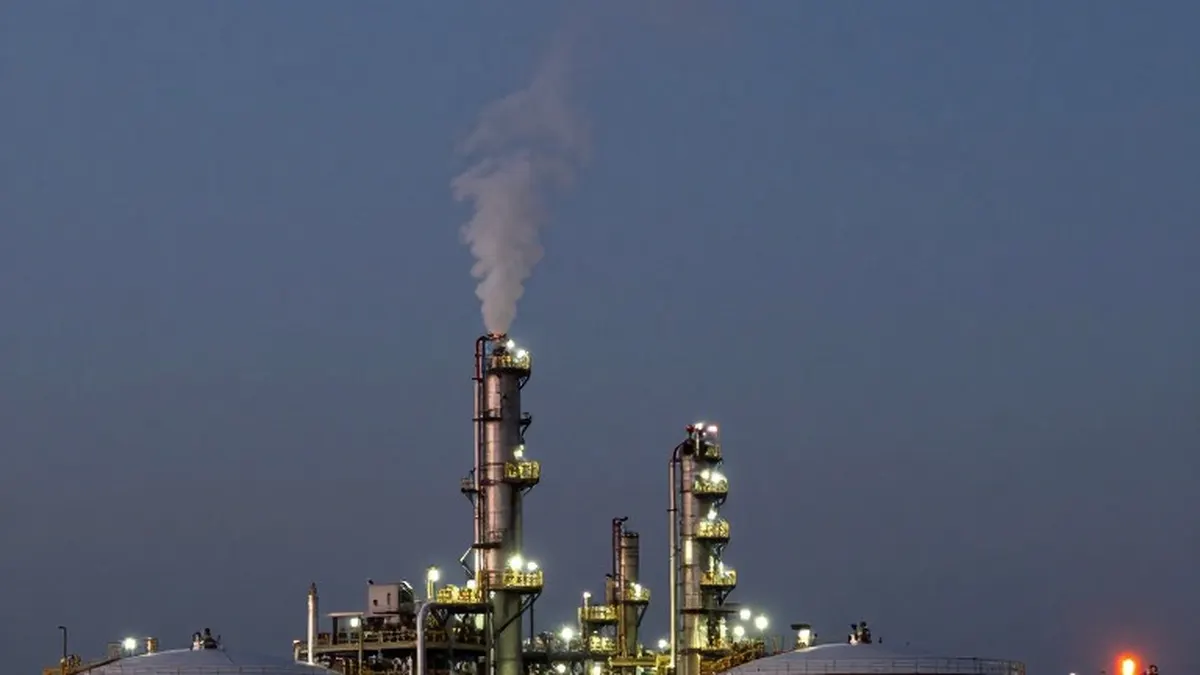
In a separate military development, Ukrainian forces struck a major Russian oil facility on Saturday. According to a statement from Ukraine's General Staff, the attack targeted the Samara oil pipeline station near the village of Prosvet in the Samara region. The strike set several oil storage tanks on fire. Moscow had not commented on the incident as of the report. The military also announced a strike on the Lipetsk-2 airfield in the Lipetsk region.
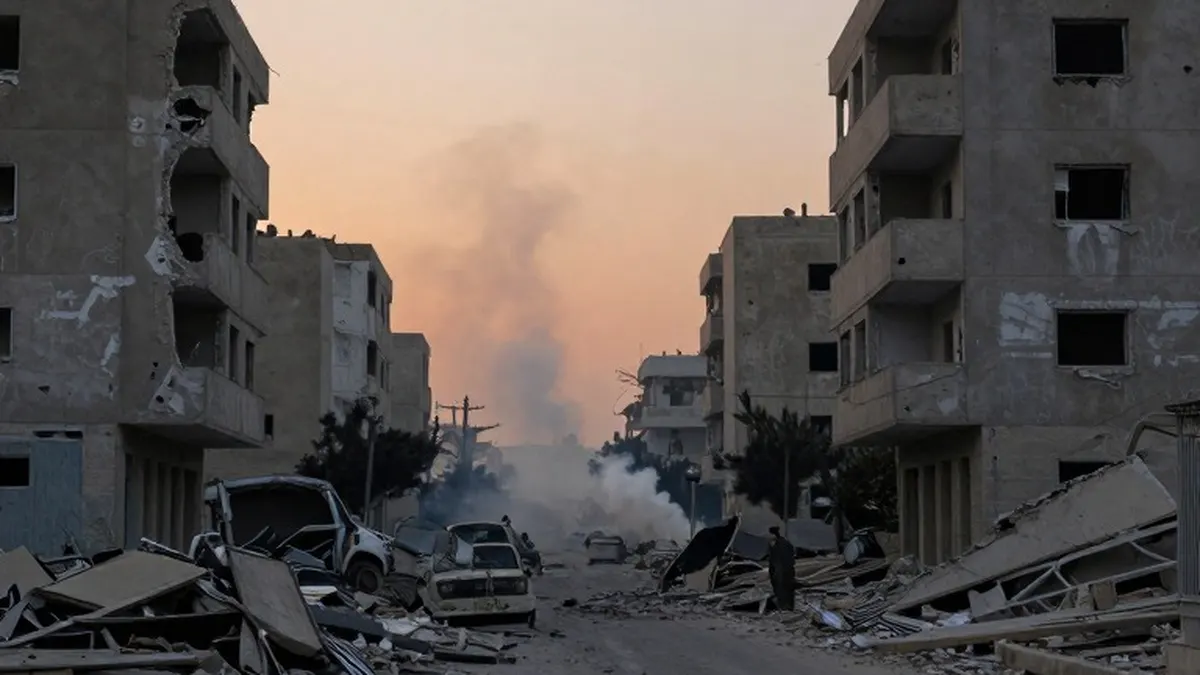
The Samara facility is a critical component of the network used to export Russian oil to global markets. These strikes coincide with a Russian attack on the southeastern Ukrainian city of Zaporizhzhia on Friday, which injured 22 people, including three children. The injured include a six-month-old baby, a two-year-old girl, and a 12-year-old boy, according to Ukraine's Emergency Service.
Zelenskyy warned that broader security discussions could lead Putin to demand changes to NATO's military presence, such as the withdrawal of American troops. He noted that Putin had raised similar ideas with former U.S. President Joe Biden in 2021. The Ukrainian president predicted Putin would bring up Finland, Sweden, Hungary, and the presence of U.S. troops in the Baltic states. He insisted that any changes to Europe's security arrangements must be decided by European NATO members only after the war concludes.
During meetings in Abu Dhabi this week, Zelenskyy outlined Ukraine's priorities, including an energy ceasefire, reopening the Black Sea, and prisoner releases. He expressed frustration that Russian negotiators lacked full authority and were unwilling to accept an energy ceasefire. However, he noted that talks in Moscow with U.S. negotiators resulted in an agreement to exchange more than 1,000 prisoners of war from each side.
Zelenskyy also addressed the role of European nations in peace talks. He stated that Washington supports Ukraine's demand for European countries to participate directly in future negotiations rather than remaining on the sidelines. Representatives from Britain, France, Germany, and Italy attended the Abu Dhabi meetings. Kremlin spokesperson Dmitry Peskov said Moscow was open to European participation, adding that it would help Russia understand how their stance could aid the peace process.
Finally, the Ukrainian president raised concerns about restrictions on the Starshield satellite system in Russian-occupied territories. He accused SpaceX of imposing limitations that are hampering efforts to intercept Russian drones. Zelenskyy questioned the technical nature of the issue, suggesting the restrictions were imposed by SpaceX despite previous assurances from U.S. Secretary of State Marco Rubio that the system was under U.S. government control. He called for a thorough investigation into the matter.