EU unveils 22nd sanctions package targeting Russian banks, shadow fleet, and sports
European Commission President Ursula von der Leyen announced a new wave of restrictive measures on November 23, focusing on financial infrastructure, energy services, and the participation of Russian athletes in European events.
By Marina Weber ·
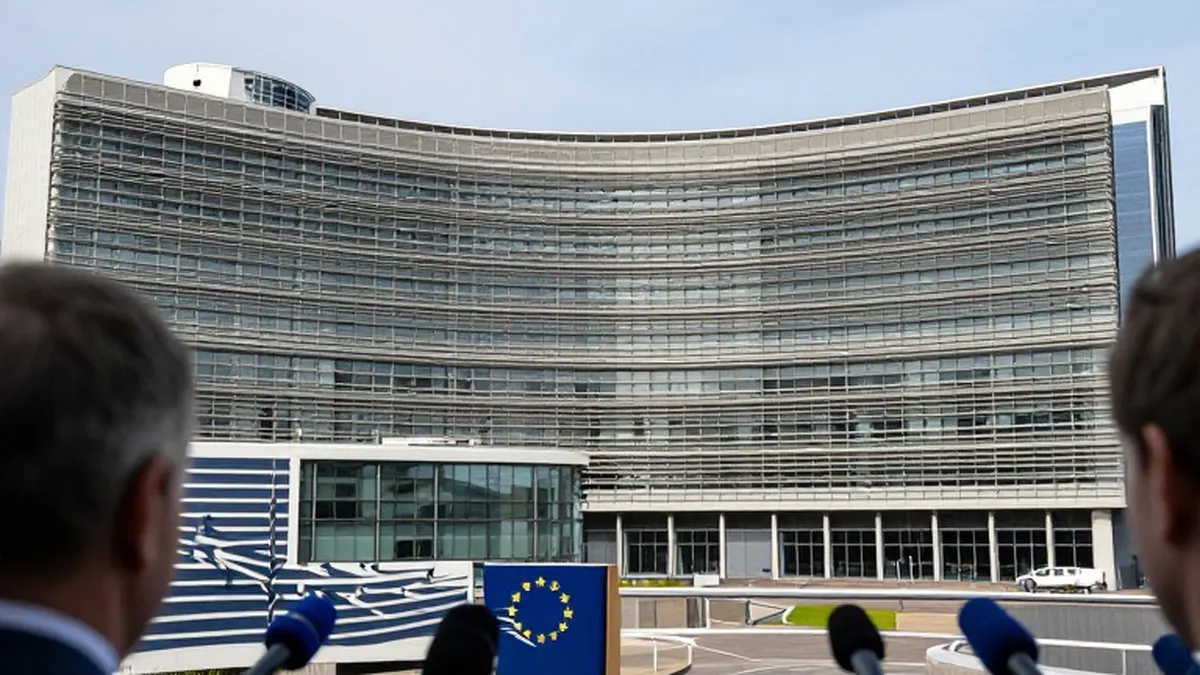
European Commission President Ursula von der Leyen presented the European Union's 22nd sanctions package against Russia on Monday, November 23. The new set of measures aims to intensify pressure on Moscow across three primary areas: financial systems, energy infrastructure, and cultural participation. Von der Leyen stated that the bloc is striking harder at the methods Russia uses to finance its war by targeting specific banks and cryptocurrency platforms.
A significant component of the package involves extending the transaction ban to approximately 60 Russian banks. All of these institutions will be removed from the SWIFT messaging system. Additionally, the EU plans to crack down on crypto and payment networks. The commission intends to focus not only on Russia but also on third countries that assist Moscow in evading existing sanctions. To support this effort, a Crypto Sanctions Task Force has been launched to align actions with international partners.
The energy sector will also face tighter restrictions. The new package expands the ban on energy services, preventing any European company from helping Russia build, operate, or repair its energy infrastructure. This prohibition includes oil refineries and, for the first time, electricity supply services. These changes are designed to further isolate the Russian economy and limit its ability to maintain critical infrastructure with European support.
Maritime trade is another key target of the new measures. The EU will add more than 70 vessels to the blacklist of Russia's shadow fleet. Furthermore, the European Commission is proposing a ban on the use of tankers that are insured in Russia. These steps aim to tighten enforcement and reduce the logistical capabilities available to Russian exporters.
In a notable shift regarding personnel, the commission proposed a visa ban for former participants in Russia's war against Ukraine. Von der Leyen noted a recent escalation in non-conventional kinetic activities by Russian operatives in Europe. She described Russian ex-combatants as a security risk, stating that they should not be allowed to move freely across European countries. Consequently, entry into the EU will be off-limits for these individuals.
Corporate governance rules are also being updated. Under the proposal, European citizens will be prohibited from continuing to hold positions on the governing bodies of companies based in Russia. This measure seeks to reduce the influence of EU nationals in Russian corporate leadership structures.
The sports and cultural sectors will see significant changes as well. The commission proposes banning Russian teams and athletes who compete under the Russian flag from taking part in sporting events on EU territory. The display of official Russian symbols will also be prohibited. Additionally, financial flows from Russian sponsors to European-based sports and cultural associations will be restricted. There will also be new limits on Russians holding posts in governing bodies of European sports federations.
These moves align with recent actions by individual member states. Finland has recently tightened entry restrictions on Russian athletes, including those with neutral status. On November 13, Estonia confirmed it would not allow Russian and Belarusian athletes to compete on its territory. Norway has also announced its intention to ban Russian and Belarusian professional athletes and their support staff from entering the country for sporting events.
Von der Leyen emphasized that the EU is doubling down on enforcement to ensure these sanctions are effectively applied. By isolating Russia further and shutting the door on its participation in European sports and cultural events, the bloc aims to increase the economic and social costs of the conflict for Moscow.
The presentation of this 22nd package marks a continued effort by the European Union to adapt its strategy in response to evolving circumstances. The focus on crypto assets, shadow fleets, and personnel restrictions highlights a broader approach to closing loopholes and maintaining pressure on the Russian government.