Trump: Nuclear Deal with Xi and Putin Will Be Difficult to Reach
The US president stated that while he values the concept of limiting nuclear arsenals, the psychological and strategic hurdles make a trilateral agreement challenging to negotiate.
By Vanessa Lopez ·
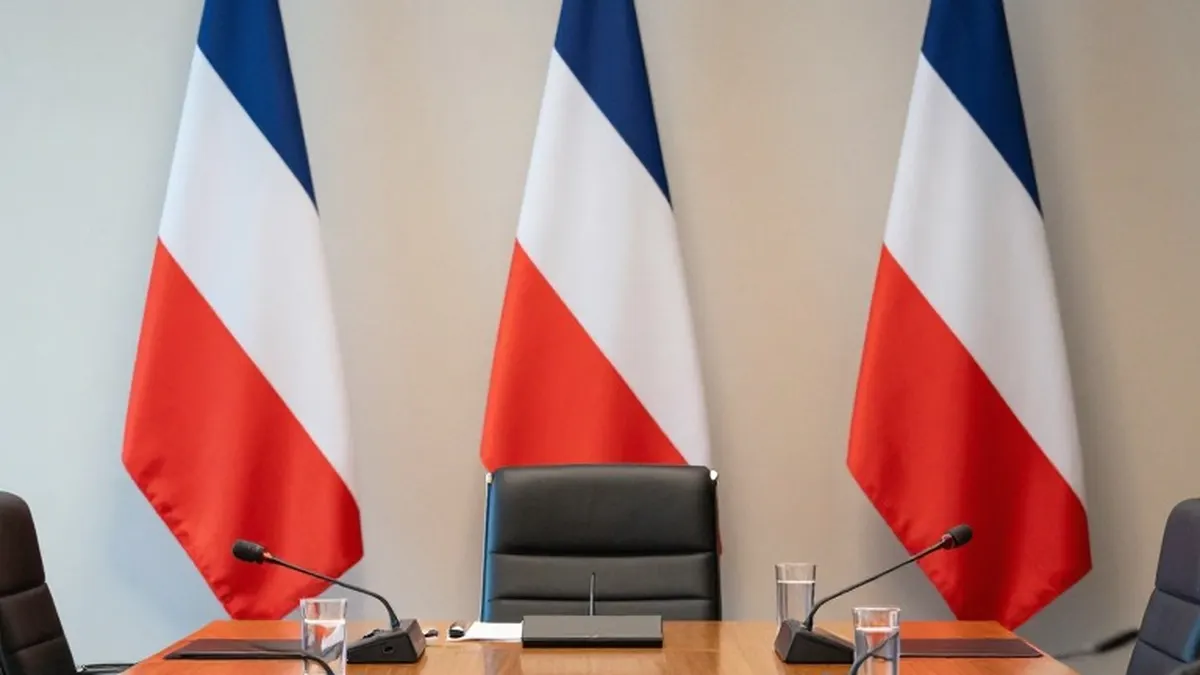
US President Donald Trump indicated on Thursday that reaching a mutual agreement to limit nuclear weapons with his Chinese and Russian counterparts would be a difficult process, though he intends to continue pursuing the goal. These remarks were made after he concluded a series of diplomatic talks with Chinese President Xi Jinping and Russian President Vladimir Putin.
Speaking by phone with Reuters while flying back to Washington from the trilateral summit in China, Trump expressed a personal appreciation for the idea of nuclear limitations. However, he described the actual negotiation process as a significant challenge for him in his role as president. He noted that while the concept is appealing, the practical aspects of the talks present complex obstacles.
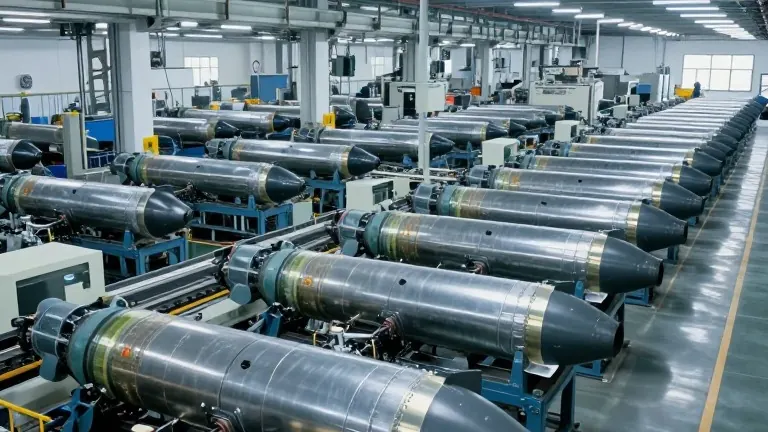
A primary objective of the trip was to initiate three-way discussions regarding nuclear armaments. This topic has historically been difficult for China to address, particularly as the country continues a substantial nuclear buildup aimed at closing the gap with the dominant arsenals of the United States and Russia.
Trump highlighted a specific point of contention during the negotiations. He stated that President Xi agreed with him on the general concept of limiting nuclear weapons. However, the president acknowledged the difficulty in asking a nation with a large stockpile to make significant concessions. He illustrated this by noting the psychological barrier for a country that possesses 4,000 nuclear weapons to agree to giving up half of them.
Despite the challenges, Trump said he would continue to raise the subject in future discussions. He emphasized that the reduction of nuclear stockpiles should be done, even if it is psychologically difficult for the involved nations to accept such measures.
In a related interview conducted ahead of his Wednesday meetings, Trump discussed the prospect of negotiating arms reductions with Fox News White House correspondent Jacqui Heinrich. During this conversation, he provided approximate figures for the current nuclear arsenals of the involved nations.
The president cited numbers suggesting that Russia holds approximately 3,800 weapons. He estimated that China possesses between 400 and 500 nuclear weapons. While providing these figures, he acknowledged the inherent difficulty in persuading nuclear powers to agree to reduce their existing stockpiles.
Trump used a hypothetical scenario to explain the negotiation dynamics. He stated that if a nation were told to reduce its nuclear force by 2,000 weapons, it would be a hard request to accept. He further remarked that, in his view, a country only needs about 10 weapons to achieve true power, underscoring the massive scale of the current arsenals.
Regarding verification methods, Trump expressed openness to the idea of inspections involving all three countries. When asked specifically if he would propose such inspections as part of the agreement, he responded that he thought it was a fine idea. This suggests a willingness to include third-party or multilateral oversight mechanisms in any future deal.
The summit in China marked a significant diplomatic effort to address global nuclear stability. While no immediate agreement was announced, the leaders agreed to keep the dialogue open, with Trump committed to returning to the table to work through the complex negotiations.