Blinken reveals warning to Netanyahu on losing young Republican support
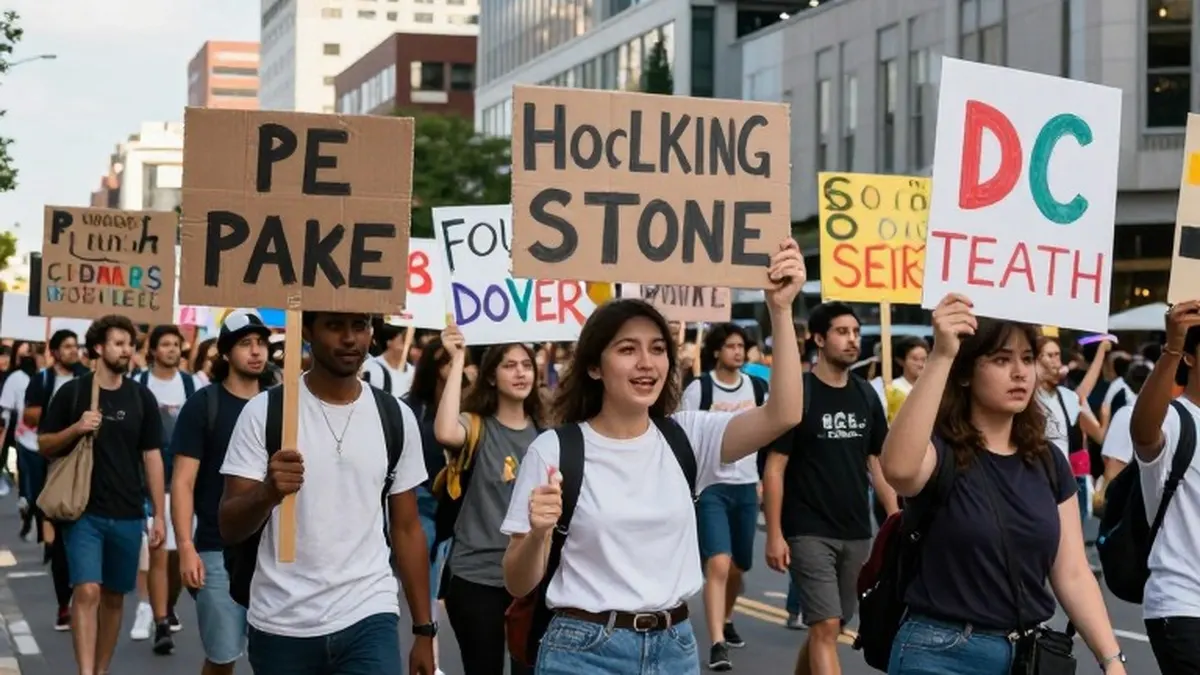
Former US Secretary of State Antony Blinken disclosed that he cautioned Prime Minister Benjamin Netanyahu about potential political losses among younger voters during the Gaza conflict.
By Amir Navarro ·
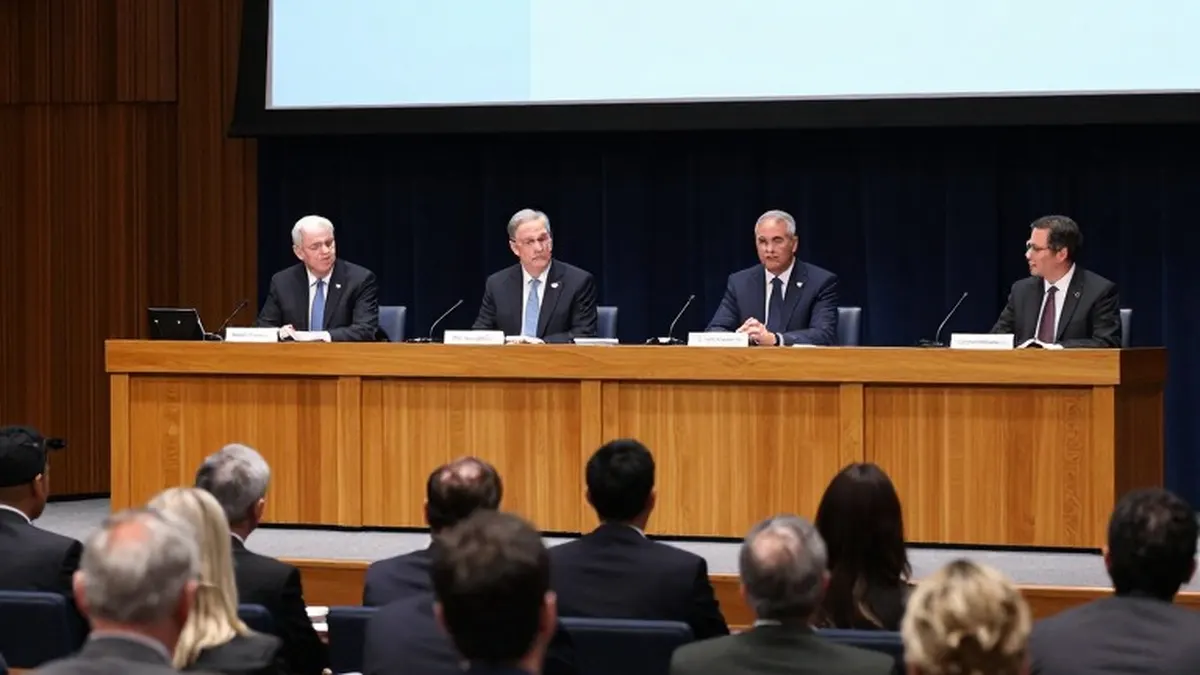
Former US Secretary of State Antony Blinken stated on Sunday that he warned Israeli Prime Minister Benjamin Netanyahu during the Gaza war about the risk of losing support from young Republicans and young evangelicals. This caution came alongside the existing challenges Israel faced within the Democratic Party. Blinken shared these remarks while speaking at the Jewish Federations of North America General Assembly in Washington.
The former diplomat recalled a specific conversation with Netanyahu in the spring of 2024 regarding the political fallout from the conflict. Blinken said he told the Prime Minister that the loss of the Democratic Party might be acceptable from Israel's perspective, but the erosion of support among younger right-wing voters was a significant concern.
Blinken appeared in a panel discussion alongside former Secretary of State Mike Pompeo, moderated by ABC News journalist Juju Chang. While both men defended the strategic value of the US-Israel alliance, they expressed differing views on several key issues, including Iran, Palestinian statehood, and Israel's response to international criticism regarding its conduct in Gaza.
Blinken noted that the public image of Israel has shifted significantly between generations. He described growing up with the perception of Israel as David facing a surrounding Goliath, whereas the current generation views that dynamic in reverse. He characterized this shift as a strategic challenge for Israeli leaders with implications for American politics and future bilateral arrangements.
Regarding military assistance, Blinken observed that Israel appears to understand that American funding is not infinite. He noted that the Israeli public is being prepared for the possibility of financing its own weapons purchases, although he maintained that the core value of the relationship would endure. The security assistance memorandum signed in 2016 covers fiscal years 2019 through 2028, providing a framework for $38 billion, which includes $3.3 billion annually in military financing and $500 million annually for missile defense.
Mike Pompeo emphasized the strength of institutional ties, particularly in intelligence cooperation. He described the relationships he experienced as CIA director and Secretary of State as deep and solid. Pompeo shared a personal example, stating that Israeli intelligence helped protect him from threats posed by Iran. He mentioned a one million dollar bounty on his head and joked that his wife, Susan, considered the amount low.
The two former secretaries disagreed sharply on how to confront Iran and secure shipping through the Strait of Hormuz. Pompeo expressed skepticism about reaching a negotiated settlement with Iran's current leadership. He advocated for increasing pressure, maintaining an economic blockade, and striking additional assets within Iran to reduce its threat to the region. Blinken warned that military action to secure shipping would require major escalation. He favored sustained economic pressure to bring Tehran to the negotiating table, suggesting that diplomatic resolution might require offering Iran sanctions relief.
On the conduct of the war in Gaza, Blinken acknowledged the brutality of Hamas's October 7 attack and the difficulty of fighting an enemy embedded among civilians. However, he criticized Israel's treatment of Palestinian civilians, stating that the country had done the bare minimum it believed necessary for those caught in the fighting. He described a degree of disregard for their well-being, distinguishing it from an intention to eliminate them. Pompeo defended Israel's conduct, urging supporters to explain the military challenges faced and warning against a growing moral equivalence between Israel and Hamas.
The pair also diverged on the role of Palestinian statehood in expanding the Abraham Accords. Blinken argued that bringing more Arab and Muslim countries into closer relations with Israel required a path toward resolving the Palestinian question. He called for a secure Israel alongside a sovereign, demilitarized Palestinian state. Pompeo countered that the accords allowed regional relationships to develop even while the conflict remained unresolved, arguing that additional peace arrangements should proceed.
The 2026 General Assembly opened Sunday in Washington and continues through Tuesday. The event brings together Jewish communal leaders, philanthropists, and professionals from North America, Israel, and beyond. Held following elections in both the United States and Israel, this year's gathering focuses on the US-Israel relationship, combating antisemitism, and supporting Israel's recovery after three years of war.