Rainfall in Gaza threatens power grids and healthcare infrastructure
Heavy rains in Gaza have damaged solar power systems and flooded healthcare facilities, exacerbating the territory's ongoing energy and medical crises.
By Vanessa Lopez ·
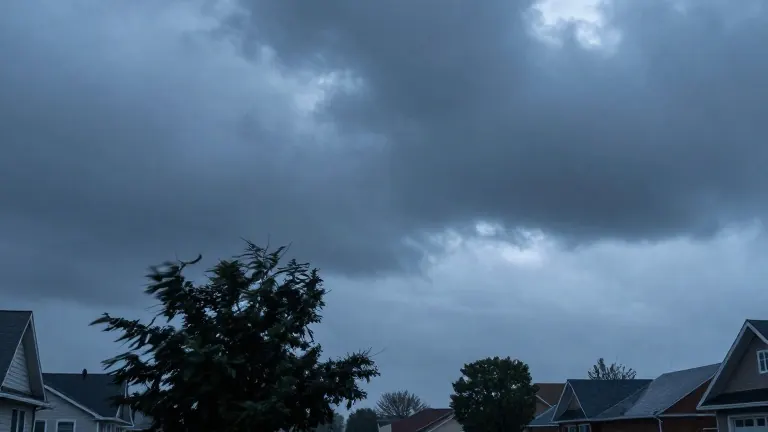
Heavy rainfall across the Gaza Strip has intensified the crisis for residents, exposing the fragility of the region's damaged power and healthcare systems. As winter approaches, the combination of inadequate housing and deteriorating infrastructure leaves many families vulnerable to the elements. The recent storms have not only flooded shelters but also disrupted the energy sources that displaced people rely on for basic daily needs.
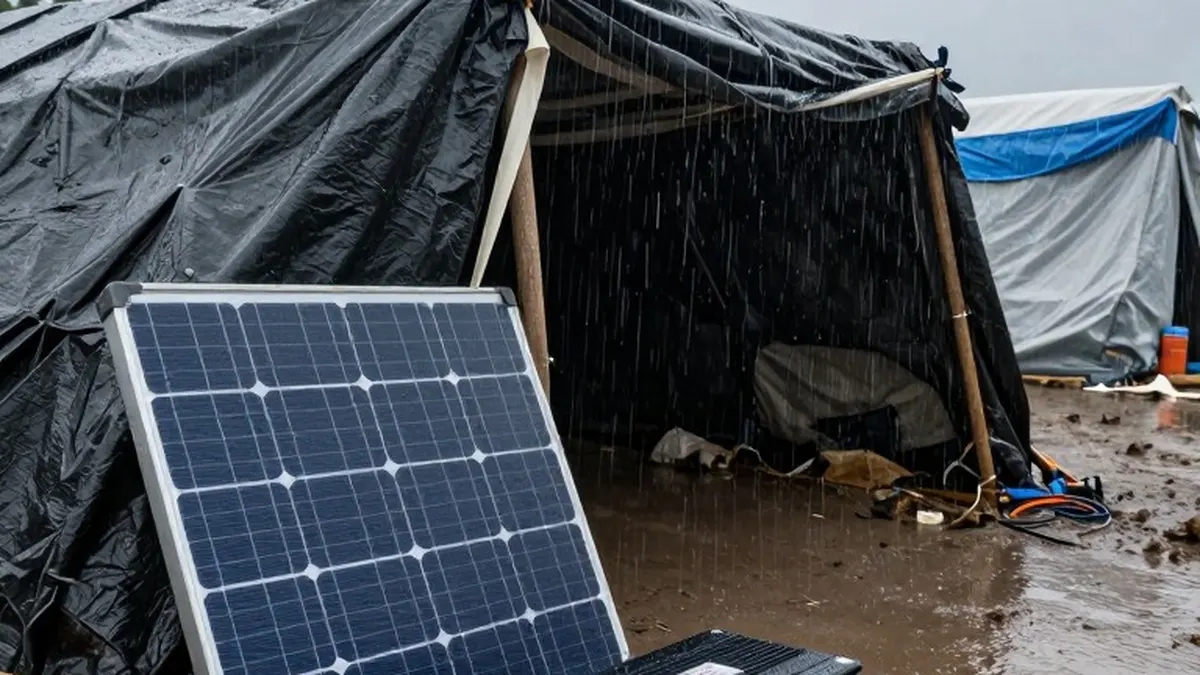
In the Bureij refugee camp, 65-year-old Abu Sajed described the struggle to keep his makeshift home dry. Living in a structure with stone walls and a tarpaulin roof east of Salah al-Din Street, he and his family were forced to move to chairs to avoid the rising water. Abu Sajed, who suffers from diabetes, lost his blood glucose monitor to the dampness, rendering it unusable in the dark. His family's solar power system, essential for lighting and charging devices, was also damaged by the intrusion of rainwater.
The impact of the weather extends to the neighboring tent of his daughter, where water soaked her belongings and destroyed the inverter connected to her solar setup. Abu Sajed noted that even simple tasks like using the toilet became difficult due to the flooding. The following morning, he slipped on the muddy floor and fell, requiring his wife and daughter to help him up because of his poor health. He described the experience as leaving him feeling helpless and exhausted.
In northern Gaza, Mohammed al-Hour operates a solar charging station inside a damaged building. While he provides a vital service for residents who need to charge their phones for light, the persistent rain and clouds hinder his operations. Al-Hour explained that water seeps through the cracked walls and ceiling of his room, making it difficult to maintain consistent power. He noted that the bombardment has destroyed most infrastructure, leaving residents in tents or houses equally exposed to water damage.
Utility providers are facing significant challenges in maintaining services. The Abu Zayed Electricity Company reported that despite preparations for winter, water entered several facilities, causing generators to malfunction. The company temporarily suspended services at affected branches to prevent electrical contact and short circuits. Aya Shaheen, the company's general manager, stated that while they covered distribution panels and insulated exposed wires, the extent of the infrastructure destruction exceeded their available resources.
Shaheen added that municipalities are under enormous pressure to address flooded tents, which limits their ability to respond to every assistance request. Even at sites where generators are housed in prefabricated structures, water has found its way in. Repairing the equipment and restoring services can take anywhere from hours to days, depending on the severity of the damage.
According to UNICEF, the recent rainfall has affected more than 106,000 people in Gaza. Approximately 950,000 displaced individuals live in flood-prone areas, with 400,000 located in particularly high-risk zones. A joint assessment by the World Bank, the United Nations, and the European Union estimated that 80 percent of electricity generation and distribution assets were destroyed or rendered inoperable during the war. This loss has severely limited access to reliable power, a problem compounded by solar generation declines on cloudy days.
Mohammed Abu Khaled, an engineer specializing in energy systems, warned that rainwater entering solar systems can damage batteries and inverters. He identified the inverter as the weakest component, noting that its sensitive circuit boards are often inadequately protected against water. Abu Khaled estimated that malfunctions in household and camp solar systems increased by 40 to 50 percent after the recent rains. Repairing a damaged inverter can cost between $200 and $500, while a damaged battery may require a full replacement.
The decline in solar efficiency is significant during overcast weather. Abu Khaled explained that electricity output from solar panels can drop by 60 to 80 percent on cloudy days. This reduction slows battery charging and decreases the number of hours households can rely on stored electricity. The financial burden of these repairs falls heavily on families already struggling with limited resources.
Healthcare facilities face similar risks as many are forced to operate from temporary structures that offer little protection from the weather. Abu Khaled noted that strong winds and heavy rain can cause water to seep into hospital departments. This exposes critical equipment, including operating-room devices, portable oxygen generators, and vital-signs monitors, to moisture and potential damage. Some equipment has already been affected by damp conditions, adding pressure to medical staff who are already managing with severely limited resources. As the weather continues, residents face another winter with little infrastructure to shield them and few means to replace damaged essentials.