Trump shifts focus from Iran to domestic corruption as Vance questions war strategy
The US President has instructed his Vice President to prioritize domestic issues over Iranian negotiations, creating a visible rift in the administration's approach to the ongoing conflict.
By Amir Navarro ·
US President Donald Trump announced early on Friday that he has instructed Vice President JD Vance to concentrate fully on addressing corruption and crime in Democratic-controlled cities and states. This directive came just hours before Iran claimed it had struck a US military early warning radar system located in Bahrain. By assigning this new domestic role to Vance, the President signaled a shift in priorities following the Republican Party's significant losses in the recent midterm elections.
Vance, who has served as the lead negotiator for Iran talks, is a known critic of the current military strategy. He has previously attributed the energy crisis and inflation in the United States to the strikes on Iran, arguing that these economic factors contributed to the party's defeat in Congress. Trump, however, stated on his Truth Social platform that a deal with Iran is no longer necessary, claiming that the US has already secured their money and control of the Strait of Hormuz.
The administration has shown signs of division since the midterm results. Secretary of State Marco Rubio has suggested that economic pressure on Iran is proving effective, making large-scale military operations less urgent. Meanwhile, Trump has sent mixed signals, moving from threats to destroy Iran to stating that further strikes are quite unlikely. This uncertainty has left allies and analysts questioning the future trajectory of the conflict.
Vance previously led negotiations in Islamabad in April, which resulted in a memorandum of understanding in June. That agreement collapsed quickly due to disagreements over the control of the Strait of Hormuz. He also engaged in direct talks in Switzerland and worked with Qatari and Pakistani mediators. Following the election losses, Vance publicly questioned whether the war had been worth the political and economic cost, a stance that analysts believe is an effort to distance himself from the President's declining approval ratings.
The relationship between the two men has shown moments of tension. In June, while attending the G7 summit in France, Trump joked that he would take the credit if the deal worked but blame Vance if it failed. Vance later told reporters he believed the President was joking. Now, with the Vice President focused on domestic issues, the diplomatic burden may shift further within the cabinet.
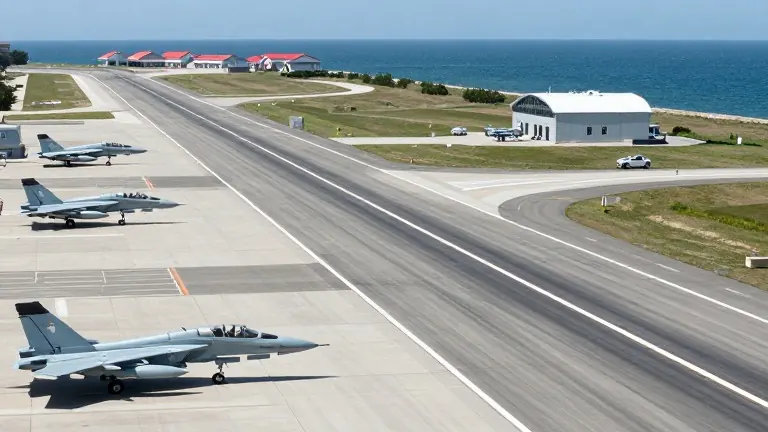
On the ground, the conflict continues to escalate. Iran stated on Friday that it destroyed a US radar in Bahrain in retaliation for an air attack on a telecommunications tower in the southern port city of Sirik. Trump noted that Middle Eastern allies, including Saudi Arabia, Qatar, and the United Arab Emirates, have asked him to hold off on renewed large-scale attacks. He admitted he would have launched further strikes without those requests but acknowledged that rising fuel prices hurt the Republican campaign.
Iranian officials maintain that the Strait of Hormuz will not return to its pre-war status. Parliament Speaker Mohammad Bagher Ghalibaf told Al Jazeera that the strait is governed by the laws of Iran and Oman, not international convention. Tehran has proposed a ceasefire with seven conditions, including the end of the US naval blockade and the lifting of sanctions. The US has previously refused to agree to these terms without a prior agreement on Iran's nuclear program.
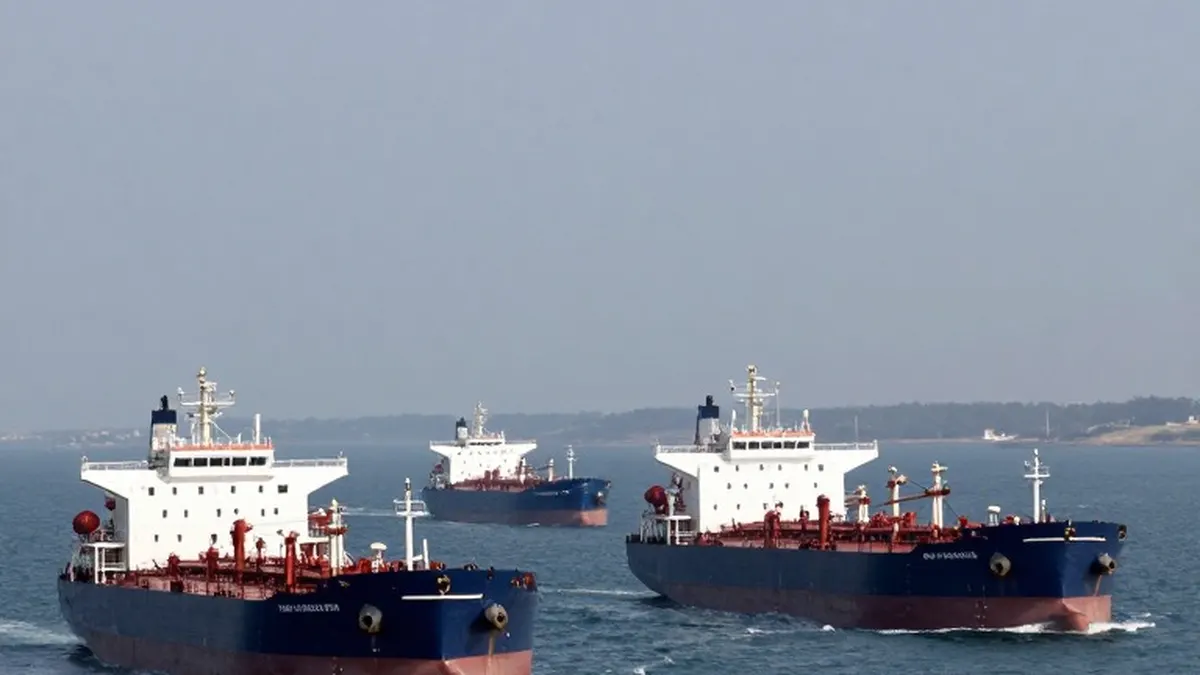
Maritime traffic remains a point of contention. Iran claims at least 12 tankers have been hit in the past two weeks, often citing an illegal southern route. The US military's Central Command reports that over 4,000 ships have crossed the waterway with their assistance, carrying billions of barrels of oil. Despite these figures, maritime agencies advise against travel through the strait, and insurance costs have risen sharply or coverage has been refused.
Experts describe the current situation as one of no war and no peace. Aniseh Bassiri Tabrizi of Chatham House noted that while major strikes are unlikely in the immediate future, the situation could shift significantly in the coming weeks. Gulf countries prefer the current stalemate to a renewed war but do not necessarily view it as a permanent normal.
As the US focuses on domestic political battles and Iran waits for a response to its diplomatic proposal, the conflict enters a period of fragile uncertainty. The sidelining of Vance in the Iran negotiations marks a distinct change in the US approach, leaving the path to a resolution unclear.