Votel: Economic Strangulation Hits Iran Harder Than New Strikes
The retired general argues that sanctions are degrading Tehran's capacity, but warns that U.S. missile defense stocks may run low before the conflict ends.
By Amir Navarro ·
Retired Army Gen. Joseph Votel stated that a new wave of U.S. and Israeli attacks on Iran will likely degrade military targets but will not end the war without a defined objective.
Votel, who led U.S. Central Command from 2016 to 2019, currently chairs the Combating Terrorism Center at West Point. He told NPR that many likely targets have already been hit, and Iran has demonstrated the ability to rebuild them. He described fresh strikes as a way to buy time and punish Tehran, noting that they have not yet altered the country's strategic calculus.
The general identified two primary goals for Washington: resolving the nuclear enrichment issue and reopening the Strait of Hormuz. He argued that a clear end state is required before military force, economic sanctions, diplomacy, and information campaigns can be effectively coordinated. Votel noted that U.S. aims have been difficult to interpret, but he linked the reopening of the strait to lower domestic gas and diesel prices.
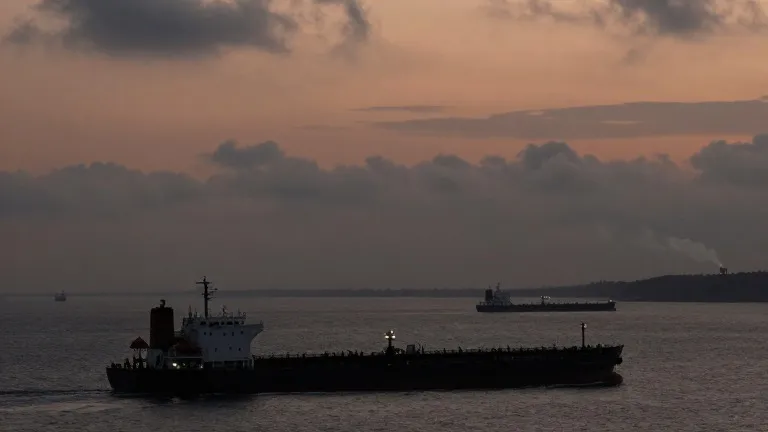
On the financial front, Votel cited the blockade and sanctions as the area with the most visible progress. He referenced reporting indicating that Iran's ghost fleet has run out of oil. He characterized this economic pressure as a slow but definite movement that adds to the overall squeeze on the Iranian government.
Votel also addressed the military readiness of U.S. forces in the region. He stated that American offensive power is substantial and the ability to strike is not in question. However, he identified missile defense as the potential constraint. He warned that defensive interceptors protecting U.S. forces and regional infrastructure face heavy pressure, suggesting that defense may become a limiting factor before the conflict concludes.
He added that Iran continues to use proxies to create regional instability, including links to the Houthis across the Arabian Peninsula. Despite these complications, Votel maintained that Hormuz and enrichment remain the principal worries for U.S. policymakers.
Source: NPR