US reports record deportations and immigration arrests in fiscal 2026
The Department of Homeland Security says ICE carried out more than 483,000 deportations in fiscal 2026, the highest total in the agency's history, as President Trump's crackdown faces growing political backlash.
By Marina Weber ·
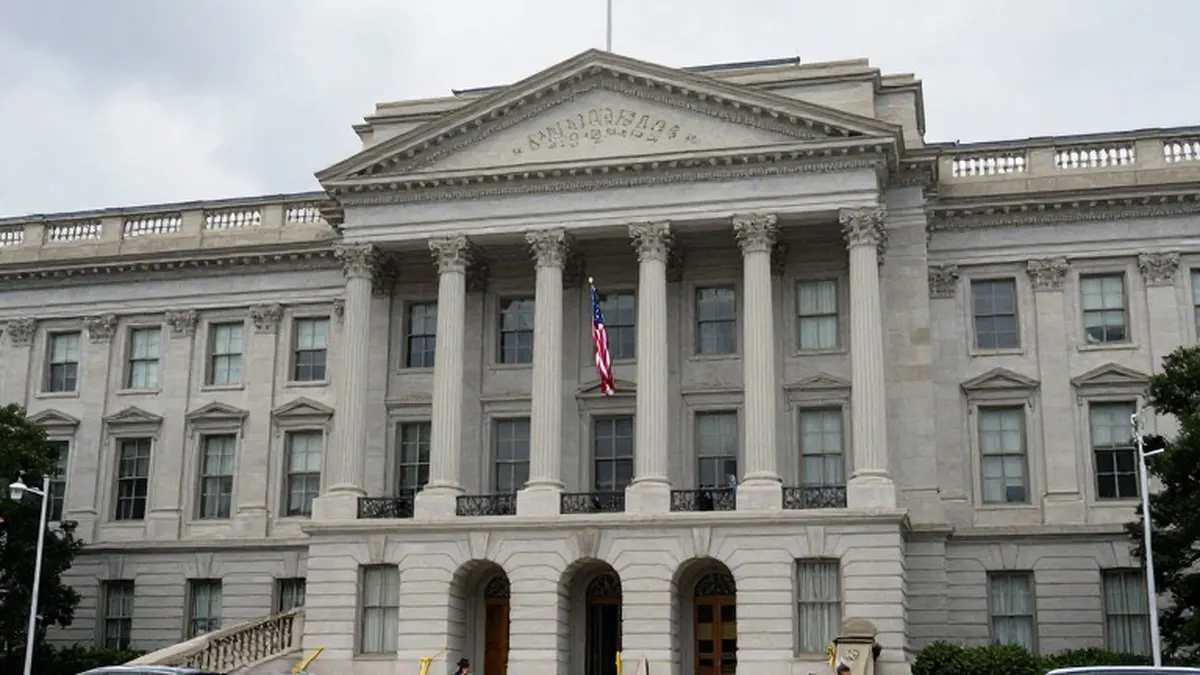
The United States government has reported a historic high in deportations and immigration arrests for fiscal year 2026, surpassing all previous records. The Department of Homeland Security announced on Wednesday that Immigration and Customs Enforcement carried out 483,200 deportations and more than 491,000 immigration arrests during the year.
The deportation total is the largest in ICE's 23-year history, exceeding the previous record of 442,640 deportations set in 2025. "Fiscal Year 2026 saw the highest number of ICE deportations and arrests for any year in ICE's history. September 2026 was the best September in ICE's history in terms of arrests," Homeland Security Secretary Markwayne Mullin said in a statement.
ICE said it made more than 48,000 arrests in September, closing out a two-month stretch of record highs that peaked at 50,925 arrests in August.
Steven Camarota, director of research for the Washington, DC-based Center for Immigration Studies, told Al Jazeera there is no question the administration has increased enforcement more than any prior president. He added that there is evidence the illegal immigrant population has declined significantly because of increased out-migration driven by a fear of enforcement.
Camarota cautioned, however, that the data is always incomplete and difficult to measure. He said he had not been able to determine what share of the figures involved interior enforcement and removals from inside the country, and what share were people turned around at the border or at airports. "Increased removals, sometimes called deportation, certainly can encourage more people to go home, and clearly that is a central goal of this administration," he said.
The report came days after President Donald Trump acknowledged that his administration's immigration crackdown may have been too tough. "A lot of people would say it is great but a lot of people would think it is too tough," Trump said in a recent interview with CBS's 60 Minutes. He defended his record nonetheless, saying he gets very high marks for getting "the bad ones out" but is hurt because people with good jobs were also removed over the single violation of entering the country illegally.
The crackdown has become a political vulnerability for Trump. His approval rating on immigration has fallen to 38 percent, down from 50 percent at the start of his presidency, according to Reuters/Ipsos polling.
Democrats appear to be preparing to rein in the crackdown when they take control of Congress next year, with plans to target ICE tactics and expand paths to legal status, despite limits on how much they can achieve. "We will investigate the administration weaponising DHS against Americans (and) its out of control immigration policies," Bennie Thompson, a Mississippi Democrat and the incoming chair of the House Homeland Security Committee, told Reuters in a statement.
At a news conference in the US Capitol with House members and newly elected representatives from southwestern border states, centrist Texas Democrat Henry Cuellar said he had already spoken with Trump officials about focusing deportation efforts on criminals. "We're not going to be extreme," Cuellar said, nodding to conservative voters who backed Democrats.
Other Democratic voices struck a harder line. "We will rip ICE apart," Senator-elect Peggy Flanagan said while celebrating her victory in Minnesota, where federal immigration agents shot dead two people during an enforcement surge in January. The two US citizens, Alex Pretti and Renee Nicole Good, were killed in Minneapolis in incidents captured on bystander video. Their deaths went viral and prompted international outrage, while other footage showed masked agents deploying chemical agents and beating civilians who were documenting their activities or protesting, activities protected under the US Constitution.