U.S. Envoys Meet Putin Ahead of Planned Ukraine Peace Talks in Dublin
Jared Kushner and Steve Witkoff briefed Russia’s president after talks in Abu Dhabi produced no breakthrough but yielded an agreement in principle on a prisoner exchange.
By Ananya Gupta ·
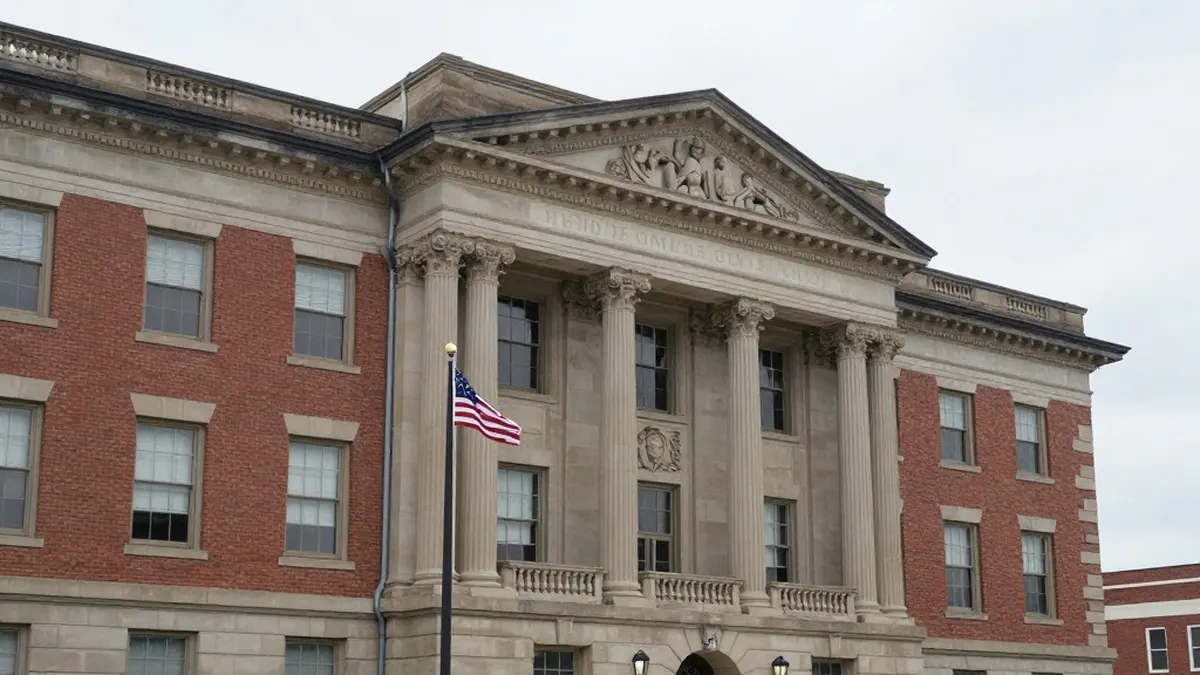
U.S. envoys Jared Kushner and Steve Witkoff met Russian President Vladimir Putin at the Kremlin on Thursday, November 12, as the Trump administration pursued an agreement to end the war in Ukraine. The pair were expected to continue to Dublin later Thursday for discussions with Ukrainian President Volodymyr Zelenskyy.
Their visit followed two days of U.S.-mediated negotiations in Abu Dhabi that concluded Wednesday without a breakthrough. Kushner, President Donald Trump’s son-in-law, and Witkoff helped arrange the first direct talks between Russian and Ukrainian representatives in nine months. The sides agreed in principle to a large prisoner-of-war exchange, though the numbers had not been announced.
The envoys went to Moscow to brief Putin on those discussions. Kushner said they also wanted his approval for European representatives to take part in talks on wider security arrangements for the continent. Washington and Zelenskyy favor European countries choosing one representative to negotiate with Moscow.
Russia has resisted European involvement in direct negotiations, citing the financial and military support European countries provide to Ukraine. European governments have expressed concerns about Russian behavior and its wider ambitions. Many Europeans also regard giving Moscow a role in shaping postwar security as an unwelcome concession to Putin.
Putin has identified NATO’s expansion eastward as a central threat to Russian security and demanded the removal of alliance troops from Russia’s borders. He reiterated that European forces deployed in Ukraine would be viewed by Moscow as both a security threat and legitimate targets. He also described the line of control as Russia’s border with Ukraine, reflecting Moscow’s claim to four Ukrainian regions it annexed in 2022 without ever capturing them completely.
In Dublin, Zelenskyy attended a gathering involving more than 40 European countries and NATO Secretary-General Mark Rutte. With Russia’s full-scale invasion approaching its fifth anniversary, Rutte said the United States, Europe and Ukraine were closely aligned on security guarantees following a January meeting in Paris. A peace agreement, or at least a ceasefire, was now needed, he said.
Speaking in Dublin late Wednesday, Zelenskyy suggested that political developments could open an opportunity for a deal. He pointed to Democrats taking control of Congress in January after the midterm elections, along with elections in France next year, as changes that could affect the diplomatic landscape.
Zelenskyy welcomed the proposed prisoner exchange as progress. However, he maintained that Ukraine would not give up territory occupied by Russia as the price of a peace agreement.
Military operations continued alongside the diplomacy. Russia’s Defense Ministry said its air defenses intercepted 71 Ukrainian drones overnight. The ministry also reported strikes on a drone manufacturing plant in Kyiv and three other facilities making missile fuel and drone components.
Ukraine’s air force said Russia launched 123 drones, including 73 powered by jet engines. It reported that the attack hit 17 locations.