UN nuclear agency urges Iran to restore inspectors’ access to facilities
The IAEA says gaps in its knowledge of Iran’s nuclear sites and material require urgent action as Tehran cites security threats for restricting inspections.
By Vanessa Lopez ·
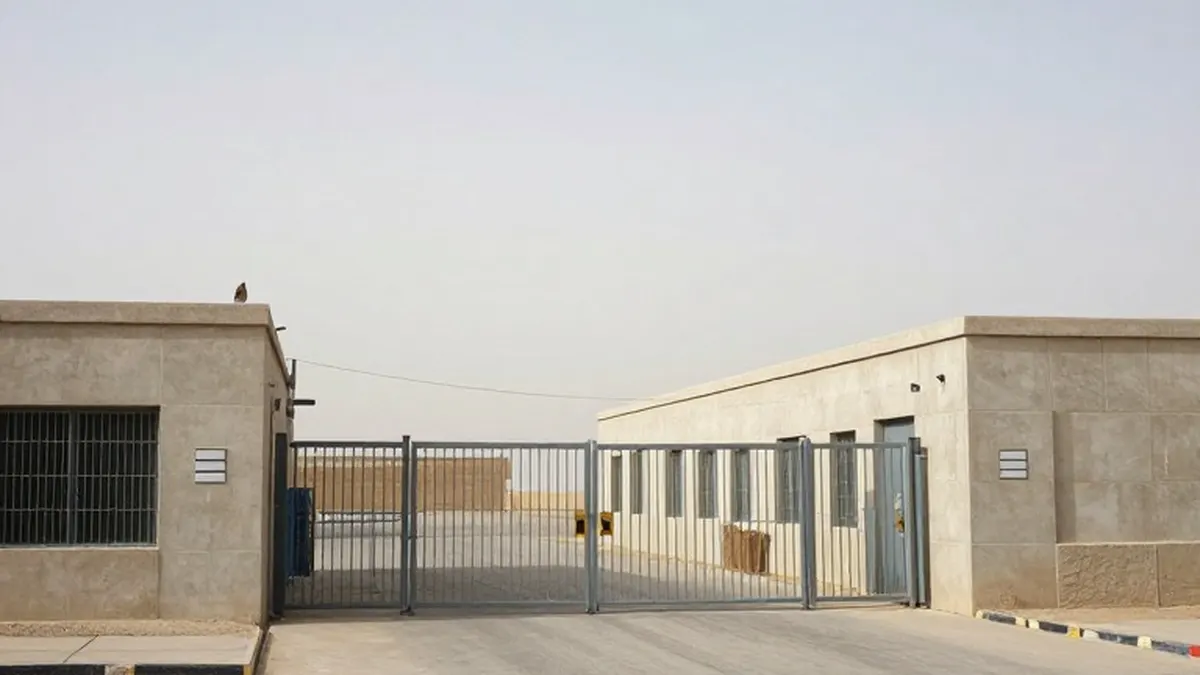
The United Nations nuclear watchdog has called on Iran to reopen its nuclear facilities to inspectors, saying access is necessary for it to monitor the country’s nuclear programme. The International Atomic Energy Agency circulated the appeal in a report to member states on Friday, November 13.
Iran has permitted very few inspections since the United States and Israel attacked its nuclear facilities in June 2025. According to the report, Tehran told the agency that the security situation prevented inspections from continuing. The IAEA withdrew its inspectors over safety concerns after the attacks, and Iran subsequently enacted legislation suspending cooperation with the watchdog.
The agency warned that missing information about nuclear facilities and material in Iran raises proliferation concerns requiring urgent attention, The Associated Press reported. It also said it was ready to restart its safeguards work at short notice. Since last year’s bombing, inspectors have been unable to verify the condition of Iran’s stockpile of near-weapons-grade uranium.
An underground enrichment facility near Isfahan, in central Iran, was a particular focus of the report, according to Reuters. Iran declared the Isfahan Fuel Enrichment Plant in 2025 but has yet to let IAEA inspectors visit. The agency does not know its exact location, whether nuclear material is present or its status under international monitoring rules. The report did not establish that the plant is enriching uranium.
IAEA Director General Rafael Grossi called on Tehran to consider limited technical steps that could enable inspectors to visit and support a return to routine monitoring, AFP reported. The inspections are designed to check that nuclear material is not being redirected towards weapons. Without access, the watchdog cannot independently determine what is happening at facilities such as Isfahan.
Speaking at a news conference in Tehran on Monday, Iranian Foreign Ministry spokesperson Esmaeil Baghaei said the country remained committed to the Nuclear Non-Proliferation Treaty, which aims to stop the spread of nuclear weapons. He attributed the restrictions on cooperation with the IAEA to the US and Israeli attacks.
The report also described a message Iran sent to the agency this month saying talks about restarting inspections could not resume while the US president continued making explicit public threats of further armed attacks. Tehran said resolving the dispute depended on addressing the causes of the current situation and restoring the conditions necessary for normal safeguards work.