UN Nuclear Watchdog Voices Growing Alarm Over Uninspected Iranian Enrichment Plant
The International Atomic Energy Agency says it cannot verify the location, status or contents of an underground uranium enrichment facility at Isfahan that Iran declared last year but has refused to open to inspectors.
By Vanessa Lopez ·
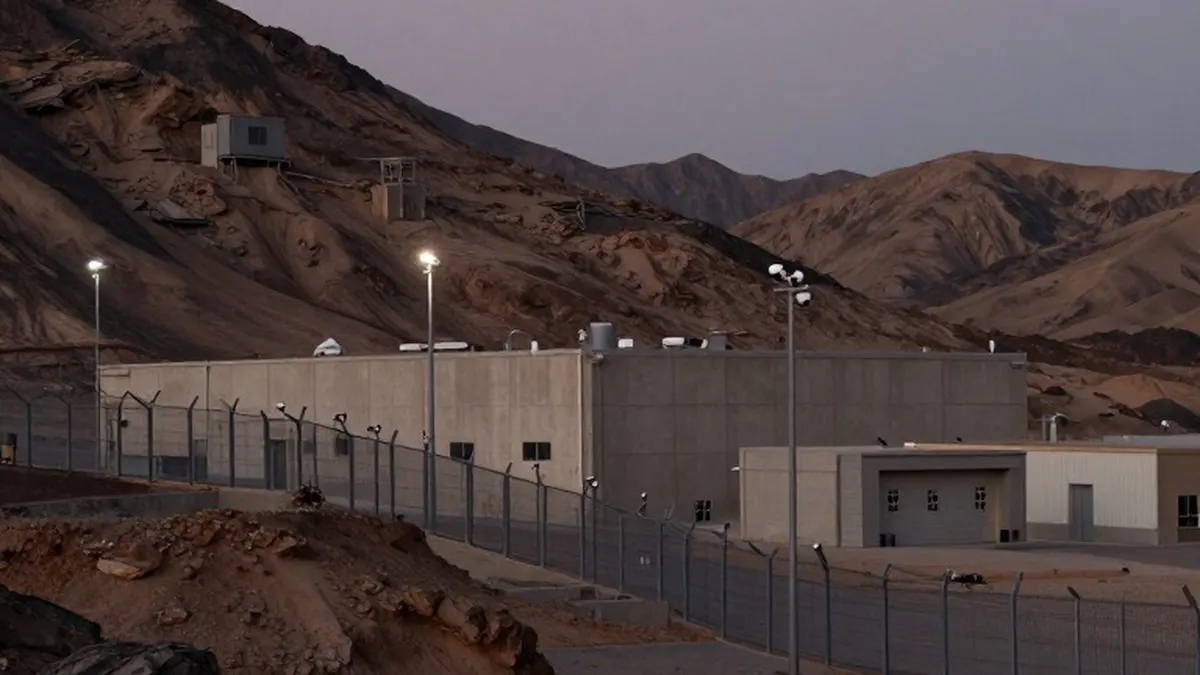
The United Nations nuclear watchdog said it is increasingly concerned about an underground uranium enrichment plant at Isfahan that Iran declared last year but has not allowed inspectors to visit, according to a confidential report on Iran seen by Reuters on Friday.
In the quarterly report to member states, the International Atomic Energy Agency referred to the site as the Isfahan Fuel Enrichment Plant, or IFEP. "The Agency does not know IFEP's exact location, status for safeguards purposes, or whether it contains nuclear material," the report said.
The warning comes against a backdrop of continuing tension over Iran's nuclear activities. A senior Iranian official told Reuters in September that Tehran would show no flexibility over its nuclear program even if the United States accepted its proposal to reopen the Strait of Hormuz, a plan that calls for steps including the lifting of a US naval blockade on Iranian ports.
The official, who spoke on condition of anonymity, said the strategic waterway would remain closed until Washington meets "all of Iran's conditions."
Iran is also debating whether to maintain its longstanding ban on nuclear weapons should hostilities resume, although no decision on any change has been made, Mohsen Rezaei, secretary of the regime's Supreme National Security Council, told state television on October 31.
"We seriously follow diplomacy but will not abandon the rights of the Iranian people," Rezaei said. He added that the nuclear issue could only be discussed once the United States meets Iran's demands, and that Tehran's nuclear rights under the nuclear non-proliferation treaty should be respected if negotiations take place at later stages.
At the same time, there have been signs of movement in diplomacy. The New York Times reported on November 5 that Iran is reviewing "concrete proposals" from mediators on the future of its nuclear program amid talks with the United States in Doha, Qatar.
The newspaper cited five officials briefed on the talks, including an American and two Iranians, and noted that the disclosure suggests some progress in negotiations with Washington. The officials, who spoke on condition of anonymity, did not provide details about the substance of the proposals.